
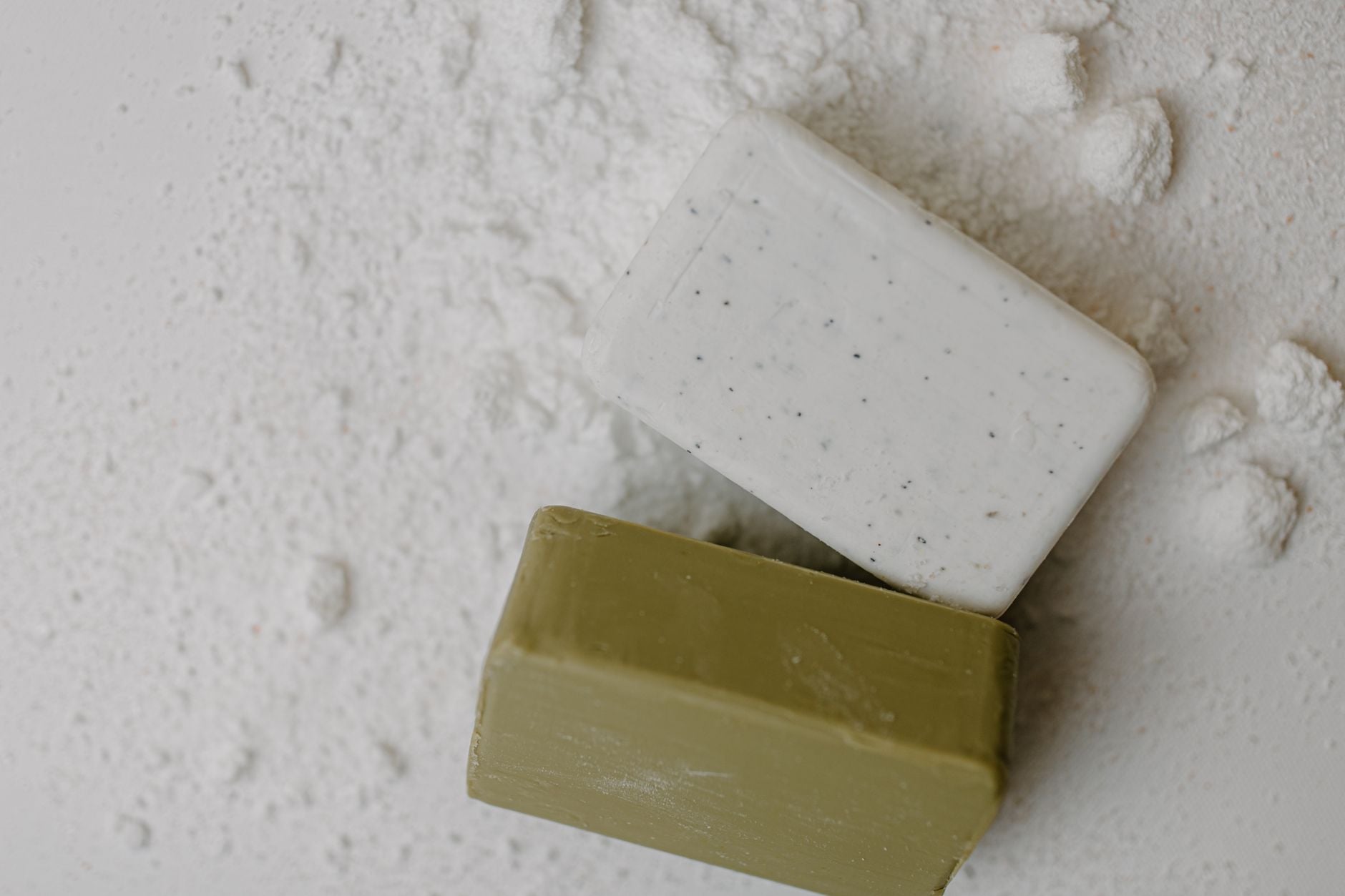
The most quoted purity claim in American advertising history started with a worker who walked away from his job to eat lunch. Sometime in 1879, inside Procter & Gamble’s Cincinnati factory, a soap-mixing machine kept churning while its operator stepped out. Air whipped into the batch. The bars were poured, cooled, cut, and shipped before anyone noticed they were lighter than usual — light enough, in fact, to bob in a customer’s washbasin instead of sinking to the bottom like every other bar of soap on the market.
Then the letters started arriving. Customers wanted more of the floating soap. Not fewer defects — more defects. Harley Procter, son of co-founder William Procter, read the mail and understood what most factory owners would have missed. The mistake was the product.
The accident that became the asset
Procter ordered the factory to keep aerating every batch. The floating bar became Ivory’s signature, and within a few years he had paired it with a slogan that would outlive almost every advertising line of the 19th century: 99 and 44/100 percent pure. It floats.
The purity figure came from a chemist Procter hired to analyze the soap against the era’s castile standard. The lab found small amounts of uncombined alkali, carbonates, and mineral matter — roughly 56/100 of one percent of impurities. Procter could have rounded to something simpler, like saying the soap was more than 99% pure. He did the opposite. He kept the fraction.
That decision is the part marketers still study, even if they don’t know they’re studying it. A round number sounds like a claim. A jagged, specific number sounds like a measurement.
Why the fraction did the work
Behavioral economists have a name for what Procter stumbled into. The anchoring effect describes how the first number a person encounters quietly sets the frame for every judgment that follows. A consumer who reads “99 and 44/100 percent pure” isn’t comparing Ivory to a perfect soap. They’re comparing it to the 56/100 of a percent that isn’t pure — a sliver so small it sounds almost apologetic.
Round numbers invite suspicion. 100% pure reads as a boast. 99% pure reads as marketing. “99 and 44/100 percent pure” reads as a chemist’s report someone accidentally let into the ad department. The precision implies a process. The process implies honesty. The honesty implies everything else.
Procter understood, decades before consumer psychology existed as a discipline, that specificity is the texture of trust.
The letters mattered more than the lab
Here is the part that gets skipped in the legend. The floating soap wasn’t a marketing decision first. It was a customer-behavior decision. Procter didn’t tell the public the soap floated and hope they cared. The public told him, in unsolicited letters, that they cared — and he listened.
Bathtubs in the 1870s were often filled from buckets and emptied by hand. Soap that sank to the bottom of a murky tub had to be fished out. A bar that floated solved a small but real domestic problem nobody had thought to name. The complaints-that-weren’t-really-complaints were a market signal arriving through the wrong channel, and Procter had the rare instinct to read it as data instead of noise.
That instinct — treating customer behavior as the brief, not the campaign — shows up again and again in the founding stories of brands that lasted. Pierre Omidyar’s first eBay sale was a broken laser pointer to a collector. The product wasn’t what the founder thought it was. The customers explained it.
Purity as a story, not a chemistry result
Ivory was running full-page ads showing the soap floating in a basin, the fraction printed in serif type beneath. The campaign worked because it bundled three claims into one image: the bar is clean, the company measured it, and the company will tell you exactly how clean.
Research on brand authenticity in consumer behavior finds that consumers gauge a brand’s genuineness through heritage, consistency, originality, and transparency. Ivory had all four built into a single sentence. The heritage was the Cincinnati factory. The consistency was the unchanging slogan. The originality was the floating bar. The transparency was the fraction.
Procter also did something almost no advertiser of his era did: he named the impurity. He didn’t pretend the soap was perfect. He told you what percentage of it wasn’t. That admission, tiny as it was, made the rest of the claim believable in a way a simple claim of pure soap never could be.
What the story gets wrong, and what it gets right
Like most founding myths, the lunch-break version has been polished over time. The air-whipping process may have been deliberate rather than accidental, with the worker-at-lunch detail sanded onto the story later because it made better copy. The chemist’s report is real. The slogan is real. The floating soap is real. The lunch break is probably folklore.
But the folklore is doing work the facts couldn’t do alone. A company that claims to have engineered a floating soap sounds like every other company. A company that tells a story about a worker who walked off, a machine that kept running, and customers who loved the mistake sounds like a company that listens. The story flatters the consumer. It says: you helped us figure out what we were selling.
That’s the deeper lesson buried in the Ivory legend. Brands that survive a century rarely do so by being right the first time. They survive by being honest about what they didn’t plan. Tweak Your Biz has explored this same pattern in how Estée Lauder’s accidental perfume spill became the lever for European distribution — another origin story where the official version sands the edges off a calculated move.
The lesson modern marketers keep relearning
A century and a half later, the Ivory playbook still describes the texture of trustworthy claims. Specificity beats superlatives. A measured flaw beats a polished boast. Customer feedback, treated as a product brief instead of a complaint queue, can turn a manufacturing error into a category-defining feature.
Consumer research firms continue to track the brands Americans rate as most trustworthy, and the 2026 America’s Most Trusted results from Lifestory Research show the same pattern Procter exploited in 1881 — trust accrues to brands that feel measurable, consistent, and honest about their edges. The categories change. The mechanism doesn’t.
Modern PR practitioners describe the same principle in how brands rebuild trust after a crisis: authenticity followed by reinforcing actions reshapes a story more effectively than any polished apology. Procter was running the pre-crisis version of the same move. He told customers the truth about the 56/100 of a percent so they’d believe him about the 99 and 44/100.
And there is a quieter point underneath all this — one that applies to anyone who has watched a small detail change how they’re perceived. The fraction Procter chose to print wasn’t just chemistry. It was character. It said the company would rather tell you a strange-sounding truth than a smooth-sounding lie. That is a marketing instinct most companies still don’t have, and it is the reason Ivory soap remains a recognizable brand.
The machine ran through lunch. The bars floated. The letters came in. And a man named Harley Procter, sitting in an office above the factory floor, did the one thing most founders never manage — he believed his customers before he believed his plan.
