
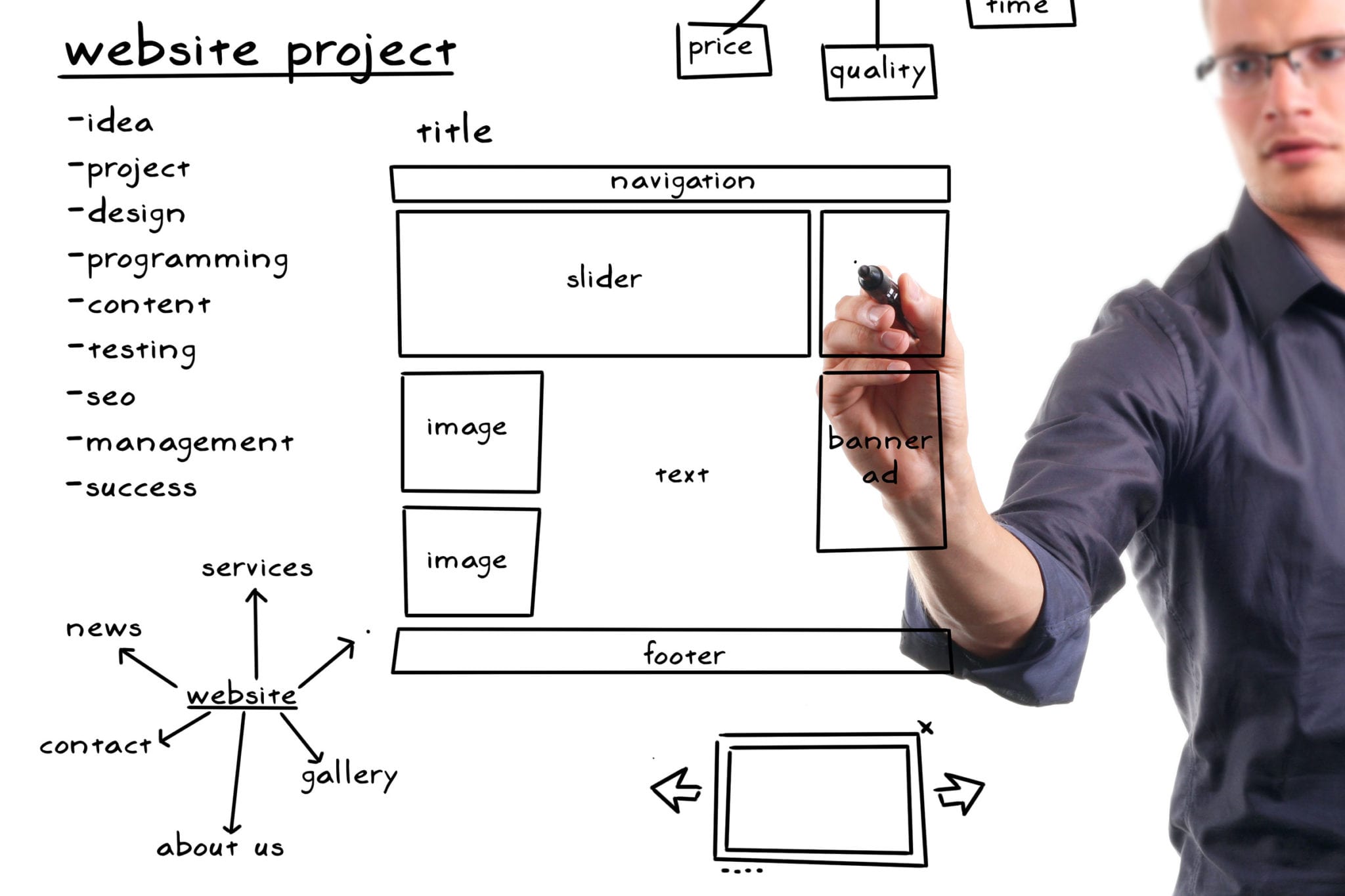
When creating a website, the design needs to be an integral part of the plan. Nobody can just make an HTML line and call it a website right? Standards are way higher than that today.
However, tackling the process of designing the website is extremely hard. For one, it needs to have the correct shapes, colors, theme, size and etc.
Not to mention, the design needs to be as user-friendly as possible. Incorporating all of this into 1 finished product can be extremely hard. However, the hardest part of the whole process is choosing a theme.
What theme?
Themes are usually chosen according to the product the website will promote or sell. For example, if a tech company creates a website, they will most likely center the theme around technology. Maybe have some moving coding lines on the background, or have a robotic feel to it. Unfortunately, making such an elaborate theme is costly and time-consuming. Furthermore, we can easily see dozens of examples of tech companies just ignoring the theme aspect completely and just choosing a simple color palette. All of this begs the question, is thematic design even worth it?
What does a thematic design achieve?
Thematic designs are usually utilized on websites that don’t bother with brand recognition. For example, a small blog that doesn’t really care if their brand is popular. The design is used in order to make the visitor realize that the website they are on is about a specific topic, for example, tech, botany, food and etc. A large company like Samsung or Apple doesn’t need the thematic design, as 100% of their visitors know what type of website they are on.
The recognition of the specific industry is a strong point of the thematic design, however, it has a massive drawback. Pretty much every single design made to accommodate a theme uses elaborate animations and artwork. All of this may sound cool on the paper, but in the grand scheme of things, it does nothing but confuse the visitor and ruin their experience.
The thematic design also has nothing to do with sales or the constant maintenance of sales that is. Sure a well-designed website may impress a visitor for the first time, but that’s it, that same visitor will not get the same impression anymore. Whilst there are thousands if not millions of websites with a simple design, that manage to make an impression at the start while maintaining a steady flow of sales in the future. The only difference is that those simply designed websites spent far less money than the thematically designed ones. Which one is the winner? I’ll leave that for the reader to decide.
Worse SEO value
As mentioned in the above paragraph, Thematic themed websites tend to use an excessive amount of animations and applications on their platforms. This may be a very entertaining thing to watch, but as already mentioned, it doesn’t do too much with sales.
In fact, it can directly damage sales if not maintained on a manageable level. You may not know this but, the speed at which a website loads directly impacts the SEO value. The faster it loads, the more likely it is to be ranked higher.
The animations tamper with the loading speed, as the server needs to process much more content and deliver it to the user in a fast and efficient manner. The less content and code there is to process, the faster the server can “serve” the visitor.
Furthermore, the adaptation of these animations onto a mobile device, be it a Smartphone or a tablet, it quite hard. They simply don’t look as good. This also damages
Overall, the thematic web design can potentially harm your
No recycling capabilities
If a blogger decides to have a thematic design on their website, he or she might find him or herself at a massive disadvantage when it comes to recycling. Most bloggers operate more than 1 website at all times. Having 1 simple design that can be copied onto other websites is first of all more convenient, and second of all, way cheaper.
A thematic design is exclusive to a particular website, therefore it can’t be copied or posted anywhere else, which in the end forces the website owner to a) make a new design, or b) opt for a simpler one.
Changing trends
Although Thematic designs are hand-crafted and original, they still follow the trend pattern of the times they were made in. For example, a graphic designer would make a completely different design of the same product today, then what he would’ve made 2 years ago.
This creates another inconvenience as website owners become forced to constantly update their designs to accommodate new trends. If they neglect to do so, they risk being labeled as “old-timey” or irrelevant.
This is not imagination or exaggeration by me as well. Imagine you visit 2 different websites. One has hard edges on its features, while the other one has them rounded. This immediately triggers a sense of quality. The older a website looks, the more neglected it will seem to the visitor, who will promptly leave.
The bottom line
In conclusion, if the website is large its harder to re-design it if it is small, then it will be a larger hit to its budget. Going for a thematic design is not the best idea unless a website owner is ready for constant updates. Furthermore, depending on the type of website, the design needs to support conversion rates, which most designs don’t do.
Overall, a simple design is usually more than enough to support a website, whilst the thematic design is a tool to help it stand out, but there are other methods like
- 8 Most Important Content Marketing Rules for Startups
- How to Use SEO Solutions to Create a Profitable Digital Business Model
- How an Entrepreneur Can Build a Successful Brand Using Organic Content
- 8 Genuine Ways To Keep In Touch On Social Media
- Want To 10x Your YouTube Subscribers? Here Are 6 Ways To Do It
- The Good The Bad And The Truly Ugly Of Web Design
