
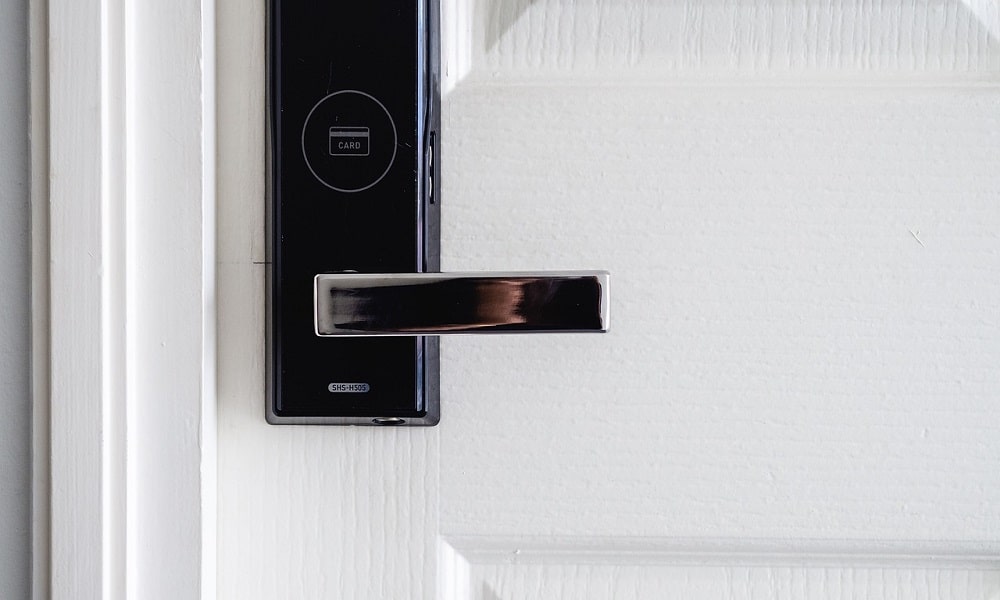
Digital door lock systems have quickly become a preferred choice for both residential and commercial spaces. Their convenience, modern features, and enhanced security make them an attractive upgrade over traditional mechanical locks. From homeowners to business owners, many are embracing new solutions such as smart locks for glass doors, which combine style and advanced functionality. As digital access grows in popularity, it is important to understand the real advantages these systems provide.
Enhanced Security and Reliability
The most obvious benefit of digital door locks is their ability to offer better protection against unauthorized entry. Unlike standard keys, which can be duplicated or lost, digital locks use PIN codes, biometric scans, or RFID cards. These options reduce the risks associated with misplaced keys or lock picking. Many systems also include anti-tamper alarms, ensuring that any attempt to force entry is immediately detected.
In addition to strong locking mechanisms, digital systems can be programmed to limit access. For instance, businesses can restrict entry for employees outside of working hours, while homeowners can set temporary codes for guests or service providers. This level of control adds an extra layer of security that is difficult to achieve with mechanical locks. Modern locks can also send real-time alerts to smartphones when unusual activity is detected. Some systems allow owners to disable access instantly if a breach is suspected. With these features combined, digital locks create a security framework that adapts to both personal and professional needs.
Convenience and Keyless Entry
Carrying a bulky keychain can be inconvenient, and forgetting keys often leads to costly lockouts. Digital door lock systems eliminate this issue by providing keyless entry options. Users can unlock their doors with a simple PIN, smartphone app, or fingerprint scan. This not only saves time but also makes daily life more efficient.
Keyless systems also make it easier to manage access for multiple people. Families can assign individual codes to members, while businesses can issue unique access credentials for employees. If codes need to be changed, it takes only seconds, avoiding the need for new keys or lock replacements.
Integration with Smart Home and Office Systems
Digital locks are not just standalone devices. Many models integrate seamlessly with broader smart home and office systems. By connecting locks to Wi-Fi or Bluetooth, users can control access remotely, monitor entry logs, and receive notifications. This makes it possible to grant entry even when away from the property, such as letting a guest or delivery service inside.
Integration with other systems also enhances security. For example, locks can be linked with surveillance cameras, alarms, or motion sensors to provide a complete access control solution. This level of automation creates peace of mind and adds modern convenience to everyday security.
Durability and Modern Design
Another reason digital locks are gaining popularity is their durability and sleek appearance. Built with high-quality materials, they are designed to withstand frequent use and harsh conditions. Many models are resistant to dust, moisture, and even tampering attempts, ensuring reliable performance over time.
The aesthetic appeal is also notable. With slim profiles and modern finishes, digital door locks complement both contemporary homes and professional office environments. Options such as glass door smart locks maintain elegance without compromising safety, making them ideal for businesses that want to balance design and security.
User-Friendly Features
Digital door lock systems are built with usability in mind. Some of the most popular features include:
- Multiple access options – fingerprint, PIN code, card, or smartphone app.
- Audit trail logs – keep track of who entered and at what time.
- Auto-locking functions – ensure doors are never left unlocked accidentally.
- Temporary codes – perfect for visitors, short-term rentals, or contractors.
- Emergency power backup – allows entry even if the battery runs out.
These features make digital locks practical for everyday use while giving property owners more control over access.
Energy Efficiency and Sustainability
Digital locks are designed to be energy-efficient, running on low-power batteries that often last months or even years. Many models feature alerts when batteries are low, reducing the risk of sudden lockouts. This sustainability aspect appeals to eco-conscious users who want reliable security without excessive energy consumption. Some models even incorporate energy-saving standby modes, which further extend battery life. Manufacturers are also exploring rechargeable options, making these systems more environmentally friendly. By reducing the reliance on traditional keys and frequent hardware replacements, digital locks contribute to less waste and a greener lifestyle.
Final Thoughts
Digital door lock systems combine advanced technology with convenience and style. They eliminate the hassle of physical keys, provide better security, and integrate smoothly with modern smart systems. For homeowners and businesses, the investment in digital locks brings long-term benefits, from peace of mind to improved daily efficiency. As more people move toward smarter living and working environments, digital locks stand out as an essential part of modern security solutions.
- 5 Reasons Traditional Authentication Methods Need to be Replaced
- The Best User-Friendly Online Tools to Increase Productivity
- Everything You Need to Know About AI-Powered Learning Management Systems
- Navigating the World of Field Service Software – A Personal Perspective
- Connected Sky: The Growing Trend Of In-flight WiFi
- IoT is the new Front Runner of Technology and Innovation
