
At 64, I’ve been watching myself and my peers navigate this strange territory of getting older, and I’ll confess something: the line between maintaining yourself and letting yourself go is thinner than most people realize.
Not too long ago, I ran into a former colleague at the hardware store. We worked together for fifteen years. He looked rough. Not just older, but defeated. His shoulders slouched forward, his clothes hung loose and stained, and when he spoke, every sentence circled back to either a complaint or a medical issue. The conversation exhausted me.
Walking home, I couldn’t shake the encounter. This was a man who once commanded boardrooms. What happened? More importantly, was I heading down the same path without realizing it?
That question sent me into research mode. What I discovered was both alarming and oddly liberating. The descent into letting yourself go isn’t sudden. It’s a gradual accumulation of small surrenders, tiny habits that compound over time until one day you’re the person others feel sorry for at reunions.
Here are the ten habits that signal you’re letting yourself go. If you recognize more than a few, consider this your wake-up call.
1. You’ve stopped caring what you wear around the house
The rationale seems reasonable: nobody sees you at home, so why bother? But here’s what actually happens. You start living in the same unwashed sweatpants for days. Then you run a quick errand in them. Then longer errands. Before you know it, you’re the person shopping at noon on Tuesday in pajama bottoms.
The clothes you wear at home set your baseline standard. When that baseline drops to “homeless chic,” everything else follows. Your posture changes. Your energy shifts. You move through your own house differently when you’re dressed like you’ve given up.
2. You’ve abandoned any kind of morning routine
Remember when you had somewhere to be? You got up, showered, had coffee, read the news. Now? You drift from bed to couch, checking your phone in yesterday’s clothes, letting the morning evaporate without structure.
Without a morning routine, days blur together. You lose that sense of starting fresh, of intentionality. The discipline that once shaped your days dissolves, and with it goes a fundamental piece of self-respect.
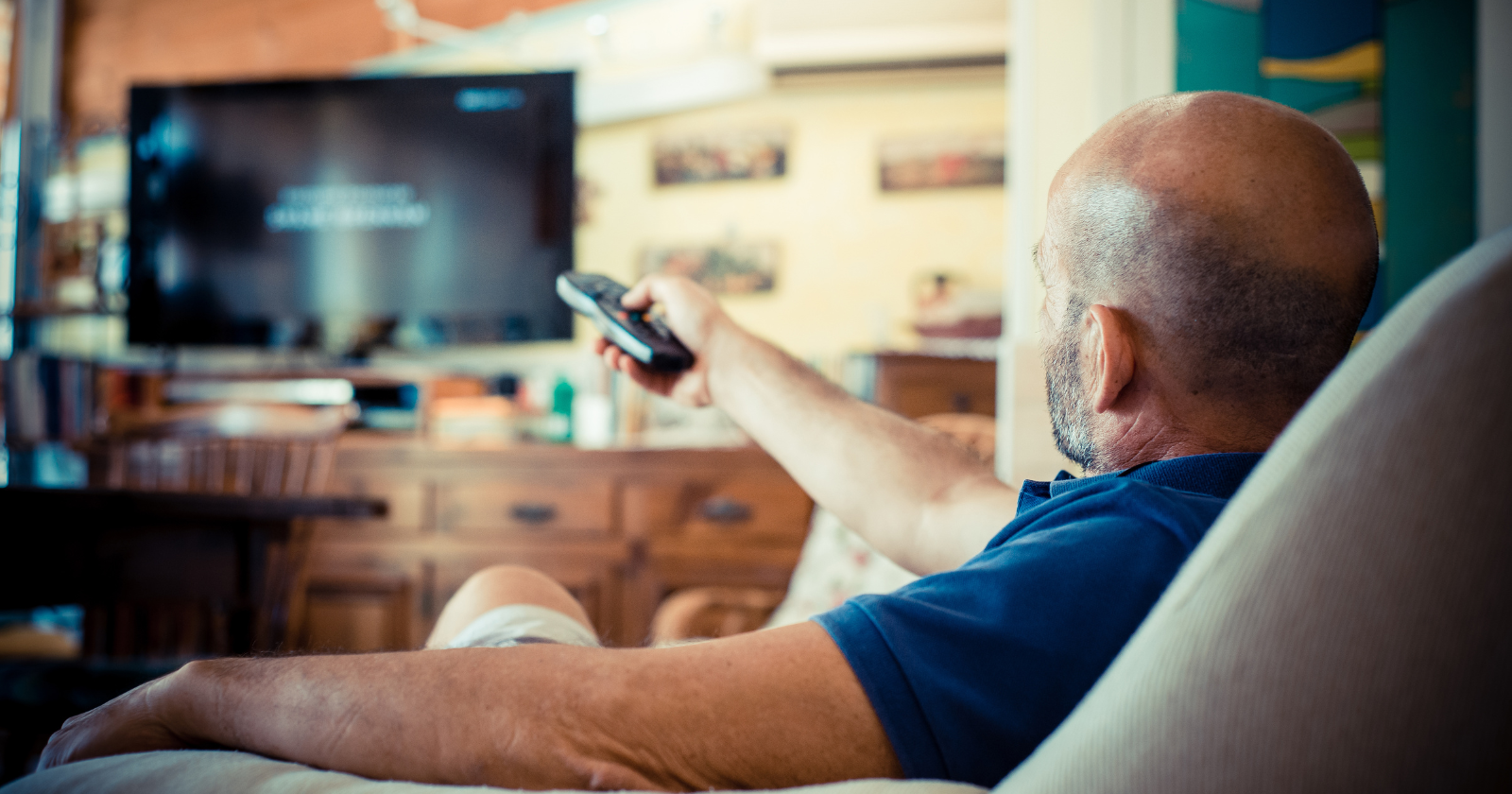
3. You eat most meals standing at the counter or in front of the TV
Setting a table feels pointless when it’s just you or just the two of you. So you eat standing at the kitchen counter, or worse, mindlessly in front of whatever’s on television. Food becomes fuel, nothing more.
This habit strips eating of its civilizing function. Meals become joyless, rushed, unconscious. You stop tasting. You stop savoring. You eat like someone who has nowhere else to be and nothing to celebrate.
4. You’ve stopped learning anything new
Your last new skill was probably job-related, learned under pressure years ago. Now, the idea of starting from scratch at anything feels pointless. Why learn Spanish at 64? Why take up woodworking? Why bother?
When you stop learning, your brain settles into well-worn grooves. Conversations become repetitive. You tell the same stories. That spark of discovery that makes people interesting, regardless of age, dims and eventually extinguishes.
After retirement, maintaining friendships requires effort. Work friends scatter. Making new connections feels awkward. So you let it slide. A week without real conversation becomes a month. You realize you haven’t laughed with another person in longer than you can remember.
Social isolation accelerates every other form of decline. Without the mirror of other people’s expectations, standards slip. Without fresh perspectives, thinking stagnates. Without laughter and connection, what’s the point of maintaining anything?
6. You’ve given up on any form of regular exercise
The gym membership expired. The walking shoes gather dust. Your body hurts in various places, so movement seems counterproductive. Better to rest. Better to take it easy.
But bodies in motion stay in motion. When you stop moving regularly, everything stiffens. Getting up becomes harder. Stairs become obstacles. The less you move, the less you can move, until basic activities become productions.
7. You go days without leaving the house
Amazon delivers. Groceries can be ordered online. Why deal with traffic, parking, people? Your world shrinks to the square footage of your home. Days pass in climate-controlled sameness.
This habit is insidious because it feels like comfort when it’s actually imprisonment. The outside world becomes increasingly foreign, increasingly difficult to navigate. Re-entry gets harder with each passing day of isolation.
8. You’ve stopped maintaining your living space
That broken drawer stays broken. The pile of newspapers grows. Surfaces accumulate objects that have no real home. You stop noticing the dust, the clutter, the slow deterioration of your environment.
Your space reflects your internal state. When you stop caring about your surroundings, you’re telegraphing surrender. The chaos outside mirrors and reinforces the chaos inside.
9. You’ve let your sleep schedule completely drift
No job means no alarm clock. You stay up until 2 AM watching nothing important. You sleep until 10, maybe noon. Naps happen randomly. Night and day lose their distinction.
This isn’t freedom; it’s the absence of structure. Quality sleep requires consistency. When your sleep schedule drifts, everything else follows: mood, energy, cognitive function, appearance. You age faster when your circadian rhythm is constantly confused.
10. You’ve stopped planning anything to look forward to
Your calendar is empty except for doctor’s appointments. No trips planned. No events anticipated. No goals set. Tomorrow looks exactly like today, which looked exactly like yesterday.
Without something to anticipate, time flattens into an endless, meaningless present. You need markers, milestones, reasons to maintain yourself. When the future holds nothing you’re working toward or excited about, why bother with maintenance?
Closing thoughts
Reading through this list, I recognize myself in more habits than I’m comfortable admitting. The slide is real, and it’s gradual, and it’s reversible.
The antidote isn’t complicated. Pick one habit. Just one. If you’ve been eating over the sink, set the table tonight. If you haven’t left the house in three days, walk around the block. If your morning routine has disappeared, set an alarm tomorrow.
Small corrections compound just as surely as small surrenders. The goal isn’t to become someone you’re not or to pretend you’re younger. The goal is to remain engaged with your own life, to maintain the basic structures that separate vitality from decay.
At 64, I’m learning that retirement isn’t a finish line; it’s a transition that requires its own form of discipline. Not the grinding discipline of career advancement, but the gentler discipline of self-maintenance, of choosing engagement over entropy.
The hardware store encounter haunts me because I see how easily I could become that person. We all could. The difference between letting yourself go and keeping yourself together isn’t talent or money or genetics. It’s the accumulation of small daily choices that say: I’m still here. I still matter. This life is still worth living fully.
