
You know that specific brand of exhaustion that comes from standing in a doorway for thirty seconds, calculating exactly where to position yourself in a room full of people?
The mental math of it: Too close to that group and you’re intruding, too far and you’re the weird loner by the wall.
Your hands doing that awkward dance between pockets, crossed arms, and that strange half-gesture where you almost reach for your phone but don’t.
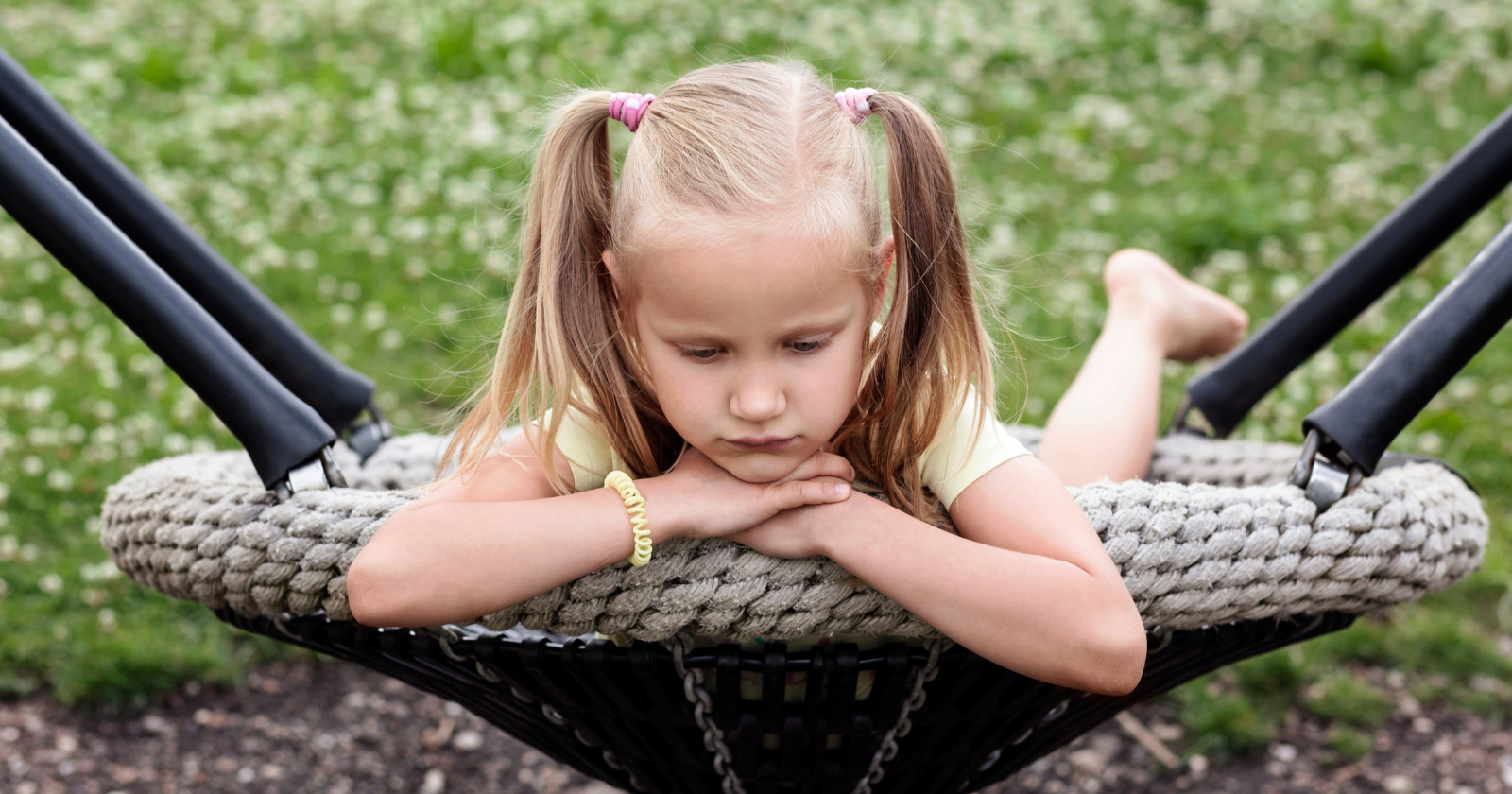
That exhaustion has a source and, for some of us, it started decades ago in elementary school gymnasiums and family reunion photographs where we instinctively drifted to the edges like satellites that couldn’t quite lock into orbit.
Psychology is finally catching up to what many of us have always sensed: Those early experiences of social uncertainty evolve into sophisticated adult behaviors that shape everything from how we enter meetings to how we navigate dinner parties.
The child who hovered at the photograph’s edge became an adult with a particular kind of social radar.
Here are the signs that early uncertainty shaped someone’s entire approach to human connection:
1) They arrive exactly on time to avoid the “early or late” calculation
Most people worry about being late, while these people worry about the social physics of arrival itself.
Show up early and you risk that painful small talk with the host while they’re still setting up; too late and you’re walking into established conversations, trying to find an entry point.
They’ve perfected the art of precise timing, at the exact moment when arrival causes the least social disruption.
This is about minimizing those moments of social recalibration that feel like walking onto a stage mid-performance.
2) They unconsciously position themselves near exits
Watch where they sit in restaurants, stand at parties, or position themselves in meetings.
There’s always a clear path to the door.
It’s about maintaining options; the same instinct that kept them at the photograph’s edge now keeps them at the room’s periphery, where they can observe without fully committing to the center’s energy.
Psychologists call this “defensive positioning,” but it’s really just sophisticated social geometry developed over years of feeling slightly out of sync with group dynamics.
The phone check, the intense study of artwork nobody else notices, and the sudden fascination with the host’s bookshelf.
These are sophisticated holding patterns for people who learned early that sometimes the safest place in a social situation is to appear occupied.
I’ve watched someone spend fifteen minutes reading the spines of books at a party because it gave them something to do with their body while they acclimated to the room’s social temperature.
4) They over-prepare for casual conversations
Before a work happy hour, they’ve already rehearsed three conversation starters, two graceful exits, and a mental list of safe topics.
This is the mental habit of someone who learned that social interactions go better with a script, even if you never use it.
The preparation itself becomes a form of self-soothing, like keeping a map in your pocket even when you know the route.
They can tell you who’s threatened by whom, which laugh is genuine, and exactly when the room’s energy shifts; they caught that micro-expression when someone got interrupted, and they noticed who looked at their phone when certain names came up.
This hypervigilance started as survival. When you’re not sure where you fit, you become an anthropologist of your own species.
Every interaction becomes data about how this whole thing works.
The exhausting part? They can’t turn it off.
Even in relaxed settings, they’re still mapping the social terrain like someone who learned early that not knowing the landscape was dangerous.
6) They struggle with group photos even now
Corporate headshots? Fine.
Selfies? No problem, but group photos still trigger that old uncertainty.
Where do hands go? How much should you smile? Are you standing too close to someone you barely know? Too far from someone who might feel snubbed?
Watch them at weddings or reunions.
They’ll volunteer to take the photo rather than be in it from the deep exhaustion of navigating their placement in the frame.
These are the people who’ve become masters at connecting others.
“Oh, you should meet Sarah, she’s also into rock climbing.”
“Have you talked to Mike about that project?”
It looks like social grace, but it’s actually brilliant deflection. By becoming the bridge between others, they avoid having to sustain the full weight of any interaction themselves.
They learned that being useful in social situations is easier than just being.
8) They overthink their own enthusiasm
Too excited and you’re trying too hard. Too reserved and you’re cold. They’ve spent so long calibrating their reactions that genuine enthusiasm feels risky.
So, they’ve developed this measured warmth: Friendly but not overeager, and interested but not desperate.
It’s exhausting maintaining that balance, but it feels safer than the vulnerability of uncalculated joy.
You’ll notice them testing the room’s energy before matching it, like someone checking water temperature before diving in.
9) They’re drawn to one-on-one connections
In single conversations, all that uncertainty disappears.
Just two people, clear roles, simple geometry.
These aren’t introverts necessarily as they can work a room when needed, but they come alive in the simplicity of binary connection where the social mathematics finally, blessedly, simplify.
Their deepest friendships probably started this way: In quiet corners where the complexity reduced to something manageable.
Final thoughts
That child at the photograph’s edge was developing a different kind of social intelligence, one built on observation and careful navigation rather than assumption and entitled presence.
The exhaustion is real.
The hypervigilance takes a toll, but there’s also something profound about moving through the world with that level of awareness, even if you sometimes wish you could turn it off.
If you recognize yourself here, know this: Your uncertainty gave you gifts others don’t have.
You see things, you sense shifts, and you understand the architecture of social situations in ways that those who’ve always felt centered never needed to develop.
The work is about recognizing that they were doing the best they could with the social physics they understood.
Maybe, occasionally, letting yourself stand wherever you want in the frame—hands doing whatever weird thing hands do—without calculating the social mathematics of it all, even if just for one photograph.
