
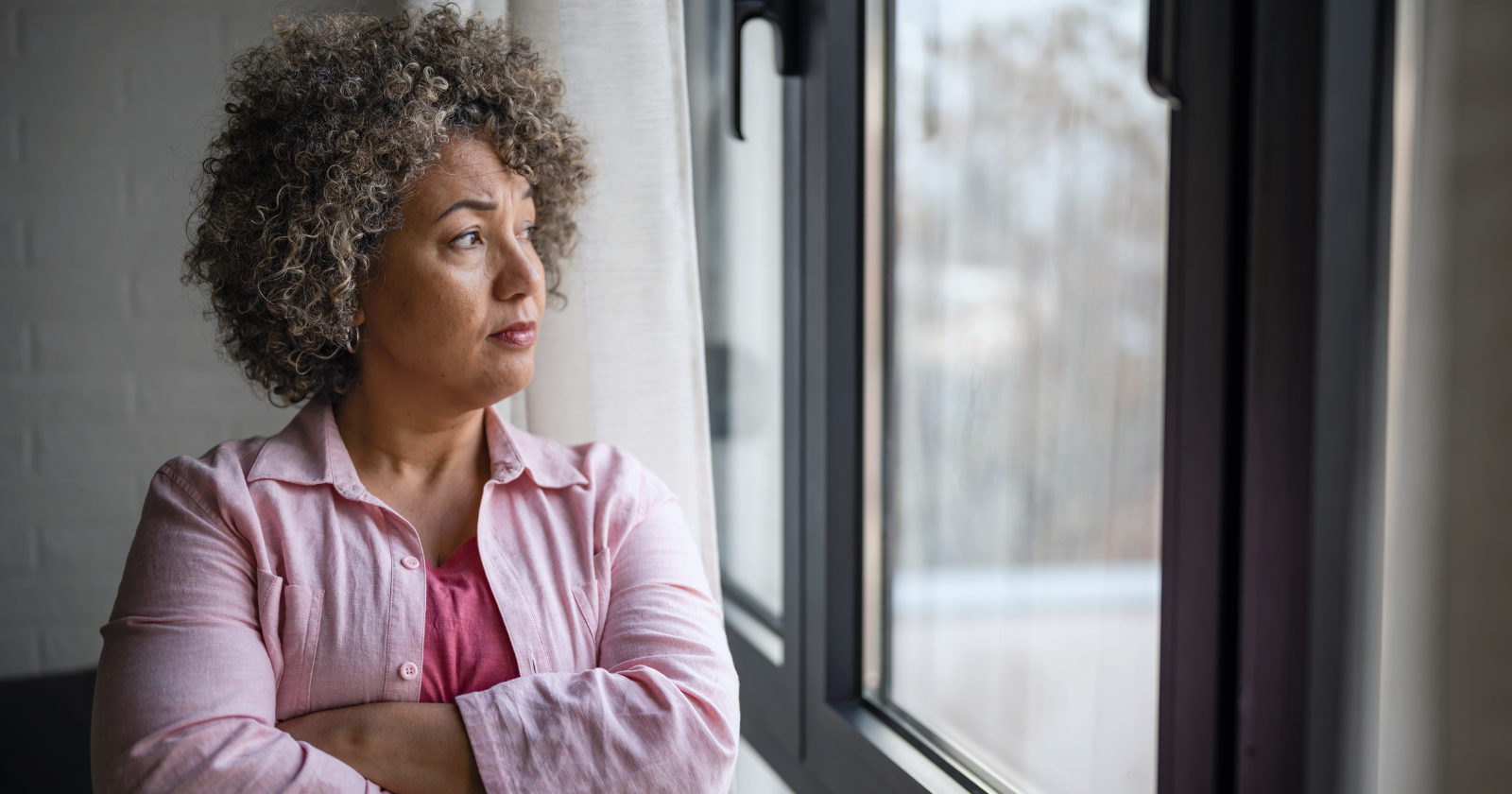
I spent decades watching women navigate impossible equations. Raise children while building careers. Support husbands through their crises while swallowing their own. Keep peace in families that would implode without their constant mediation.
Now, at 64, I watch my female contemporaries finally claim something they never had before: the right to close the door.
The misconception is that these women are lonely. Drive through any neighborhood after dinner and you’ll see it. Single lights in windows. Women reading alone. Walking solo with their dogs at dusk. No dinner parties, no phone calls, no visible social life.
Concerned adult children whisper about Mom becoming isolated. Neighbors wonder if she needs checking on.
Here’s what they’re missing: these women aren’t alone because life left them behind. They’re alone because, for the first time in six decades, nobody needs them to be available.
No crying infant, demanding boss, or sulking teenager requires their immediate attention. The silence isn’t imposed. It’s chosen. And after a lifetime of being on call for everyone else’s emergencies, that choice feels like luxury.
1. They eat dinner without explanation or negotiation
For forty years, dinner meant democracy. What does everyone want? Can we agree on something? Who has practice until seven? Who hates mushrooms this week? The mental load of feeding a family while keeping peace was exhausting, though few named it at the time.
Now these women eat toast and tea if that’s what appeals. Or elaborate salads nobody else would touch. Or cheese and crackers at nine instead of six. No justification required. No hurt feelings to manage. No second meal to prepare when the first one fails.
From outside, eating alone looks sad. Inside that kitchen, it’s liberation from decades of food diplomacy. She’s not lonely. She’s free from the tyranny of other people’s preferences.
2. They read for hours without guilt
When I talk to women in their late sixties and seventies, this comes up constantly. They finally read without that nagging sense they should be doing something productive. No laundry calling. No homework to supervise. No husband sighing because dinner’s late.
They tell me they sometimes read until midnight, completely absorbed, the way they did as girls before responsibility claimed them. They’re reclaiming that lost pleasure of total immersion in someone else’s story without the guilt that shadowed their middle years.
Watch that woman reading by her window at eight o’clock. She’s not filling empty time. She’s recovering time that was stolen from her, hour by hour, across forty years of putting herself last.
3. They stop answering the phone after seven
The phone stays silent. Calls go to voicemail. Texts wait until morning. This isn’t rudeness or depression. It’s boundary-setting that would have been impossible when children might need them, when aging parents required checking, when husbands expected immediate responses.
One woman told me she spent fifty years being instantly available. Every ring might be an emergency. Every buzz could be someone needing her. Now, unless someone’s dying, it can wait until she’s ready to engage. The evening belongs to her.
That unanswered phone isn’t isolation. It’s sovereignty over her own attention, perhaps for the first time since she was young.
4. They take absurdly long baths
Not quick, efficient showers squeezed between obligations. Real baths. With candles, books, wine, music. The bathroom door locked against nobody because nobody’s there to interrupt, but the lock matters anyway. It’s symbolic. This space is hers.
For decades, even bathroom privacy was negotiable. Children banged on doors. Husbands needed to find things. The bathroom was another space where her needs came second. Now she soaks until the water cools, adds more hot, soaks again. Time becomes irrelevant.
The solitary bath ritual isn’t about hygiene. It’s about reclaiming her body as her own territory after decades of it belonging to others’ needs.
5. They walk the neighborhood at their own pace
No power walking for fitness. No rushing to get back. These women walk slowly through their neighborhoods as evening falls, stopping to notice gardens, watching birds, thinking their own thoughts without interruption.
They walk without destination or timeline. After decades of every journey having purpose, every outing being efficient, they’re discovering what it means to move through space without agenda. Their own rhythm, their own route, their own reasons.
Neighbors might pity the woman walking alone at dusk. They don’t understand she’s finally able to hear her own thoughts clearly, without the static of constant demands.
6. They create spaces nobody else enters
A reading corner that’s purely theirs. An art room where projects stay undisturbed. A garden shed converted to a writing space. After decades of shared spaces where their things got moved, their projects interrupted, their privacy violated, they’re creating inviolate territories.
These spaces often look sparse from outside. Minimal decoration. Basic furniture. But that simplicity is intentional. After years of maintaining spaces for others’ comfort, they’re creating rooms that serve only their own needs. No compromise required.
The solitary room isn’t loneliness. It’s the first space in decades that doesn’t require negotiation or defense.
7. They go to bed when their body says to
Not when the household schedule demands. Not after everyone else is settled. Not timed around someone else’s television habits or snoring patterns. They sleep when tired, wake when rested, nap without apology.
For women who spent decades sleep-deprived, catching fragments of rest between others’ needs, this is revolutionary. Their bodies’ rhythms, suppressed for forty years, finally get heard. Sometimes that means bed at eight. Sometimes midnight. The schedule serves nobody but themselves.
That early bedtime isn’t depression or decline. It’s the first time they’ve honored their own circadian needs without accommodation or guilt.
Closing thoughts
The women I observe in their evening solitude aren’t victims of abandonment. They’re finally experiencing something men often took for granted: the right to close the door, to be unavailable, to prioritize their own restoration without apologizing.
They earned this silence through decades of noise they couldn’t escape. They purchased this solitude with forty years of mandatory availability.
When their children worry about Mom being alone too much, they’re measuring her life by standards that made sense when she lived for others. They don’t understand that Mom’s not lonely. She’s finally, blissfully, intentionally alone.
The practical truth for those watching these women with concern: before you intervene in what looks like isolation, ask yourself whether you’re really worried about her wellbeing, or whether you’re uncomfortable with a woman choosing herself over availability.
Because after sixty-five years of earning the right to that choice, the last thing she needs is someone else’s permission to make it.
