
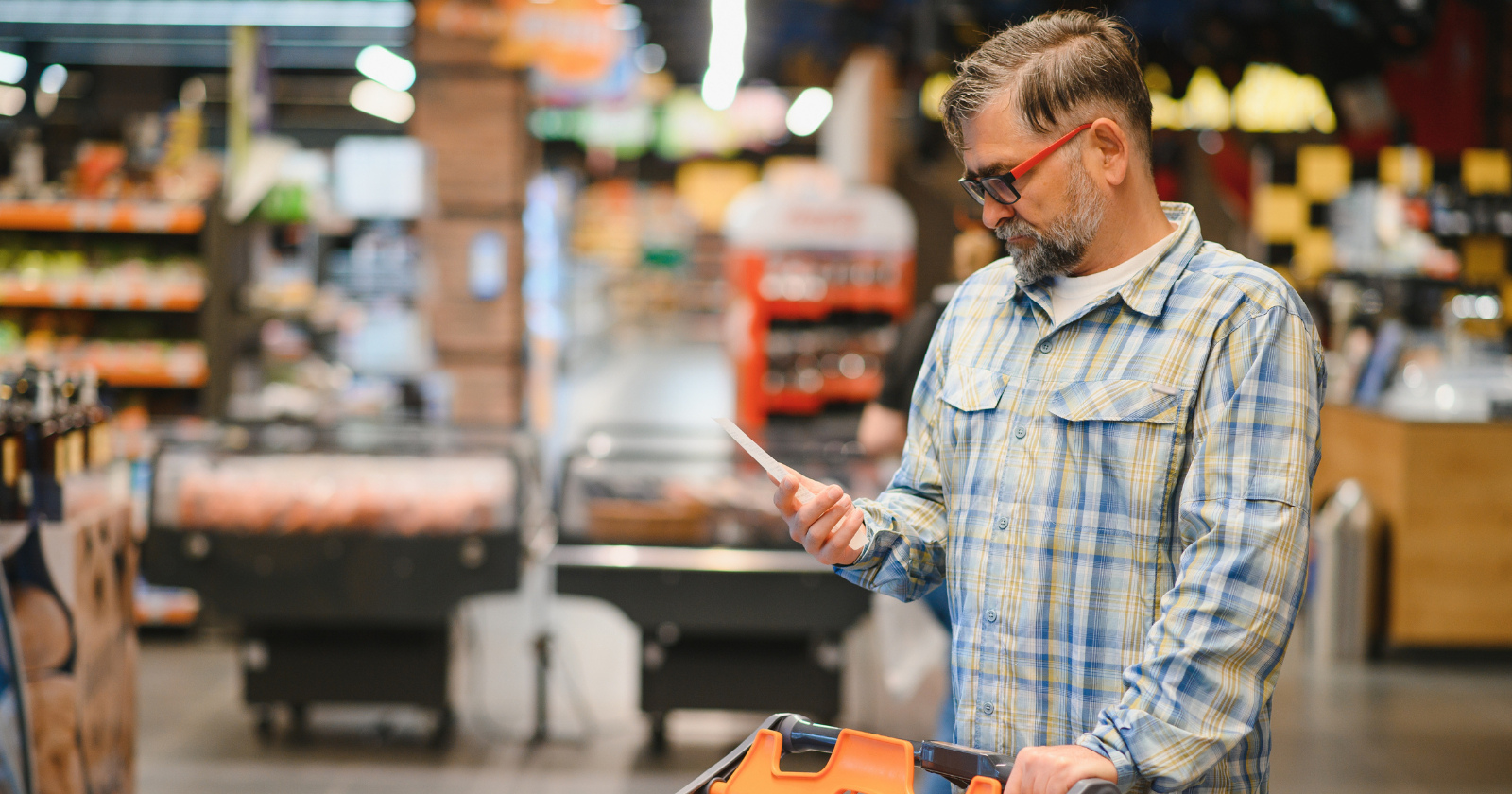
You can tell everything about a man’s relationship by watching him shop alone for fifteen minutes.
I realized this last Tuesday at 3 PM, standing behind a guy in the cereal aisle who spent four minutes comparing nutritional labels while his phone buzzed repeatedly in his pocket.
He never checked it. Just kept reading those boxes like they contained launch codes.
That’s when it clicked: Grocery stores are behavioral laboratories. When someone’s partner isn’t there to perform for, their real priorities surface.
The guy who grabs the expensive olive oil without checking the price? Different story than the one who photographs three receipts “for the budget spreadsheet.”
After years of studying decision patterns under pressure, I’ve noticed these grocery store behaviors predict relationship dynamics with startling accuracy.
Not because buying habits matter. Because micro-decisions reveal macro-patterns about consideration, independence, and emotional investment.
Here are seven specific things to watch for.
1) He buys her favorite snack without being asked
This isn’t about the snack. It’s about mental bandwidth allocation.
A man who automatically grabs his partner’s preferred yogurt flavor operates with her preferences loaded in active memory.
He’s not checking a list or calling to confirm. Her likes and dislikes have become part of his default decision framework.
I watched a contractor type do this with prenatal vitamins last month. No hesitation, straight to the pharmacy section, grabbed a specific brand. That’s not task completion. That’s integration.
The opposite pattern is equally telling. The guy who “forgets” she switched to oat milk three months ago? He’s compartmentalizing the relationship.
Her preferences stay in a separate mental file he only opens when directly prompted.
This shows up everywhere once you notice it. Does he remember she hates cilantro when ordering takeout solo? Does he avoid his favorite restaurant because the lighting gives her headaches? These aren’t grand gestures.
They’re processing patterns that reveal whether someone exists in his thoughts when they’re not physically present.
2) He sticks to the list (or completely ignores it)
List adherence maps directly to relationship trust dynamics.
The militant list-follower who won’t deviate for a sale item? He’s often managing anxiety about disappointing his partner.
Every deviation feels like potential conflict. This usually pairs with texting photos of substitutions and asking permission for minor changes.
The list-ignorer presents differently but reveals similar insecurity. He treats the list as a suggestion, then either hides the receipt or launches preemptive justifications about why he “improved” the plan.
Both extremes suggest he doesn’t trust the relationship to handle normal human imperfection.
Secure attachment looks boring in comparison. These guys treat lists as communication tools, not contracts. They make reasonable substitutions without drama.
They mention changes without defending them. They trust their partner wants helpful input, not perfect obedience.
Watch how he handles the list when something’s out of stock. Does he panic-text? Skip it entirely? Make a reasonable substitution? That’s your relationship conflict style in miniature.
3) He shops efficiently vs. wanders aimlessly
Time management in grocery stores reveals priority hierarchies.
The speed-runner who treats shopping like a Navy SEAL mission often does the same with relationship maintenance. Efficiency becomes avoidance.
Get in, complete task, minimize exposure to anything unexpected. These guys often can’t tell you what their partner actually needs emotionally because they’re too focused on checking boxes.
But aimless wandering tells its own story. The guy reading every label, comparing sixteen pasta sauces, reorganizing his cart three times? He’s often avoiding something at home. The grocery store becomes a neutral zone where he doesn’t have to engage with relationship tensions.
Healthy shopping looks unremarkable. Maybe twenty percent longer than pure efficiency would require. These men move with purpose but stay open to adaptation.
They’re present in the store because they’re not running from or toward anything at home.
I’ve caught myself doing both extremes. Racing through when avoiding difficult conversations. Wandering when I needed processing time. The grocery store becomes whatever emotional space we need it to be.
4) He calls her from the store (or doesn’t)
Phone behavior in stores reveals autonomy patterns.
The constant caller checking every decision isn’t being thoughtful. He’s outsourcing cognitive load. “Which tomatoes look good?” isn’t about tomatoes.
It’s about not wanting responsibility for choosing wrong. This pattern usually extends everywhere: Restaurant selection, weekend plans, major purchases.
Zero communication presents equal problems from the opposite direction.
The guy who never checks in, even when making significant substitutions or spending changes? He’s protecting his autonomy at the relationship’s expense. Independence becomes isolation.
The diagnostic moment comes with unexpected situations. Store’s out of her shampoo brand. Does he call for input, make a reasonable guess, or skip it entirely?
Each choice reveals his comfort level with shared decision-making versus unilateral action.
Secure partners call for genuine uncertainty, not performance. Big price differences, allergy concerns, actual preferences that matter. They don’t call to avoid accountability or prove consideration.
5) He picks up flowers or treats spontaneously
Spontaneous purchases reveal relationship investment patterns, but not how you’d expect.
The guy buying flowers every week isn’t necessarily the romantic hero. Consistent flower-buying often functions as relationship insurance.
A preemptive peace offering for conflicts not yet started. Watch whether those flowers correlate with his work stress, time away, or guilt patterns.
Random, inconsistent treats tell more. The guy who usually ignores the flower display but grabs tulips because “she mentioned spring feels late this year”?
That’s presence, not performance. He’s tracking her emotional weather, not managing his guilt inventory.
The diagnostic tell: Does he buy treats that require him to remember previous conversations? The specific chocolate she mentioned wanting to try, not just “expensive chocolate.”
The exact wine from their anniversary dinner, not just “good wine.” Specificity reveals attention. Generic gestures reveal obligation.
6) He notices prices (or doesn’t)
Price awareness in grocery stores maps directly to financial partnership dynamics.
The compulsive price-checker photographing receipts isn’t necessarily responsible. He’s often managing financial anxiety by creating performance metrics.
“Look how much I saved” becomes proof of contribution, especially if he feels inadequate in other areas.
Complete price blindness suggests different problems. The guy tossing expensive items without consideration often hasn’t integrated shared financial reality.
His money, her money, their money remain separate categories even within committed relationships.
Healthy financial partnership looks like contextual awareness. These men know rough price ranges, notice significant differences, and make tradeoffs without drama.
They’ll grab the expensive coffee she loves but choose generic pasta. That’s shared economic thinking, not performance or abdication.
7) He handles the checkout interaction
Checkout behavior reveals social presentation patterns.
Watch how he responds when the cashier asks about his day. The guy who launches into couple stories unprompted? He’s performing relationship success for strangers.
The one who acts like his partner doesn’t exist? He’s compartmentalizing his public and private selves.
The real tell comes with loyalty cards and payment methods. Does he know the phone number for their shared rewards account? Does he pay with joint cards or separate accounts? These micro-moments reveal financial and logistical integration levels.
Men in secure relationships handle checkout unremarkably. They mention partners naturally when relevant, stay quiet when not. They don’t perform their relationship or hide it. They’re just buying groceries.
Bottom line
Grocery store behavior reveals relationship dynamics because it’s too mundane to fake.
Nobody maintains their best self while choosing yogurt. The performance drops, and real patterns surface.
The consideration, independence, and investment levels that actually drive relationships become visible in these mundane moments.
This isn’t about judging anyone buying groceries. It’s about recognizing that our micro-patterns predict macro-outcomes.
The guy who can’t remember she’s lactose intolerant probably also forgets emotional needs. The one triple-checking every purchase likely seeks that same permission in bigger decisions.
Want to assess your own patterns? Shop alone next week. Notice when you think of your partner. Notice when you don’t. Notice what feels like consideration versus obligation.
The grocery store tells the truth. We just have to pay attention to what it’s saying.
