
Last week, I found myself in a conference room with former colleagues for a consulting project.
Within minutes, I noticed something I’d seen countless times before but never truly examined: How each person crossed their arms told a story about their position in that room.
The CEO’s arms were loosely folded, hands visible, leaning back slightly. The newest member had his arms wrapped tight, hands tucked away, shoulders hunched forward.
The trusted lieutenant crossed her arms high on her chest, almost defiantly.
Each stance revealed something profound about their trust levels, not just in the moment, but in their fundamental relationship with the group.
After decades of reading rooms where unspoken dynamics mattered more than what was actually said, I’ve learned that body language rarely lies.
But recent psychology research has given scientific backing to what negotiators have long suspected: The specific way you cross your arms in group settings reveals your trust levels with surgical precision.
This isn’t about the old myth that crossed arms always mean defensiveness. That’s amateur hour analysis.
The real tell is in the details: How tightly you cross, where your hands go, whether your torso leans forward or back, and most importantly, when you choose to cross versus when you don’t.
1) The tight wrap signals deep mistrust
When someone wraps their arms tightly around themselves, hands completely hidden, they’re broadcasting zero trust in the group. I’ve watched this play out hundreds of times in merger negotiations.
The executive who knows they’re about to be made redundant? Tight wrap, every time.
This position serves a dual purpose. First, it’s physical self-protection when you feel psychologically unsafe.
Second, it prevents you from accidentally revealing anything through hand gestures. Your body is literally holding itself back from engagement.
In my negotiation days, when I saw someone shift from loose arms to a tight wrap, I knew we’d hit a nerve. Something in the conversation had triggered their alarm system. The tighter the wrap, the less they trusted what was happening.
The psychology behind this is primal. When we feel threatened, we protect our vital organs. The tight arm wrap is the modern, socially acceptable version of curling into a fetal position.
It’s your body saying, “I don’t trust this situation enough to leave myself exposed.”
2) Loose folding with visible hands shows calculated openness
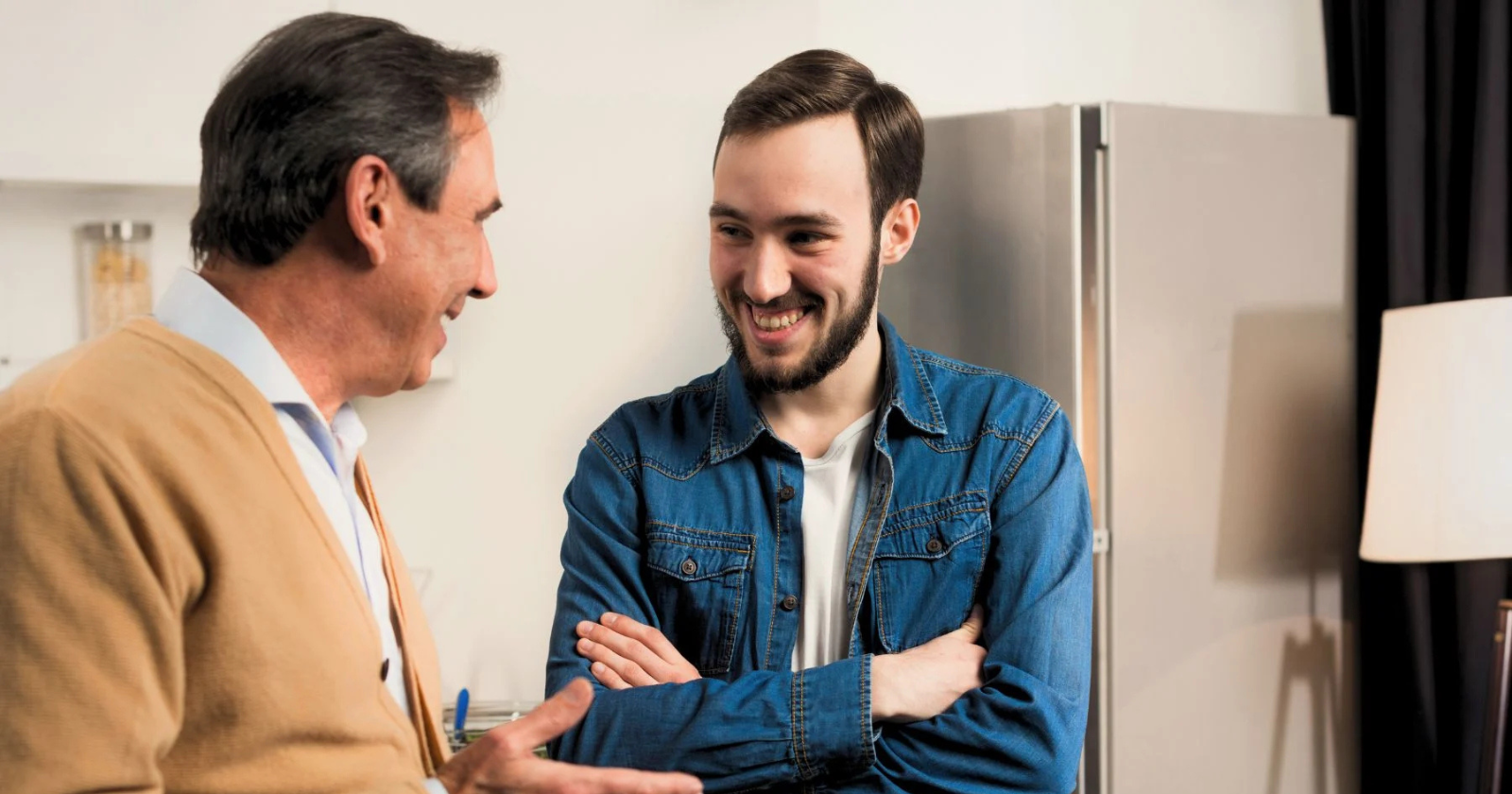
This is the power position, and once you know to look for it, you’ll spot it everywhere. Arms crossed but relaxed, hands visible, maybe one hand gesturing occasionally.
This person trusts the group enough to engage but maintains boundaries.
I perfected this stance over years of board meetings. It says, “I’m comfortable here, but I’m not naive.” It’s the body language equivalent of trust but verify.
People who consistently adopt this position in groups tend to be experienced players who’ve learned to calibrate their trust levels.
They’re neither paranoid nor gullible. They’ve been burned enough to be careful but successful enough to stay engaged.
Watch any seasoned CEO in a town hall meeting. They’ll often stand this way when taking difficult questions. It projects confidence without vulnerability, engagement without exposure.
They trust the process but not necessarily every person in the room.
3) High crossing reveals defensive confidence
Arms crossed high on the chest, almost at shoulder level, with hands gripping the biceps or shoulders. This person trusts themselves more than they trust the group. They’re not scared; they’re skeptical.
I once worked with a CFO who exclusively used this position in meetings where his budget proposals were challenged.
He wasn’t unsure of his numbers; he was signaling that he’d defend them against all comers. High crossers trust their position but not necessarily yours.
The fascinating element here is that high crossers often have history with the group. They’ve been through battles, won some, lost some, and developed a defensive confidence.
They trust the group enough to stay in the room but maintain a ready position for intellectual combat.
This position often emerges in people who’ve earned their seat at the table through competence rather than politics. They trust their expertise will protect them, even if group dynamics won’t.
4) The one-arm barrier indicates selective trust
One arm across the body, holding the opposite arm or shoulder. This subtle position reveals compartmentalized trust. The person trusts some aspects of the situation but not others.
During hostile takeover discussions, I’d watch executives shift to this position when certain topics arose. They were comfortable discussing financials but guarded about personnel decisions.
The one-arm barrier lets them quickly shift between open and closed based on conversational flow.
This position is particularly telling in mixed groups where someone knows some people well but not others. They’re essentially keeping one foot in and one foot out, ready to engage or withdraw based on who’s speaking.
People who default to this position often have complex relationships with authority. They trust the system enough to participate but maintain escape routes.
They’ve learned that trust should be parceled out strategically, not given wholesale.
5) The absence of crossing in tense moments reveals deep security
Here’s what most people miss: Sometimes the most telling sign is when someone doesn’t cross their arms when everyone else does.
When tension rises in a room and arms start folding like dominoes, watch for the person who keeps their arms open, maybe hands on the table or loosely at their sides.
This person either has complete trust in their position or nothing left to lose.
In my experience, these are often the real power players or those so secure in their role that group dynamics don’t threaten them.
They trust not because they’re naive but because they know they’re protected by position, information, or relationships.
I learned to be this person late in my career. When you truly understand where power lies and how decisions really get made, you don’t need physical barriers. Your knowledge and relationships are your protection.
Closing thoughts
After decades of watching how bodies tell truths that words conceal, I’ve learned that arm crossing patterns are like fingerprints of trust.
They reveal not just momentary comfort but deep-seated beliefs about safety, power, and belonging within a group.
The next time you’re in a meeting, resist the urge to automatically mirror the room’s body language. Instead, consciously choose your arm position based on the trust level you want to project.
If you’re trying to build bridges, keep them uncrossed.
If you need to signal boundaries while remaining engaged, go for the loose fold with visible hands.
But here’s the real insight: Pay attention to your own instinctive arm positions in different groups. They’ll tell you truths about your trust levels that your conscious mind might not want to admit.
That uncomfortable client meeting where your arms locked tight? Your body knew something was off before your brain caught up.
Trust, like body language, is always being negotiated, whether we acknowledge it or not. The question isn’t whether you’re signaling your trust levels through your arm positions. You are.
The question is whether you’re doing it consciously or letting your body broadcast messages you don’t intend to send.
