
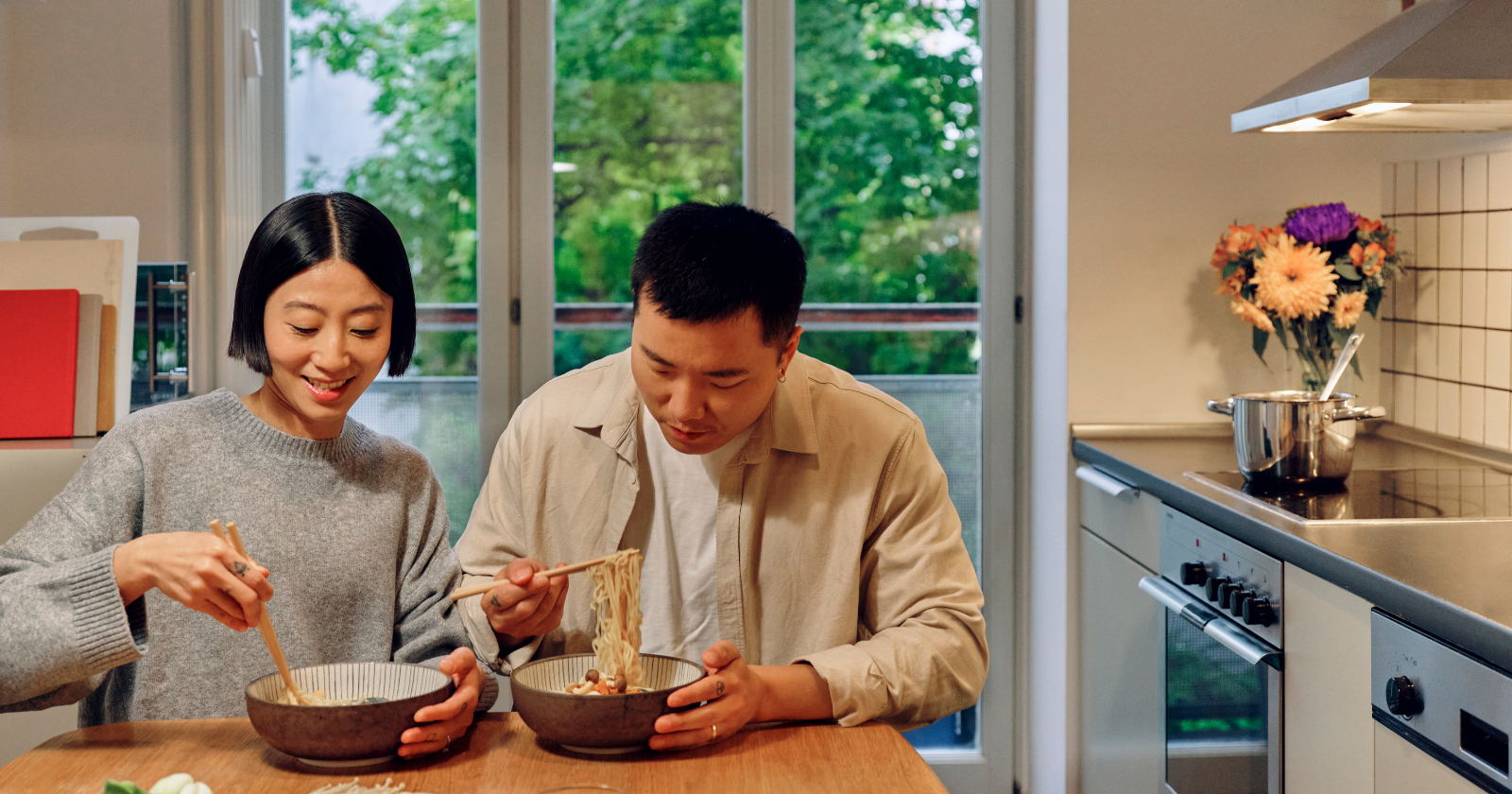
Every night at 5:28, I’d hear the same sequence: the oven timer’s beep, chairs scraping against linoleum, the clink of ice cubes hitting glasses.
By 5:30, we were seated, napkins in laps, no exceptions. Not for soccer practice, not for homework crises, not for anything short of a medical emergency.
Growing up in that house taught me something about structure that no productivity guru has ever quite captured. It wasn’t about optimization or time-blocking or any of the systems I’d later encounter in corporate training rooms.
It was about something deeper—the invisible architecture that holds a day together when everything else wants to fall apart.
I’ve spent years building teams and studying why people succeed or self-sabotage under pressure. But the most practical lessons about structure came from those rigid dinner times and the household rhythms that surrounded them.
1) Structure creates freedom by eliminating decision fatigue
In our house, 5:30 meant dinner. Period. There was no daily negotiation, no “what time should we eat?” conversation, no checking everyone’s schedule. That decision was made once and held forever.
This taught me something crucial: every decision you don’t have to make is energy you can spend elsewhere. Modern productivity advice loves to talk about decision fatigue, but they usually miss the point. The solution isn’t better decision-making systems. It’s removing decisions entirely.
When I started training high performers, I noticed the best ones had already figured this out. They ate the same breakfast, wore variations of the same outfit, worked out at the same time. Not because they read about it in a book, but because they instinctively understood that structure creates space for what matters.
The 5:30 dinner wasn’t about food. It was about not having to think about when food would happen.
2) Predictable checkpoints prevent drift
That dinner table was a daily audit whether we wanted it or not. Empty chair? Someone had to explain. Bad mood? It would come out over the potatoes. Struggling with something? Hard to hide it when you’re face-to-face every single evening.
Most people drift for weeks before realizing they’re off course. But when you have a predictable checkpoint—same time, same place, same people—drift becomes impossible. Problems surface before they become disasters.
In my work life, I’ve recreated this with weekly team standups and daily personal reviews. But here’s what the productivity books miss: the checkpoint needs to be non-negotiable and frequent enough that skipping it feels wrong. Once a month doesn’t work. Once a week barely works. Daily or near-daily creates the rhythm that catches problems while they’re still small.
My family operated on actions, not conversations about feelings. The structure itself was the communication. Dinner at 5:30 meant “this family matters.” Showing up meant “I’m okay.” The routine was the relationship.
This translates directly to team performance. Shared routines create trust faster than any team-building exercise.
When everyone knows the Monday morning meeting starts at 9:00 sharp, when the report is always due by Thursday noon, when the check-in always follows the same format—that predictability becomes the foundation for everything else.
Trust isn’t built through trust falls. It’s built through showing up at 5:30 every night for eighteen years.
4) Structure survives when motivation dies
Some nights, nobody wanted to sit at that table. Parents exhausted from work, kids sulking about whatever kids sulk about. Didn’t matter. 5:30 arrived, and we sat down.
This is maybe the biggest gap in modern productivity advice: everything assumes you’ll feel like doing the thing. But structure doesn’t care about your feelings. The framework carries you when willpower won’t.
I maintain what I call “minimum standards” for bad days—small, non-negotiable actions that happen regardless of circumstances. Even on the worst days, certain things still occur. Not because I’m motivated, but because the structure exists independent of my emotional state.
5) Boundaries create identity
“We eat at 5:30” wasn’t just a schedule. It was a declaration of who we were as a family. Other families might eat in shifts or in front of the TV. Not us. The boundary defined us.
Every structural choice you make is actually an identity choice. When you say “I don’t check email after 7 PM” or “I train every morning at 6,” you’re not just organizing time. You’re declaring who you are and what matters to you.
The productivity industry sells tactics when what people really need is identity. The person who grew up with dinner at 5:30 doesn’t need to be convinced to maintain structure. It’s already part of who they are.
6) Rituals regulate emotional temperature
That dinner table was emotional regulation disguised as a meal. Whatever chaos happened during the day, 5:30 brought everyone back to baseline. The ritual itself was calming, even when the conversation wasn’t.
High-pressure work environments need this kind of regulation, but most teams try to achieve it through meetings about feelings or forced bonding. What actually works is simple, predictable ritual.
The morning huddle. The end-of-day debrief. The Friday wrap-up. These aren’t just information exchanges—they’re emotional thermostats.
7) Structure makes care visible
In my family, care showed up as actions. Making dinner every night at the same time was love in practical form. Being there meant something precisely because it happened every day, not just when it was convenient.
This understanding shapes how I manage teams now. Consistency is care. Showing up reliably is respect. Maintaining structure when things get chaotic is leadership. You don’t need elaborate gestures when the daily structure itself communicates commitment.
8) Breaking structure signals importance
The rare times we didn’t eat at 5:30 meant something significant was happening. Those exceptions had weight precisely because the rule was so firm.
Most people’s lives are all exceptions and no rules. Every day is negotiable, so nothing feels important. But when you maintain rigid structure, breaking it becomes a powerful signal. The emergency that disrupts the routine gets immediate attention.
The opportunity that requires flexibility gets recognized as special.
Bottom line
The 5:30 dinner taught me that structure isn’t about productivity—it’s about creating a container strong enough to hold a life. The framework comes first, then everything else fits inside it.
Start with one non-negotiable. Not a goal, not an intention—a structural element that happens regardless of how you feel. Same time, same place, same standard. Build that foundation before adding complexity.
The productivity books will sell you systems and apps and methods. But those of us who grew up with dinner at exactly 5:30 know the truth: structure isn’t something you implement. It’s something you become.
