
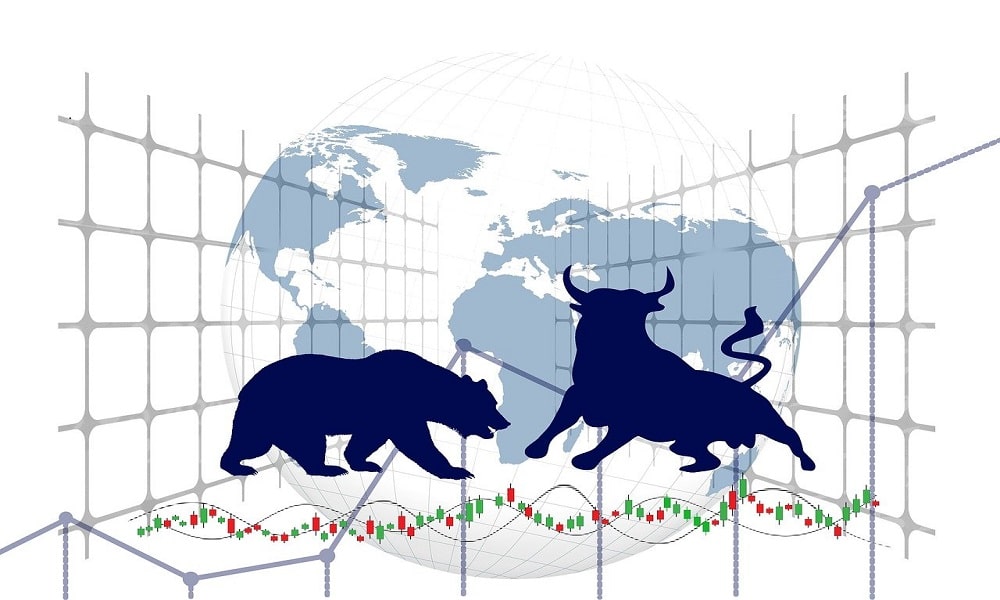
The stock market thrives on adrenaline—fast trades, rapid gains, and the constant buzz of breaking news. It’s easy to get swept up in the chaos, feeling like you’re missing out if you’re not riding every wave. But what if the real power move isn’t about speed? What if patience, that understated, often overlooked strategy, holds more weight than we’ve given it credit for?
In an environment obsessed with immediacy, embracing patience feels almost rebellious. Yet, as markets become more volatile and short-term wins prove fleeting, long-term thinking is quietly reclaiming its spot at the table. Here’s why it might be time to slow down and see the bigger picture.
The Myth of the “Quick Win”
Fast money stories dominate headlines—traders doubling investments overnight, viral stocks skyrocketing out of nowhere. But for every overnight success, there are countless untold stories of losses that happened just as quickly. The allure of quick gains often blinds investors to the bigger picture, making it easy to forget that the stock market isn’t a sprint; it’s an ultra-marathon.
When you chase instant gratification, you’re playing a game stacked against you. The market rewards consistency, not luck. While day trading can look exciting from the outside, it’s often a stressful grind filled with emotional highs and lows. The reality is, timing the market perfectly is more about luck than skill, and luck isn’t a sustainable investment strategy.
Why Long-Term Holds Win (Almost) Every Time
Think about the companies that have genuinely changed the world. Their stock prices didn’t explode overnight—they grew steadily, weathering economic downturns, leadership changes, and shifting consumer trends. That kind of growth isn’t flashy, but it’s reliable. It’s also where the real money is made.
What makes long-term investing so effective? Compounding. It’s not just about the returns you earn but the returns on those returns. Over time, even modest gains snowball into significant wealth. This is where the perspective of an ESOP analyst comes in handy. They don’t just look at numbers—they assess how a company’s internal structure, employee ownership, and strategic decisions will drive growth over years, not months. Their focus on sustainability over speed offers a fresh lens for investors stuck in the fast-money mindset.
The Hidden Power of Market Cycles
Markets move in cycles—bull runs, bear dips, corrections, recoveries. It’s tempting to react to every fluctuation, but that’s often a mistake. The most successful investors aren’t the ones who panic-sell at the first sign of red or jump ship when a trend cools. They’re the ones who understand that downturns are temporary, even necessary, for long-term growth.
This is where patience becomes your secret weapon. Instead of fearing a market dip, see it as an opportunity. Stocks often rebound stronger after corrections, rewarding those who held their ground. This ties into understanding concepts like stock float, which reflects the number of shares available for trading. A company with a smaller float might see more volatility, but that doesn’t necessarily signal weakness—it’s just part of the ebb and flow.
Patience also helps you avoid the common pitfall of emotional investing. When fear or greed drives decisions, mistakes happen. By committing to a long-term strategy, you create space to think clearly, make informed choices, and resist the urge to react impulsively.
Rethinking Risk in a Long-Term Strategy
Risk is often framed as something to be avoided, but in investing, risk is inevitable. The key isn’t eliminating risk—it’s managing it wisely. Short-term trades might feel less risky because they’re quick, but they’re actually more vulnerable to sudden market shifts. Long-term investments, on the other hand, have time to recover from dips and benefit from broader economic growth.
Patience shifts your perspective on risk. Instead of focusing on daily price swings, you start to evaluate the health of the business, its leadership, industry trends, and long-term potential. This approach transforms volatility from a threat into a tool. When prices drop, it’s not a disaster—it’s a buying opportunity.
The Emotional ROI of Patience
Investing isn’t just about numbers; it’s also about mindset. Constantly chasing the next big thing is exhausting. The stress of monitoring every market movement can take a toll, leading to burnout and poor decisions. Patience offers emotional clarity. It allows you to step back, breathe, and make choices based on logic, not panic.
There’s a certain peace that comes with trusting your strategy and giving it time to play out. You don’t need to check your portfolio every hour or react to every headline. Instead, you can focus on what truly matters: identifying quality investments, holding them through ups and downs, and letting time do the heavy lifting.
The Slow Game Wins
In a world obsessed with speed, patience feels like an outdated virtue. But when it comes to the stock market, it’s a strategy that quietly outperforms the noise. It’s not about sitting back and doing nothing—it’s about making intentional choices, grounded in research and a long-term vision.
The market will always have its highs and lows. Trends will come and go. But patience? That’s timeless. And for investors willing to embrace it, the rewards are more than financial—they’re a testament to the power of thinking beyond the moment.
