
Whoa! It seems like just a couple of months ago you were driving off the lot in your new leased car. Suddenly it’s three years later, your lease ends in a couple of months and it’s time to decide what to do next.
Should you return your vehicle and start the lease process all over again?
Or —
Should you buy your leased car?
The Primary Considerations
In all probability, you leased your car in the first place because you wanted to drive more car for less money. This is the leading rationale by which most people are guided when they elect to lease a car. However, now that you’ve done so, you’re in a rather unique position.
Should you choose to get another car and lease it as well? That’s certainly doable. But if you decide to forego leasing and buy a used car, you’re sitting in one of the most advantageous positions imaginable.
Here’s a used car you can buy — that you used.
But, is it worth it?
How Much Is the Residual?
To understand this, it’s a good idea to ask how does leasing a car work?
When you signed the lease, the company with which you did the deal estimated what it thought the value of the car would be at the end of the lease period. Your monthly payments were then based upon the difference between the purchase price you negotiated and the anticipated residual value of the car.
Let’s say you negotiated a price of $40,000 for the car and the residual value was set at $20,000. This means you could buy the car for $20,000 at the end of the lease.
Is that a good deal?
To find out, you’ll need to consult Kelley Blue Book or NADA.com to get an idea of what the car is selling for these days. If it’s a lot more, you’re sitting on the deal of the century. If it’s a lot less, you can walk away and get something else.
Either way, you win.
What’s the Condition of the Car?
Did you treat the car like you owned it, or like you stole it?
Lease agreements require you to maintain a vehicle to a certain standard to help ensure its residual value remains intact. This is why you also agreed to keep the mileage below a certain amount.
If you went over on the miles, you can expect the lessor to assess a charge of anywhere between $0.15 and $0.25 per mile. If you’re thousands of miles over, you could come out ahead buying the car rather than paying the difference. Similarly, if you subjected the car to a hard life and the wear and tear charges you’ll encounter are really high, you might be better off keeping the car you abused.
Not an ideal situation to be sure, but it could be advantageous financially.
The best possible situation is one in which you took good care of the car, stayed below the mileage and the value of the car is significantly higher than the residual value. If that’s the case, you could also choose to sell the car, keep the profit and pay off the leasing company.
What Makes the Most Sense?
It all depends upon your situation. If you run the numbers and determine you can come out ahead buying the car, it’s a good idea to do so. Conversely, why bother if you’ll lose money on the deal?
Ultimately, it all comes down to doing what’s in your best interest.
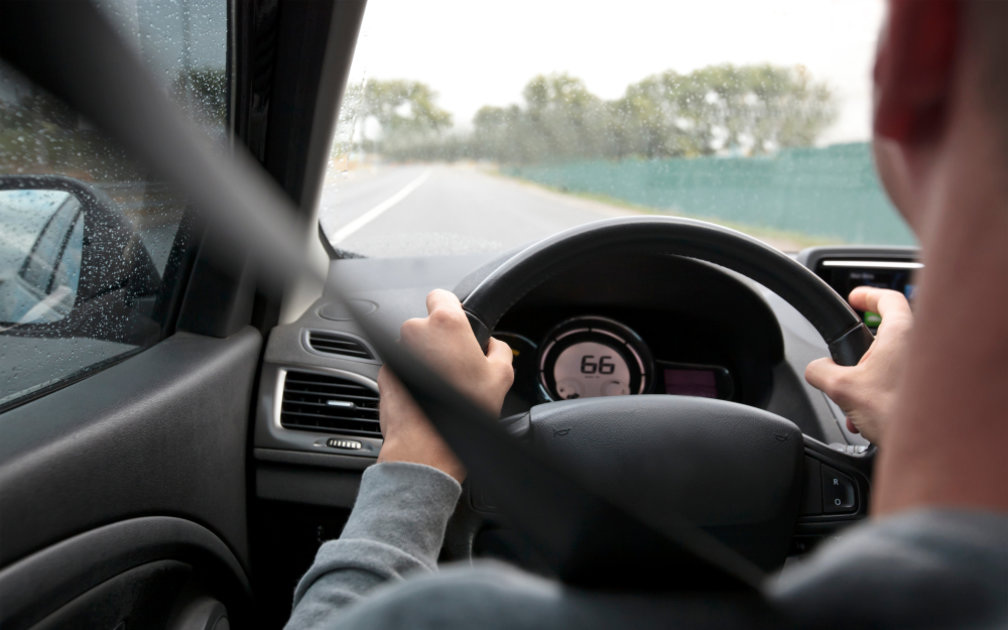
driving cockpit -DepositPhotos
- How Can Online Customer Reviews Positively Impact Your Business
- eBook Distribution: An Irish Company Leading The Way
- Prospecting in the Digital Age: Maximizing Opportunities Online
- 4 Important Pieces Of Advice To Stay Healthy And Strong While Growing A Business
- 7 Key Tactics to Convert Customer Awareness into Customer Engagement
- How Your Business Can Earn Money from Referral Partnerships
