
Ever watch someone walk into a coffee shop and instantly know whether they grew up with money?
I noticed it again yesterday. A woman in her thirties walked past my table, designer bag in hand, and something about how she held it made me think: Old money.
Not the bag itself—plenty of people buy luxury goods. It was the casual indifference in how she carried it, like it was just another Tuesday accessory.
After years working in brand and media spaces where perception is currency, I’ve learned that class tells on itself through tiny details.
And according to image consultants who study these patterns for a living, handbags are one of the clearest giveaways.
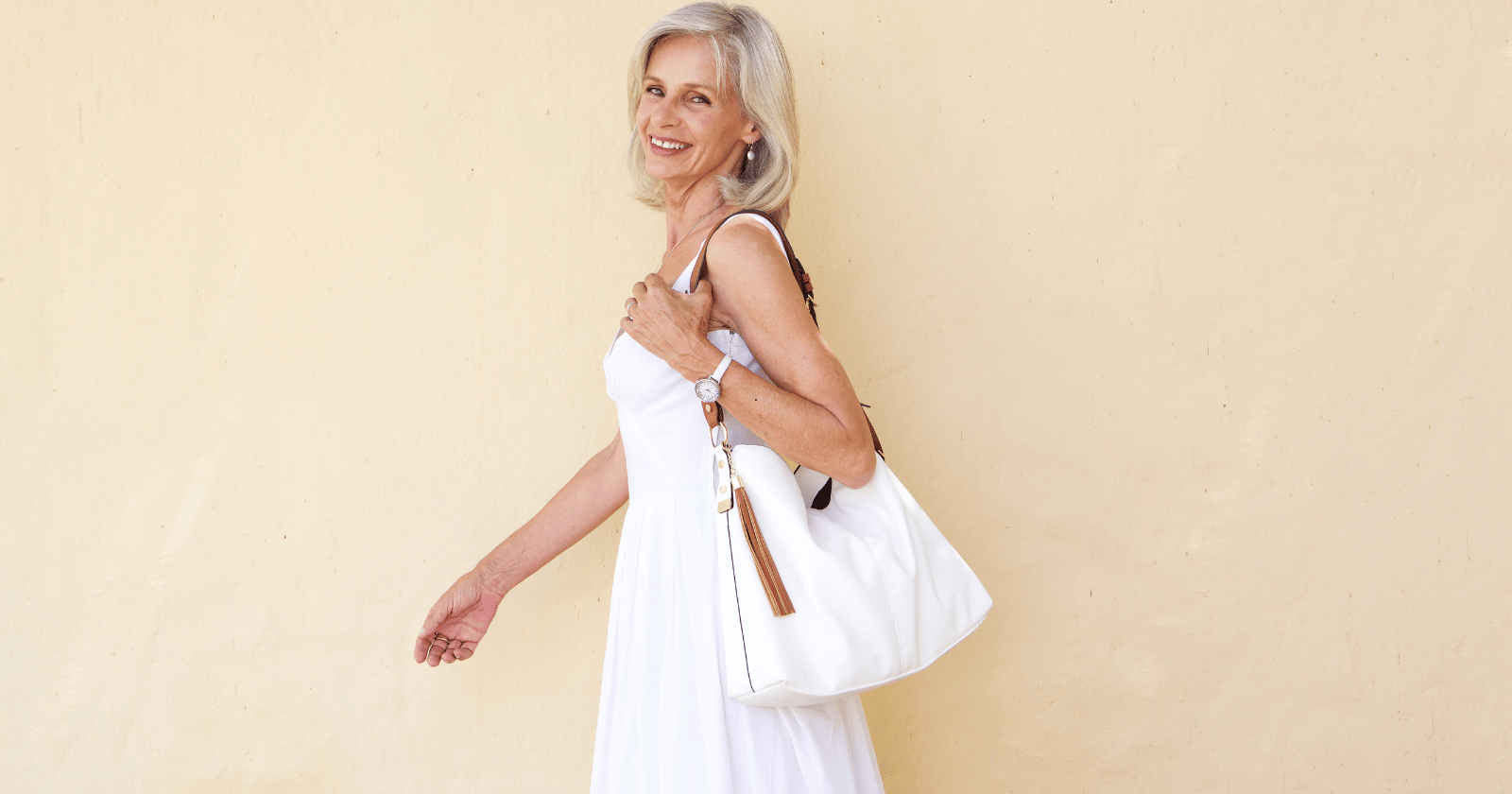
The way a woman carries her bag reveals more about her background than the label inside it. These unconscious habits form early and stick around, creating subtle signals that trained eyes pick up immediately.
Here are the seven giveaways that image consultants say reveal class background in seconds.
1) The death grip versus the loose hold
Women who grew up without financial security often clutch their bags tightly against their bodies. It’s protective, unconscious, learned from years of watching belongings carefully.
Meanwhile, those raised with money tend to hold bags loosely, sometimes barely gripping the strap. The bag swings freely as they walk. They’ve never had to worry about theft or loss the same way.
I saw this constantly in my brand work. At industry events, you could spot who came from money by how carelessly they’d set down thousand-dollar bags. They’d leave them on empty chairs, hang them on coat hooks, forget them at the bar.
The death grip isn’t about the bag’s actual value. I’ve watched women with modest purses carry them more casually than others with designer pieces worth a mortgage payment.
2) Showing versus not showing the logo
New money announces itself. Old money whispers.
Women who recently gained wealth often position bags so logos face outward. The brand becomes the point. They worked hard for that Chanel or Gucci, and they want recognition for it.
Those born into money? They’ll turn logos inward or choose bags where branding is subtle. Sometimes they actively hide labels. For them, obvious displays of wealth signal trying too hard.
Growing up around people who cared about appearances taught me this early. The families with real money in our neighborhood drove ten-year-old Volvos and carried worn leather bags from brands nobody recognized.
The ones stretching for status had matching logo everything.
3) Switching bags versus the everyday bag
Working-class and middle-class women often save “good” bags for special occasions. They protect these investments, switching to everyday bags for regular use.
Upper-class women typically use one quality bag until it falls apart, then replace it with another. No ceremony, no protection. Just use.
Image consultants note this comes from different relationships with objects. When you’ve always been able to replace things, you don’t preserve them the same way.
4) The shoulder versus the crook of the arm
The shoulder carry is practical, hands-free, developed by women who needed to multitask. It’s the carry of women who took public transport, carried groceries, managed children while working.
The crook-of-the-arm carry? That’s leisure class territory. It assumes you’re not rushing, not carrying multiple things, not worried about practicality. It’s the carry of women who had drivers, assistants, or simply never needed to hustle.
Watch any group of professional women and you’ll see the divide. Even among executives, those who climbed from working-class backgrounds often default to shoulder carry.
The born-wealthy keep bags in the crook of their arms like they’re perpetually headed to lunch at the club.
5) Checking the bag versus ignoring it
Women who grew up without much check their bags frequently. Quick touches to ensure zippers are closed, belongings secure. It’s anxiety made physical.
Those raised with wealth barely acknowledge their bags exist. They assume safety, assume things will be fine, assume if something goes wrong, it’s fixable.
This extends beyond security. Working and middle-class women often check bags for wear, worried about maintaining appearance.
Upper-class women let bags age naturally, even preferring the worn look that signals long ownership of quality items.
6) The placement in restaurants and public spaces
Where women put bags in restaurants tells the whole story.
Working-class habits: Bag on lap, between feet, or hung carefully on the chair back where it’s always visible and felt.
Upper-class habits: Bag on empty chairs, handed to staff without thought, or placed on the floor beside them without concern.
The difference is trust. Trust that nothing will be taken. Trust that floors are clean enough. Trust that if something happens, it’s not catastrophic.
In my media days, I watched this play out at every industry dinner. The executives who’d climbed from nothing kept bags close. The ones born into privilege barely tracked where their bags ended up.
7) The relationship with wear and damage
Middle-class women often panic over scratches or stains on expensive bags. They see damage as value lost, investment ruined.
Upper-class women treat wear as character. They’ll carry thoroughly beaten designer bags without embarrassment, even preferring them to pristine versions.
The psychology is different. When you’ve always had nice things, individual objects matter less. When you fought for that one beautiful bag, every scuff hurts.
I learned this watching how people in the brand world treated products. Those styling themselves as wealthy babied their purchases. Those actually wealthy treated luxury goods like any other tool.
Final thoughts
These signals aren’t about judgment. They’re about understanding how early experiences shape adult behavior in ways we rarely examine.
Class isn’t really about money anyway. It’s about accumulated habits, unconscious assumptions, and comfort levels that develop over generations.
A woman who wins the lottery tomorrow will still carry her bag the way she learned at fifteen.
What fascinates me is how unaware we are of these tells. We perfect our wardrobes, curate our social media, practice our elevator pitches, but our hands give us away every time.
The next time you’re people-watching, pay attention to the handbag carry. You’ll start seeing these patterns everywhere.
More importantly, you might notice your own habits and what they reveal about where you came from.
Because whether we clutch tightly or carry loosely, we’re all walking around advertising our histories, three seconds at a time.
