
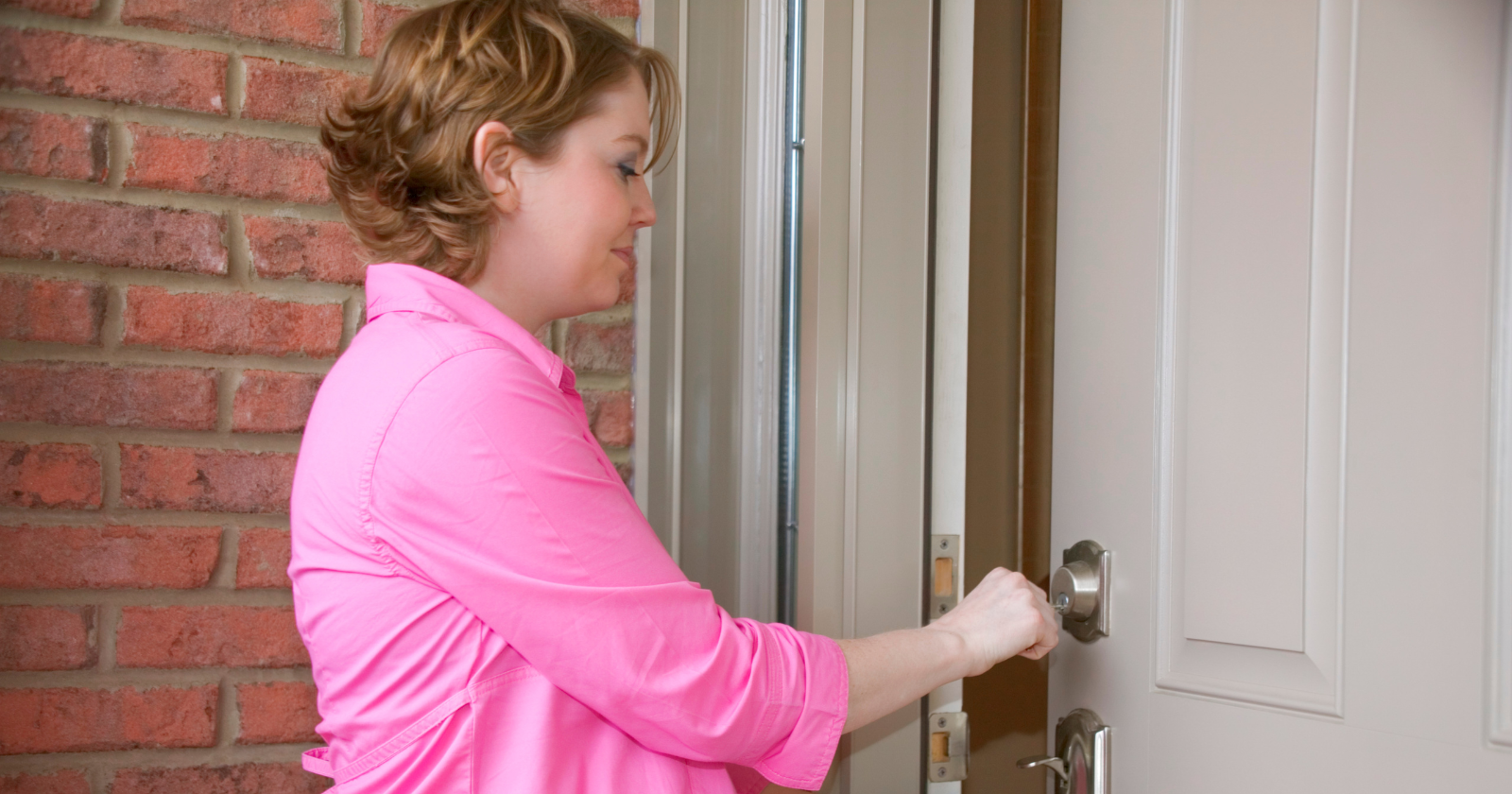
You know that person who goes back to check if they locked the door? The one who re-reads emails three times before hitting send?
That’s me.
For years, I thought this made me neurotic. Turns out, I had it backwards. The double-checkers and triple-readers aren’t broken. They’ve developed something most people never do: a finely tuned awareness system that catches problems before they explode.
I spent fifteen years building teams before I started writing about psychology. The highest performers I worked with all had this “checking” habit.
Not because they were anxious, but because they’d learned something crucial: small oversights create massive downstream problems.
Here’s what psychology tells us about people who check things twice, and the eight traits they share that most of us never develop.
1) They have superior error detection
Research from the University of Michigan found that people who double-check their work have heightened activity in the anterior cingulate cortex—the brain’s error-detection center. They literally notice mistakes that others miss.
This isn’t paranoia. It’s pattern recognition on steroids.
I used to apologize for re-reading contracts before signing them. Now I catch typos that save thousands of dollars. Last month, I spotted a decimal point error in a project budget that would have cost my client six figures. The person who sent it thanked me profusely. They’d looked at it five times and never saw it.
The double-checkers aren’t slow. They’re thorough. There’s a difference.
2) They process consequences faster
People who check twice run mental simulations at lightning speed. While you’re thinking about now, they’re already at next Tuesday, seeing how today’s decision plays out.
Studies on anticipatory processing show this trait correlates with better long-term decision-making. These people don’t just see the immediate result—they see the ripple effects.
Growing up in a “don’t complain, handle it” household taught me this the hard way. You learn to think three moves ahead when nobody’s coming to rescue you from your mistakes. Now it’s automatic. I can’t send an email without considering how it lands, how the response might go, what happens if it gets forwarded.
Sometimes I replay conversations afterward and notice what I didn’t say. That’s not rumination. That’s calibration.
3) They have lower tolerance for ambiguity
Double-checkers hate loose ends. Not because they’re control freaks, but because they understand that unclear situations breed problems.
They’re the ones who follow up on vague meeting conclusions. Who ask “So what exactly are the next steps?” when everyone else is packing up their laptops. Who send confirmation emails after verbal agreements.
This drives some people crazy. Those same people call you six months later when the project falls apart because nobody documented who was doing what.
4) They maintain higher environmental standards
People who check doors typically check everything else too. Their spaces are organized. Their schedules are clean. Their systems actually work.
I keep my home uncluttered because mess spikes my stress more than it bothers me aesthetically. Every item has a place. Every task has a time. This isn’t perfectionism—it’s environmental design for performance.
Princeton researchers found that physical clutter competes for your attention, reducing focus and processing capacity. The double-checkers figured this out intuitively. They create environments that support their need for clarity.
5) They build redundancy into everything
Two-factor authentication. Backup plans. Alternative routes. People who check twice don’t trust single points of failure.
They’re the ones with spare phone chargers in three locations. Who save documents in multiple places. Who confirm appointments the day before.
This looks like overkill until the system fails. Then they’re the only ones still functioning while everyone else scrambles.
6) They develop superior situational awareness
Double-checkers scan their environment constantly. They notice when something’s off. They catch the small changes that signal bigger shifts.
Research on vigilance and attention shows this heightened awareness correlates with better threat detection and opportunity recognition. They see problems coming and possibilities others miss.
In meetings, they’re reading the room while participating in the discussion. They notice who’s checked out, who’s confused, who’s about to object. They adjust their approach in real-time based on these micro-signals.
7) They over-communicate on purpose
People who check twice learned that assumptions kill projects. So they over-communicate strategically.
They send follow-up emails summarizing conversations. They confirm receipt of important messages. They close loops that others leave open.
I over-apologize when I think I’ve disappointed someone, even for minor things. This used to embarrass me. Now I see it as relationship maintenance. Better to acknowledge a small friction than let it build into resentment.
The double-checkers understand that most conflicts stem from miscommunication, not malice. So they eliminate ambiguity upfront.
8) They have exceptional completion energy
Starting is easy. Finishing is hard. People who check twice have trained themselves to push through the last 10% when everyone else is calling it “good enough.”
They’re the ones who proofread the final report. Who test the backup systems. Who walk through the presentation one more time.
This final push catches most problems. The typo in the headline. The broken link on the landing page. The missing attachment everyone forgot about.
Bottom line
The double-checkers aren’t neurotic. They’re calibrated to a higher standard of performance. They’ve learned that small actions prevent large disasters. That clarity beats speed. That one extra minute of verification saves hours of cleanup.
If you’re someone who checks the door twice, stop apologizing for it. You’ve developed a sophisticated quality control system that most people never build.
If you’re not a natural double-checker, try this experiment: For one week, review everything once more before considering it complete. Emails, texts, work projects, even casual plans. That second pass will catch things you can’t believe you missed.
The goal isn’t paranoia. It’s precision. There’s a massive difference between being anxious about everything and being thorough about what matters.
The door-checkers have figured this out. They’re not worried about leaving it unlocked. They’re eliminating the possibility entirely.
That’s not neurosis. That’s intelligence applied to daily life.
