
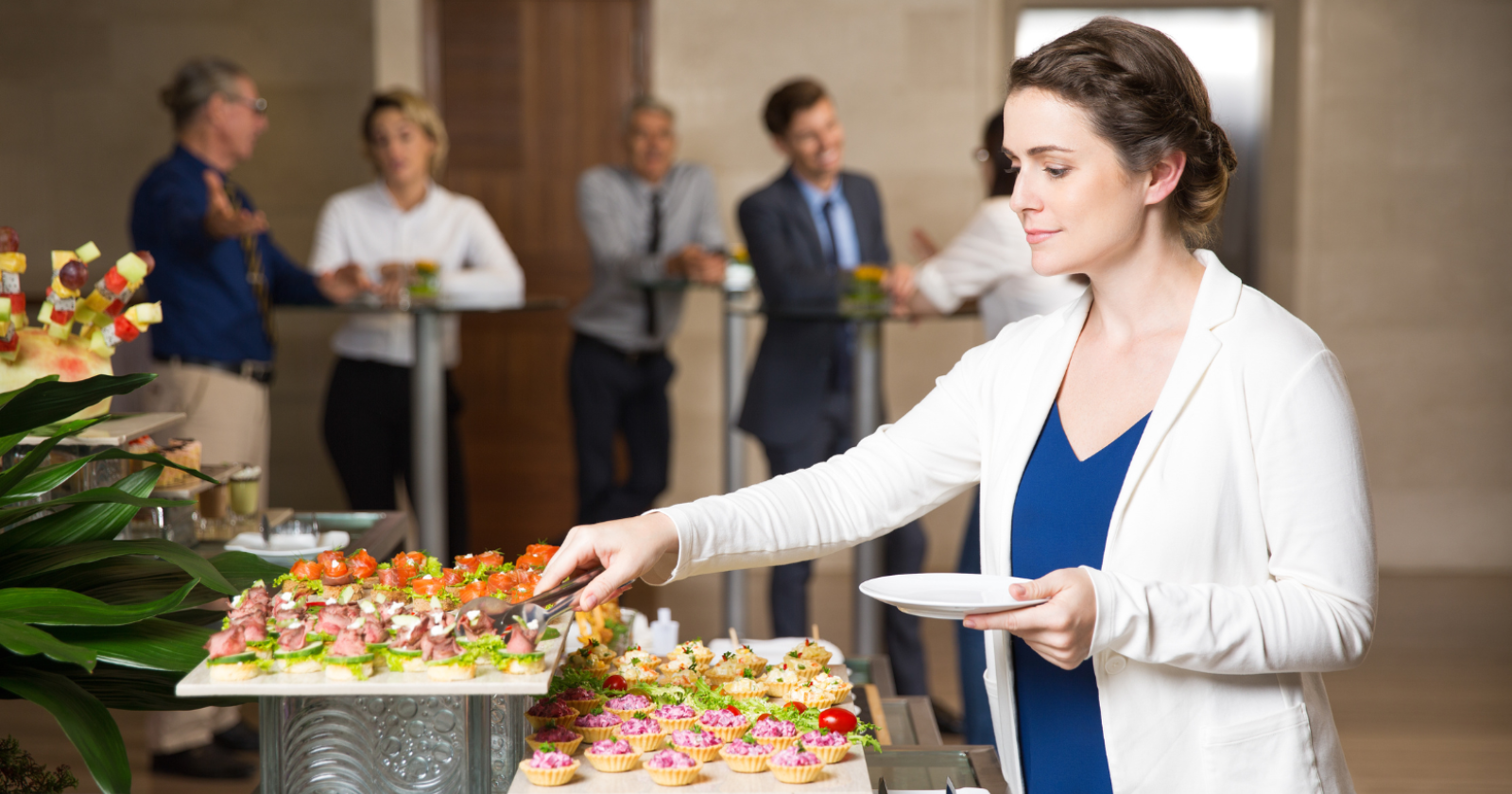
I was having coffee in a hotel lobby last week when I noticed something fascinating at the breakfast buffet.
A well-dressed couple approached the spread with quiet confidence, selected what they wanted, and sat down without fanfare.
Minutes later, another couple arrived and immediately started loading multiple plates, wrapping pastries in napkins, and making several trips back and forth. The staff exchanged knowing glances.
After decades of business travel and countless hotel stays, I’ve observed how breakfast buffets reveal deeper patterns about class anxiety and social insecurity.
Hotel staff see these behaviors every day, though they’re too professional to comment. The irony? The very behaviors people adopt to maximize value or appear sophisticated often signal the opposite.
What struck me most was how predictable these patterns are. They’re not about being cheap or hungry. They’re about people navigating unfamiliar territory with habits formed by scarcity mindset and social uncertainty.
The breakfast buffet becomes a stage where class insecurities play out in small, telling gestures.
1) They treat it like their last meal
Watch someone pile their plate impossibly high at a hotel buffet, and you’re seeing scarcity mindset in action. Multiple proteins, several pastries, fruit balanced precariously on top. They’re not just hungry. They’re responding to abundance with the habits of scarcity.
I understand the impulse. When you’ve paid good money for a room that includes breakfast, the temptation to “get your money’s worth” is strong.
But hotel staff notice immediately. They see the difference between someone enjoying a hearty meal and someone approaching the buffet like a competitive sport.
The behavior reveals itself in the hurried movements, the anxious glances to see if anyone’s watching, the defensive posture when returning for thirds.
It’s exhausting to witness and even more exhausting to perform. The real tell? They rarely finish what they take.
2) They pocket food for later
Nothing catches staff attention faster than watching someone wrap croissants in napkins and slip them into a purse or pocket. I’ve seen people fill coffee cups with cereal, stuff muffins into jacket pockets, and even bring ziplock bags for fruit.
The psychology here runs deep. It’s not really about saving three dollars on lunch. It’s about seizing an opportunity that feels too good to pass up. Free food triggers something primal, especially when you’ve grown up watching every penny.
But here’s what people miss: Staff are specifically trained to watch for this. They know every trick.
They’ve seen the fake yawn while palming a Danish, the newspaper used to conceal wrapped bagels, the child sent to grab “just one more” apple. It diminishes you in ways that three saved dollars never justify.
Ever notice someone stationed by the omelet bar or fresh waffle maker like they’re guarding territory? They’re not just waiting their turn. They’re making sure they don’t miss out on what they perceive as the “expensive stuff.”
I watched a man recently who ordered three custom omelets in succession, eating them at the bar rather than risk missing the chance for another.
The chef’s practiced patience told me this wasn’t unusual. The hovering, the multiple orders, the inability to step away from the “premium” stations. Staff see it daily.
The behavior stems from a mental accounting that assigns different values to buffet items. Regular eggs? Basic. Made-to-order omelet? Premium.
Must maximize premium. It’s the same thinking that drives people to fill up on shrimp at wedding buffets while ignoring the salad.
4) They loudly discuss the value
“This would cost thirty dollars if we ordered it from the menu!”
I heard this exact phrase last Tuesday, spoken loud enough for half the dining room to hear. The couple then proceeded to calculate, audibly, how much money they were saving with each item they selected.
This performance isn’t really about math. It’s about justifying the hotel choice to themselves and anyone within earshot. It’s about transforming a simple breakfast into a victory over the system.
Staff recognize this immediately as overcompensation for class anxiety.
People secure in their position don’t need to announce their savings. They don’t need witnesses to their financial acumen.
The loud value calculations, the commentary about prices, the comparisons to restaurant costs. These are signals of discomfort with being in that space at all.
5) They make multiple reconnaissance trips
Before committing to any food choices, they do several complete loops around the buffet. Not a casual assessment, but a detailed inventory. They’re mapping every option, calculating optimal strategies, worried they’ll miss something or make a suboptimal choice.
This isn’t about dietary restrictions or preferences. It’s about the anxiety of choice when you’re not accustomed to abundance. The multiple tours, the hesitation at each station, the visible stress about decisions. Staff see this dance every morning.
The reconnaissance missions often include commentary to companions about what’s available, what’s fresh, what looked better yesterday. It turns breakfast into a strategic operation rather than a meal.
6) They compete for freshness
When new food arrives from the kitchen, they abandon half-eaten plates to rush over. They hover near empty trays, waiting for the refresh. They ask staff repeatedly when new items will be brought out.
I observed a woman last month who timed her entire meal around the fresh fruit delivery she’d overheard staff discussing. She wanted to ensure she got “the good strawberries” not the ones that had been sitting out.
This freshness obsession isn’t about food safety or quality. It’s about not being the person who gets the leftovers, the dregs, the picked-over remains. It’s a zero-sum mentality where someone else’s gain is your loss.
7) They bring tupperware or containers
I couldn’t believe it the first time I saw it, but some people actually bring their own containers to breakfast. They’ll fill them discretely, thinking they’re being clever about it.
The staff notice immediately. They’ve seen every variation. The coffee cup filled with yogurt. The water bottle stuffed with bacon. The laptop bag with a hidden compartment for muffins. It’s not subtle. It’s never subtle.
This goes beyond pocketing a piece of fruit. It’s premeditated, planned, and deeply revealing about someone’s relationship with scarcity and opportunity.
8) They treat staff like obstacles
The way someone interacts with buffet staff tells you everything. Lower middle class anxiety often manifests as either excessive deference or defensive rudeness. Neither is natural. Both are noticed.
They avoid eye contact while taking too much, as if invisibility makes it acceptable. Or they’re overly familiar, trying to establish they belong there. They see staff as judges rather than service providers, which creates awkward, tense interactions.
Watch someone comfortable in that environment. They’re polite but not obsequious. They thank staff without over-explaining their choices. They treat them as professionals, not as authorities to appease or obstacles to overcome.
9) They comment on other guests’ choices
- “Look how much she’s taking.”
- “He’s going back for thirds.”
- “They’re just wasting food.”
The running commentary on other guests’ behavior is projection of the highest order. They’re so conscious of being watched and judged that they assume everyone else is playing the same game.
I sat near a couple recently who spent their entire breakfast critiquing other guests’ selections and eating habits.
The irony of discussing someone else’s three plates while working through their own multiple trips was completely lost on them.
Closing thoughts
These behaviors aren’t character flaws. They’re learned responses to real economic pressures and class anxieties. The hotel breakfast buffet, with its temporary abundance and unfamiliar social dynamics, triggers deeply embedded patterns.
What makes this particularly poignant is that the very behaviors meant to maximize value or hide insecurity accomplish the opposite. Staff notice. Other guests notice.
And the stress of performing these routines diminishes whatever enjoyment might come from the meal itself.
The path forward isn’t about pretending to be someone you’re not. It’s about recognizing that true confidence comes from accepting what you can afford and enjoying it without apology or performance.
Take what you’ll eat. Eat what you take. Thank the staff. Enjoy your breakfast.
The buffet isn’t a test you can win or lose. It’s just breakfast.
