
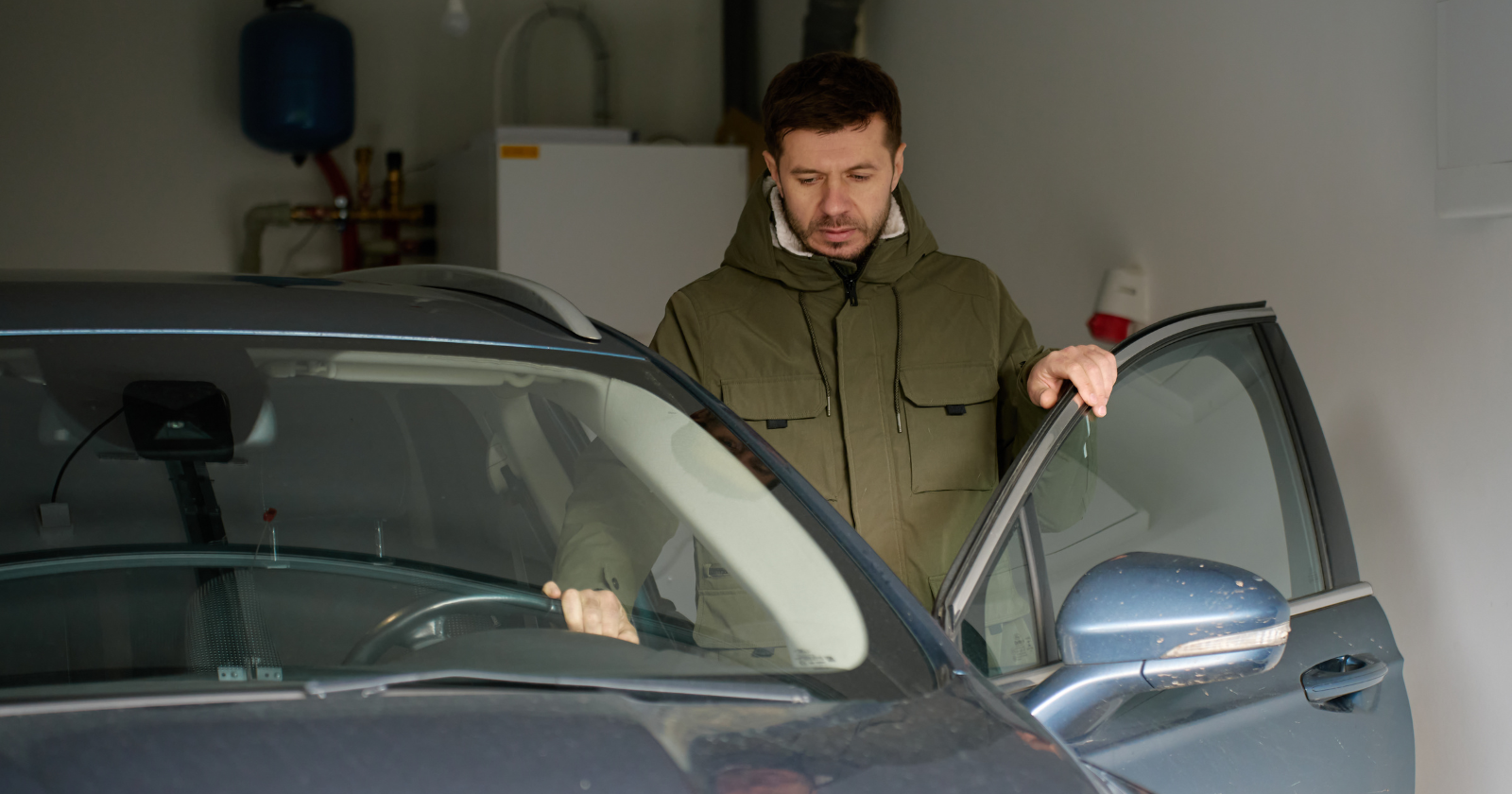
You know that moment when you’re driving through a neighborhood and you can instantly tell which families have their priorities straight?
Not from the size of the house or the year of the car, but from the small details that whisper their values louder than any conversation could.
I grew up around people who cared deeply about appearances, even when nobody would admit it. These unspoken rules shaped how I read the world.
Now, at 37, I’ve realized that driveways are like open books. Especially in lower-middle-class neighborhoods where every choice carries weight because nothing comes easy.
The driveway tells you what matters when resources are limited. What gets fixed first. What gets saved for. What gets ignored even when the neighbors notice.
1. The car that’s cleaner than the house windows
This family knows that mobility equals opportunity. That car isn’t just transportation; it’s their lifeline to better jobs, their kids’ education, their chance at something more.
When someone spends their Saturday morning detailing a ten-year-old Honda while the house needs painting, they’re not confused about priorities. They’re crystal clear. The car gets them to work. The car takes kids to practice. The car is possibility.
I’ve watched families skip home repairs to keep their vehicle running perfectly. Not because they don’t care about their house, but because they understand that losing reliable transportation in suburbs with no public transit means losing everything else.
This signals practicality over aesthetics. Function over form. Future over present comfort.
2. Multiple generations of bikes against the garage
Three bikes. Different sizes. Different decades. The oldest one has rust but still has air in the tires.
This is a family that doesn’t throw things away just because something newer exists. They understand that the twelve-year-old’s bike will fit the eight-year-old next year. They know that fixing is often better than replacing.
But here’s what it really tells you: this family invests in activities that cost nothing after the initial purchase. No monthly fees. No equipment upgrades. No travel teams. Just kids being kids on the same streets their parents rode.
They value simplicity and reject the constant upgrade cycle that drains so many family budgets.
3. The basketball hoop with the net worn to strings
That weathered hoop has seen thousands of games. After-school shootarounds. Weekend tournaments with kids from three blocks over. Parents shooting free throws after dinner instead of scrolling phones.
This family values time together over structured activities. No travel teams with their fees and politics. No driving an hour each way for “elite” coaching. Just kids playing until the streetlights come on.
The worn net tells you they’d rather have their kids home than impressive. They choose presence over performance, neighborhood over networking.
4. Tools visible through the garage window
Pegboard with organized wrenches. A workbench with actual work happening on it. Maybe an old truck on blocks that someone’s “getting around to.”
This signals self-reliance as a core value. Why pay someone $200 when you can fix it yourself for $20 in parts? This family trades time for money because they have more of the former.
These aren’t hobbyist tools bought for weekend warrior projects. These are necessity tools. The ones that keep the house running when calling a professional isn’t in the budget.
Growing up, I learned that the families with the most tools often had the least money, but their houses ran better than anyone’s.
5. The garden that feeds, not impresses
Tomatoes in buckets. Herbs in repurposed containers. Maybe some chickens if the city allows it.
This isn’t Pinterest gardening. This is grocery bill gardening. Every tomato grown is a dollar saved. Every herb picked is one less thing to buy.
These families understand that self-sufficiency isn’t a lifestyle choice; it’s survival. They remember parents or grandparents who did the same thing, who passed down the knowledge that land should produce, not just decorate.
The aesthetic might be mismatched, but the values are clear: independence, pragmatism, and the deep knowledge that you can’t eat lawn grass when times get tough.
6. Holiday decorations still up two months late
Those Christmas lights in February aren’t laziness. They’re exhaustion.
This family works multiple shifts, juggles kids’ schedules, manages elder care. Taking down decorations ranks somewhere below “sleep” and “eat” on the priority list.
But here’s what matters: they put them up in the first place. Despite everything, they made the effort to celebrate, to create joy, to mark the season. The delay in removal just means they’re choosing rest over appearances.
They value celebration over perception, effort where it counts over effort for show.
7. The folding chairs that come out every evening
Cheap chairs. Maybe mismatched. But they’re there every night after dinner, facing the street, not the backyard.
This family values community over privacy. They know their neighbors’ names, their problems, their kids’ teachers. They understand that security comes from relationships, not alarm systems.
While others retreat to backyards or finished basements, these families hold court in the driveway. Kids play while adults talk. Problems get solved. Resources get shared.
The chairs say: we’re available, we’re present, we’re part of something bigger than our individual household.
8. The “project car” that’s been there for years
It was going to be restored. Fixed up for the teenager. Sold for profit. But it sits, waiting for time and money that never quite align.
This represents optimism despite evidence. Hope over history. The belief that things will get better, that there will be time, that dreams don’t have expiration dates.
Critics see delusion. I see resilience. The ability to hold onto possibility when reality keeps demanding compromise.
That car is potential energy, stored and waiting. Its presence says this family hasn’t given up on better, even when better keeps getting postponed.
9. The dog run made from mixed materials
Chain link from one source. Posts from another. Maybe some pallets forming a barrier. It’s not pretty, but it’s solid.
This family prioritizes loyalty and care over aesthetics. The dog isn’t a status symbol; it’s family. And family gets taken care of, even if it means cobbling together solutions from whatever’s available.
The makeshift run says: we keep our promises. We protect what’s ours. We find ways to make it work.
Final thoughts
Driveways in lower-middle-class neighborhoods tell stories of values under pressure. Every choice reveals what survives when you can’t have everything.
These families aren’t choosing between good and bad. They’re choosing between good and good, necessary and necessary. The driveway shows you their answers.
Next time you drive through these neighborhoods, really look. Not with judgment but with recognition. These aren’t signs of lacking; they’re signs of choosing. And the choices tell you everything.
The cleanest car next to the messiest yard isn’t contradiction. It’s clarity.
The garden that’s all function, no form isn’t ugly. It’s honest.
The evening chairs facing the street aren’t nosiness. They’re investment in something money can’t buy.
These driveways show you families who’ve learned what actually matters when everything is earned, nothing is given, and every decision costs something else.
