
I was standing behind a woman at the checkout line last week when she did something that took me back forty years. She separated her items into two distinct transactions—one for the essentials covered by her benefits card, another for everything else. The cashier didn’t blink.
Neither did the woman. But the well-dressed couple behind me exchanged a look I recognized immediately.
That look told me everything about the invisible divide between those who grew up counting every dollar and those who never had to think twice about their grocery budget.
After decades of moving between different economic worlds, I’ve observed countless behaviors that feel perfectly natural to working-class shoppers but seem utterly foreign to those raised with financial security.
The grocery store, more than almost any other public space, reveals these class markers. It’s where necessity meets choice, where private struggles become briefly visible, and where decades of learned behavior play out in small, telling moments.
1) They know prices without looking
Watch someone who grew up with money shop for groceries. They glance at prices occasionally, maybe comparing two brands of olive oil. Now watch someone from a lower-middle-class background. They can tell you what milk costs at three different stores, which weeks certain items go on sale, and exactly how much prices have increased since last year.
This isn’t just about being frugal. It’s about survival programming that never fully goes away. When I started earning good money in my forties, I still knew the price of bread at every store within five miles.
My wife would laugh when I’d mention that butter was thirty cents cheaper across town. But when you’ve lived through times when thirty cents mattered, that knowledge becomes part of your operating system.
People who always had enough money treat prices as information. People who grew up stretching dollars treat them as boundaries.
2) They buy generic brands reflexively
There’s a particular shoulder movement I’ve noticed—a slight hesitation when someone reaches for a name brand, then that quick adjustment toward the store brand below it. It happens so fast most people miss it, but once you see it, you can’t unsee it.
Growing up, name brands were for special occasions or when the generic version had failed you too many times. You learned early which generics were identical to the expensive versions and which ones weren’t worth the savings. This knowledge was passed down like family recipes.
Even now, with a comfortable retirement, I find myself reaching for store brands first. It’s not about the money anymore. It’s about a value system that says paying extra for a label when the contents are identical is foolish.
My wealthy friends buy brands for consistency and convenience. Working-class shoppers buy generic as a point of pride—they know something others don’t.
3) They calculate while they shop
This is the one that wealthy people notice immediately and find most foreign. The running mental tally. The quiet math happening behind focused eyes. The small adjustments—putting something back, swapping for a smaller size—as that internal calculator keeps track.
I watched a man last month shopping with his teenage daughter. She’d add something to the cart, and he’d pause, that familiar distant look crossing his face as he recalculated. Not obviously, not dramatically.
Just that brief moment of mental arithmetic that those who’ve never worried about overdraft fees wouldn’t even recognize.
People who grew up with money might check their total at checkout out of curiosity. People who grew up without it know their total within a few dollars before they get there. It’s not a skill you forget, even when you no longer need it.
4) They shop the perimeter last
Fresh produce, meat, dairy—these are the expensive variables. The items that spoil. The purchases that require commitment. Lower-middle-class shoppers often start with shelf-stable center aisles, building their foundation of rice, pasta, canned goods.
Only after securing the basics do they venture to the perimeter to see what fresh items they can afford this week.
Wealthy shoppers do the opposite. They start with fresh ingredients and build meals around them. They shop with recipes in mind rather than survival. They can afford for things to go bad.
This pattern is so ingrained that even successful people who grew up poor often maintain it. The security of a stocked pantry matters more than fresh asparagus.
5) They use every discount method available
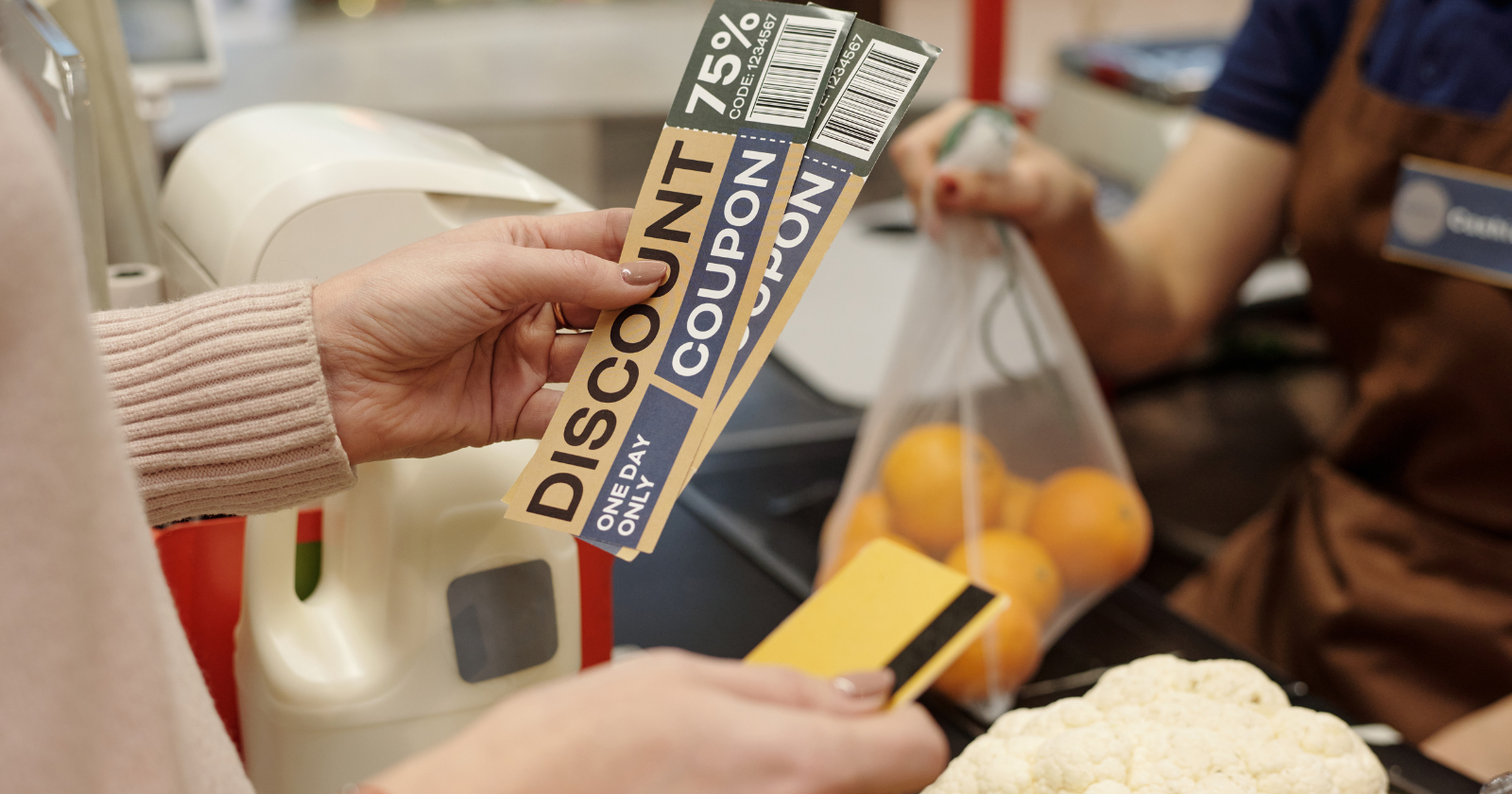
Coupons, apps, loyalty cards, rebates—working-class shoppers stack them all. They know which stores double coupons on Tuesdays, which apps give cash back, which loyalty programs actually save money. This isn’t hobby couponing. It’s systematic cost reduction born from necessity.
I once stood behind a executive at my local store who seemed genuinely confused when asked about his loyalty card. He didn’t have one. Didn’t want one.
The fifteen percent savings meant nothing to him. The woman behind him already had her card ready, her coupons organized, her phone app open to digital deals. Two different worlds, two feet apart.
6) They buy in cycles
Beginning of the month shopping versus end of the month shopping—if you know, you know.
The full cart when benefits arrive or paychecks clear. The strategic shopping as the month wears on. The creativity required in that final week before the cycle resets.
This cyclical pattern affects not just what people buy but how they shop. Early month shopping is about stocking up, buying bulk when possible. Late month shopping is surgical—exactly what’s needed, nothing more.
7) They check receipts immediately
Not casually, not later at home. Right there, before leaving the register area. Looking for overcharges, missed discounts, incorrect prices. This vigilance comes from experiences where a few dollar error meant something else couldn’t be purchased that week.
Wealthy shoppers might notice errors eventually, or not at all. Working-class shoppers catch them immediately because they have to.
8) They never waste food
The anxiety around food waste runs deep. Every leftover has a purpose. Every vegetable past its prime gets turned into soup. The freezer is organized like a filing system—oldest items in front, everything labeled with dates.
This isn’t environmental consciousness, though it has that effect. It’s the inherited trauma of scarcity, the deep programming that says wasting food is a moral failing.
People who grew up secure might feel bad about food waste. People who grew up without feel something closer to panic.
Closing thoughts
These behaviors aren’t flaws or quirks. They’re adaptations, learned responses to economic reality that become part of who we are. Even when circumstances change, these patterns often remain, like a dialect we never quite lose.
Understanding these differences matters. Not for judgment, but for recognition of how deeply our early experiences shape us. The next time you’re in a grocery store, pay attention. Notice the different ways people move through the same space. See how class backgrounds play out in small, everyday decisions.
The real insight isn’t about grocery shopping at all. It’s about recognizing that what feels normal to us might be completely foreign to someone else, and that both experiences are valid ways of moving through the world.
