
Retirement hit me like walking into a glass door I didn’t see coming. One day I was negotiating million-dollar contracts, the next I was standing in my kitchen at 2 PM wondering what people actually do with their afternoons.
The first few months were rougher than I’d anticipated. Not financially—I’d planned that part meticulously. But emotionally? I was unprepared for how much of my identity had been wrapped up in being needed, in solving problems, in having somewhere important to be.
The silence was deafening. My wife would find me reorganizing the garage for the third time that week, trying to manage my way through feelings I couldn’t name.
Then something interesting happened. Without planning it, I started picking up activities that seemed random at the time. A pottery class here, a bird-watching group there. Looking back now, I realize these weren’t just hobbies—they were medicine for wounds I didn’t know existed.
After watching dozens of my retired friends go through similar transformations, I’ve noticed a pattern. The hobbies that stick, the ones that truly transform people’s retirement years, aren’t just about filling time. They’re secretly healing parts of ourselves that decades of work left damaged or dormant.
1. Woodworking rebuilds your relationship with mistakes
Three years into retirement, I bought a basic set of woodworking tools. My first birdhouse looked like it had survived a hurricane. But here’s what surprised me: for the first time in forty years, making mistakes felt acceptable, even educational.
In my professional life, errors meant lost deals, damaged reputations, consequences that rippled for months. That pressure creates a perfectionism that seeps into your bones. You start avoiding anything where you might fail, which means you stop trying new things entirely.
Woodworking changed that. Every miscut piece of wood taught me something. Every wonky joint showed me what to adjust next time. The stakes were wonderfully low—nobody’s career hung in the balance if my bookshelf was slightly crooked.
This hobby quietly reprogrammed four decades of conditioning that told me mistakes were dangerous. Now I approach problems differently, with curiosity instead of dread.
2. Gardening restores your patience with natural timing
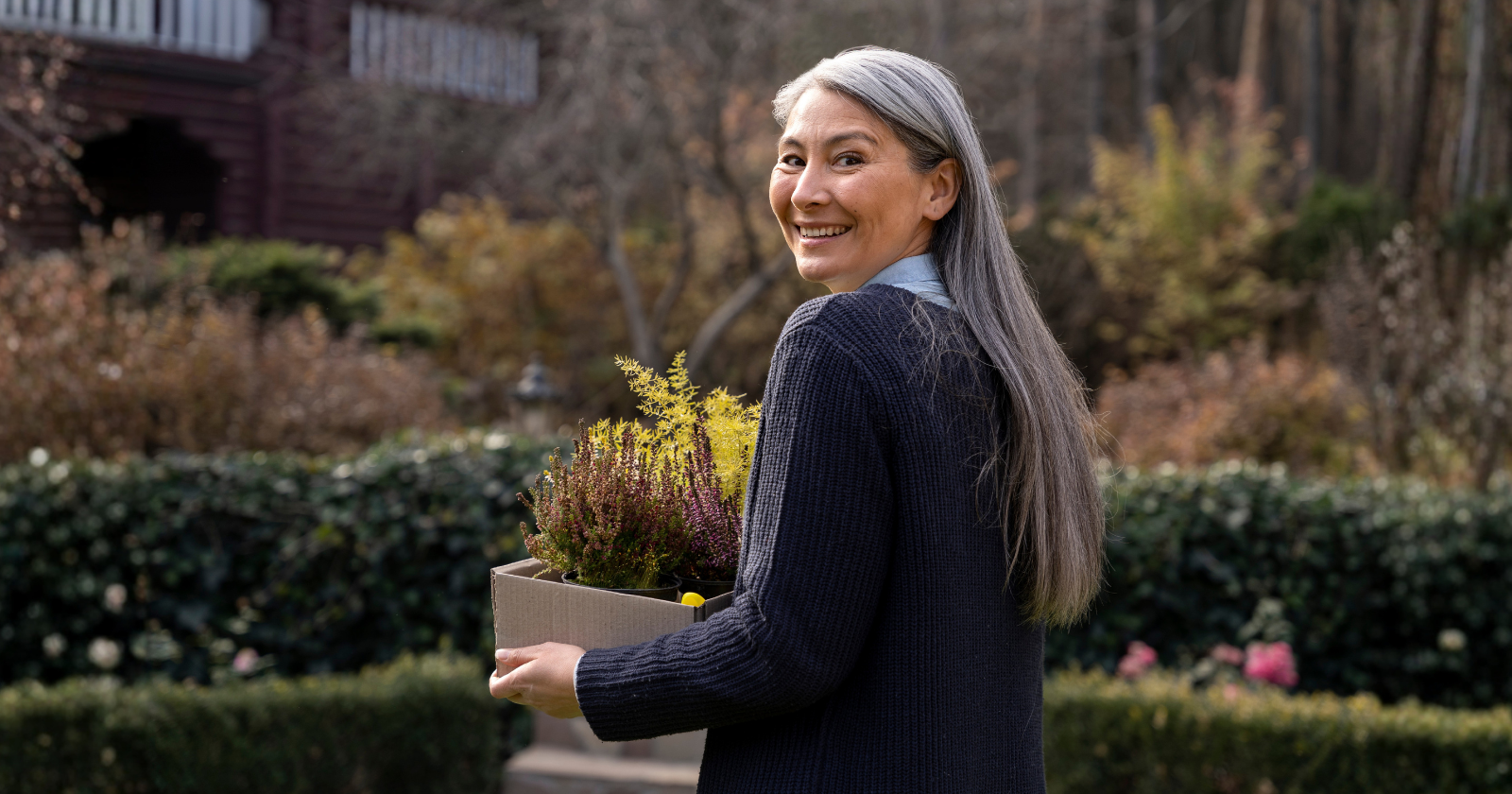
After decades of quarterly targets and artificial deadlines, gardening feels almost rebellious. You can’t rush a tomato plant. You can’t negotiate with seasons. You plant, you tend, you wait.
I started with a small vegetable patch, thinking I’d save money on groceries. What I didn’t expect was how profoundly it would shift my relationship with time.
Work had trained me to push harder when things moved slowly, to find ways to accelerate every process. But plants grow on their schedule, not yours.
This forced patience spills over into everything else. Conversations with my wife became less rushed. I stopped trying to speed through books to get to the next one.
Gardening teaches you that some of life’s best outcomes can’t be forced, only cultivated and allowed to unfold. For someone who spent forty years making things happen faster, this is revolutionary.
3. Writing processes decades of unexamined experience
I started writing thinking I’d share professional insights. What emerged instead were reflections on moments I’d never fully processed—the colleague who betrayed me, the deal that changed everything, the mentor who saw potential I didn’t see in myself.
Writing forces you to organize thoughts that have been jumbled in your head for years. It’s like cleaning out an attic you’ve been throwing things into for decades. Some of what you find is treasure, some is trash, but all of it needs sorting.
The healing happens in the sorting. Patterns emerge. You realize that promotion you didn’t get actually redirected your entire career for the better. That difficult boss taught you more about leadership than any management course.
Writing transforms random experiences into wisdom, confusion into clarity.
4. Photography changes how you see the ordinary
A friend gifted me a decent camera for my 62nd birthday. I almost returned it—what would I photograph? But I kept it, and it’s transformed how I move through the world.
Photography heals something work takes from you: the ability to be present.
For decades, I was always thinking three moves ahead, planning the next meeting while in the current one. The camera forced me to stop and actually see what was in front of me.
The way afternoon light hit my coffee cup. The expression on my wife’s face when she laughed at something on TV.
This hobby secretly repairs your capacity for wonder. You start noticing things—the pattern frost makes on windows, how shadows change throughout the day. It pulls you out of your head and into the actual moment you’re living.
For someone who spent a career in mental chess games, this return to simple observation is profoundly healing.
5. Learning an instrument rebuilds your comfort with being bad at something
At 63, I bought a guitar. The salesperson tried to hide his smirk. My fingers felt like sausages on the fretboard. The sounds I produced made the cat leave the room.
But here’s what learning an instrument does: it makes you a beginner again. After decades of being the expert in the room, the person others came to for answers, suddenly you’re the student who can’t play a simple chord progression.
This is harder than it sounds but more valuable than you’d expect. Being competent becomes part of your identity. You forget what it feels like to struggle with basics.
The guitar reminded me that growth requires accepting temporary incompetence. It’s humbling in the best way, stripping away the armor of expertise and letting you be vulnerable and new again.
6. Hiking groups heal your isolation without forcing intimacy
Men especially struggle with this after retirement. Work provided built-in social contact without requiring emotional vulnerability. When that disappears, isolation creeps in.
I joined a hiking group thinking I’d just get some exercise. What I found was the perfect level of companionship—walking naturally limits intense conversation, but the shared experience creates connection.
You’re together but not forced into awkward small talk. The focus is on the trail, not on managing social dynamics.
These walks healed a loneliness I hadn’t admitted existed. There’s something about moving through nature with others that creates bonds without the pressure of traditional socializing. We rarely discuss anything deeply personal, yet I feel genuinely connected to these people.
Sometimes healing happens not through talking about feelings but through sharing simple experiences.
7. Genealogy research reconnects you to your place in time
I started researching family history to create something for my kids. What I discovered was perspective on my own life that I desperately needed.
Finding out my great-grandfather also struggled with career transitions, that my grandmother reinvented herself three times, that resilience runs through our bloodline like a river—this contextualized my own challenges.
Retirement can make you feel like you’re disappearing, becoming irrelevant. Genealogy reminds you that you’re part of a longer story, a bridge between past and future.
This hobby heals the existential anxiety that retirement often triggers. You realize your professional achievements, while important, are just one chapter in a multigenerational narrative.
It’s oddly comforting to see your struggles reflected in ancestors who faced similar crossroads and found their way through.
Closing thoughts
These hobbies work because they address what retirement actually takes from us—not just purpose and routine, but deeper psychological needs we didn’t know our careers were meeting. They rebuild patience, humility, wonder, and connection in ways that feel natural rather than forced.
Jeanette Brown’s new course “Your Retirement Your Way” helped me understand this healing process more clearly. The course reminded me that retirement isn’t about finding activities to fill time—it’s about discovering parts of yourself that were dormant during your working years.
Jeanette’s guidance particularly resonated when she discussed how our beliefs about aging shape our actual experience. I wish I’d had this perspective when I first retired instead of stumbling through those early months.
The rule of thumb I’ve developed: choose hobbies that make you slightly uncomfortable. If it feels too safe, too familiar, it probably won’t heal anything. The magic happens when you’re awkward, uncertain, learning. That’s where the healing lives—in the space between who you were and who you’re becoming.
