
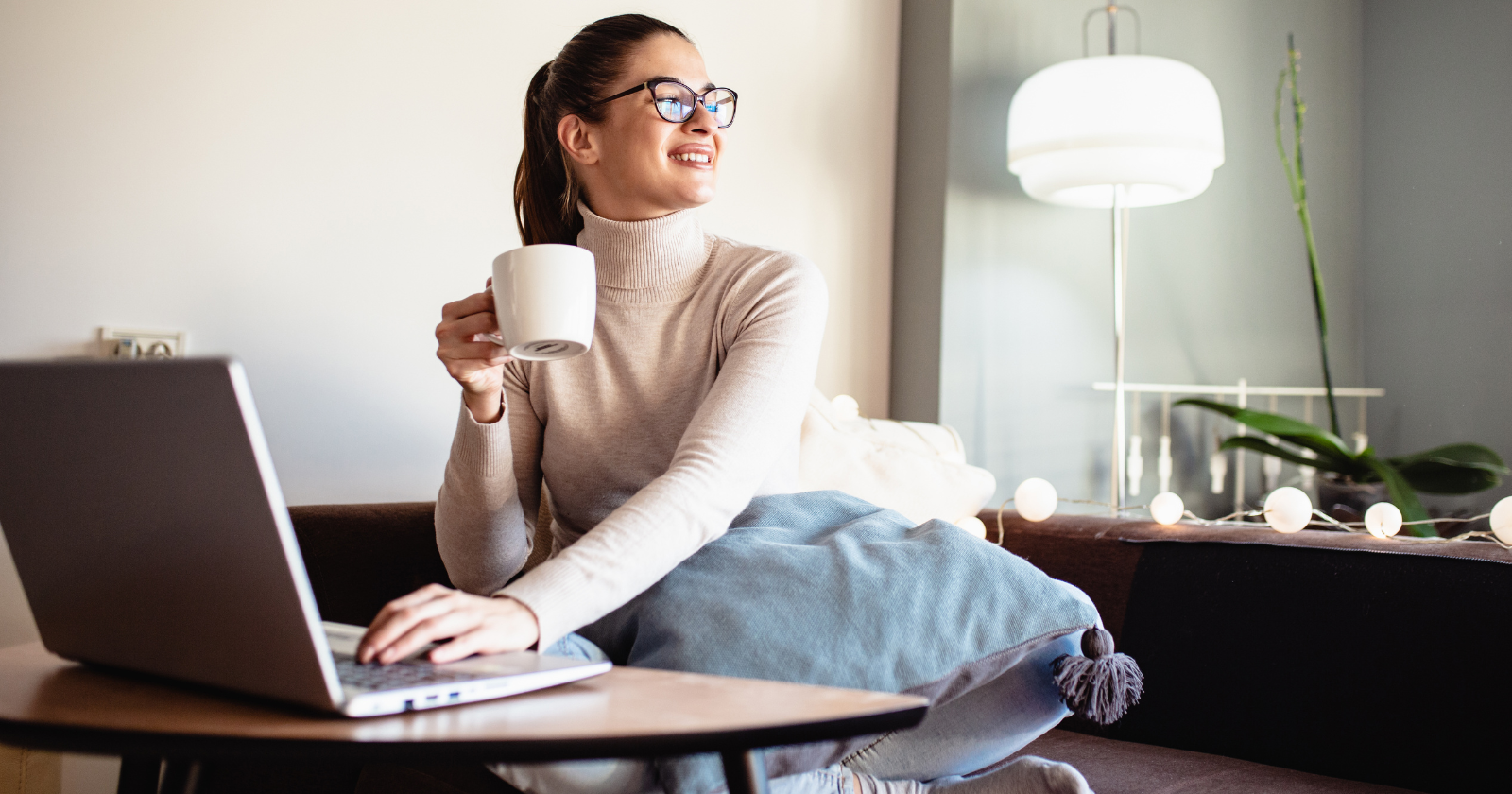
You’ve probably done it yourself—opened YouTube at 2 PM on a Wednesday, typed “study with me” or “work from home vlog,” and let a stranger’s productive morning wash over you like a digital sedative.
There’s something oddly magnetic about watching someone else arrange their desk, brew their coffee, and settle into focused work. The view count on these videos tells the story: millions of us are searching for something in these quiet glimpses of other people’s workdays.
At first glance, the appeal seems obvious. The aesthetic is pristine—minimalist desks, soft lighting, plants positioned just so. The background music hits that perfect frequency between present and forgettable. But here’s what I’ve noticed after years of studying workplace behavior and building team performance systems: the real draw isn’t the setup.
It’s the silence.
The missing ingredient in modern workplaces
Think about your last day in an office. Not the tasks you completed or meetings you survived, but the constant interruptions. The shoulder taps. The “quick questions” that derail your morning. The open floor plan that makes every conversation public property.
I maintain a document called “Excuses That Sound Like Reasons.” Near the top of that list? “I couldn’t focus because of all the distractions.” Except it’s not really an excuse when it’s structurally true.
Modern offices have engineered out the one thing our brains need most: uninterrupted stretches of time to think. We’ve replaced deep work with performative availability. Being seen at your desk matters more than what you produce there.
Then we stumble across these work vlogs, and something in our nervous system exhales. Here’s someone working for two straight hours without a single interruption. No Slack notifications visible. No one hovering. Just sustained, peaceful focus.
Kristi Phillips, a psychologist, puts it simply: “Our brains like order.” But it goes deeper than tidiness. We’re watching someone create and protect the mental space that most workplaces have made impossible.
Why watching beats doing
Here’s the paradox: we watch these videos while procrastinating our own work, yet somehow feel more productive afterward. That’s not an accident.
When you observe someone else in deep focus, your mirror neurons activate. You’re rehearsing concentration without the pressure of performance. It’s like watching cooking shows when you’re hungry—except instead of appetite, you’re feeding your need for calm productivity.
I discovered this pattern during a particularly chaotic project phase. My solution wasn’t another productivity app or time-blocking system. It was putting a “work with me” stream on my second monitor while I worked. The presence of another focused human—even through a screen—created a bubble of shared concentration.
The vlogs work because they show us what’s possible. Not through motivational speeches or productivity hacks, but through pure demonstration. Someone, somewhere, is doing focused work right now. No drama. No interruptions. Just progress.
The psychology of borrowed calm
Most productivity content sells urgency. Wake up at 4 AM. Hustle harder. Optimize every second. These vlogs do the opposite—they sell peace.
Dr. Houlden, a media psychologist, notes that “Vlogs have become almost aspirational, exposing them to new things that they could potentially achieve.” But with work vlogs, the aspiration isn’t about achieving more—it’s about achieving it calmly.
This is what modern workplaces have forgotten. Productivity doesn’t come from pressure. It comes from creating conditions where focus feels natural, not forced.
When I work from airport lounges or quiet hotel desks, I’m not chasing variety. I’m chasing that same quality these vlogs provide: anonymous focus. No one knows me. No one needs me urgently. I can just work.
Creating your own focus bubble
The mistake is thinking you need the perfect setup—the ring light, the mechanical keyboard, the succulent garden. That’s missing the point entirely.
What these vloggers actually have is boundaries. Their camera doesn’t show their phone. Their sessions have clear start and stop times. They’ve made their work visible but their availability invisible.
You can create this without becoming a content creator. Start with small experiments:
Work in 90-minute blocks with your phone in another room. Not on silent. In another room.
Find a corner in your space that’s only for focused work. Don’t answer emails there. Don’t take calls there. Train your brain that this spot means one thing.
Use what I call “borrowed presence”—put on a work vlog, but mute it after five minutes. The visual reminder of someone else focusing can anchor your own attention.
Most importantly, stop apologizing for needing quiet. Every morning, I write a quick note asking myself “What am I avoiding?” Often, the answer is protecting my focus time because it feels selfish. It’s not. It’s necessary.
The real productivity hack nobody talks about
Here’s what I’ve learned after years of working with high performers: the people who get the most done aren’t the ones who manage time better. They’re the ones who manage attention better.
And attention isn’t about willpower. It’s about environment.
Those work-from-home vlogs aren’t popular because we’re lazy or need motivation. They’re popular because they show us what we’re missing: permission to work without performance, focus without interruption, productivity without panic.
The calmness you feel watching them isn’t aspiration. It’s recognition. This is how work is supposed to feel.
Bottom line
Stop treating deep focus like a luxury. It’s not a productivity hack or an optimization strategy. It’s the baseline requirement for doing anything worthwhile.
If watching a stranger work in silence for two hours feels revolutionary, that’s not an indictment of you. It’s an indictment of what we’ve let work become.
Your next move isn’t complicated: Block two hours tomorrow. Turn off notifications. Tell people you’re unavailable. Then just work. No soundtrack necessary. No audience required. Just you and the task, the way it used to be before we forgot that the best work happens in the quiet spaces between the noise.
The work-from-home vloggers have figured out something crucial: productivity isn’t about doing more. It’s about doing less, but with complete presence. The camera is just proof that it’s possible.
Your job now is to prove it to yourself.
