
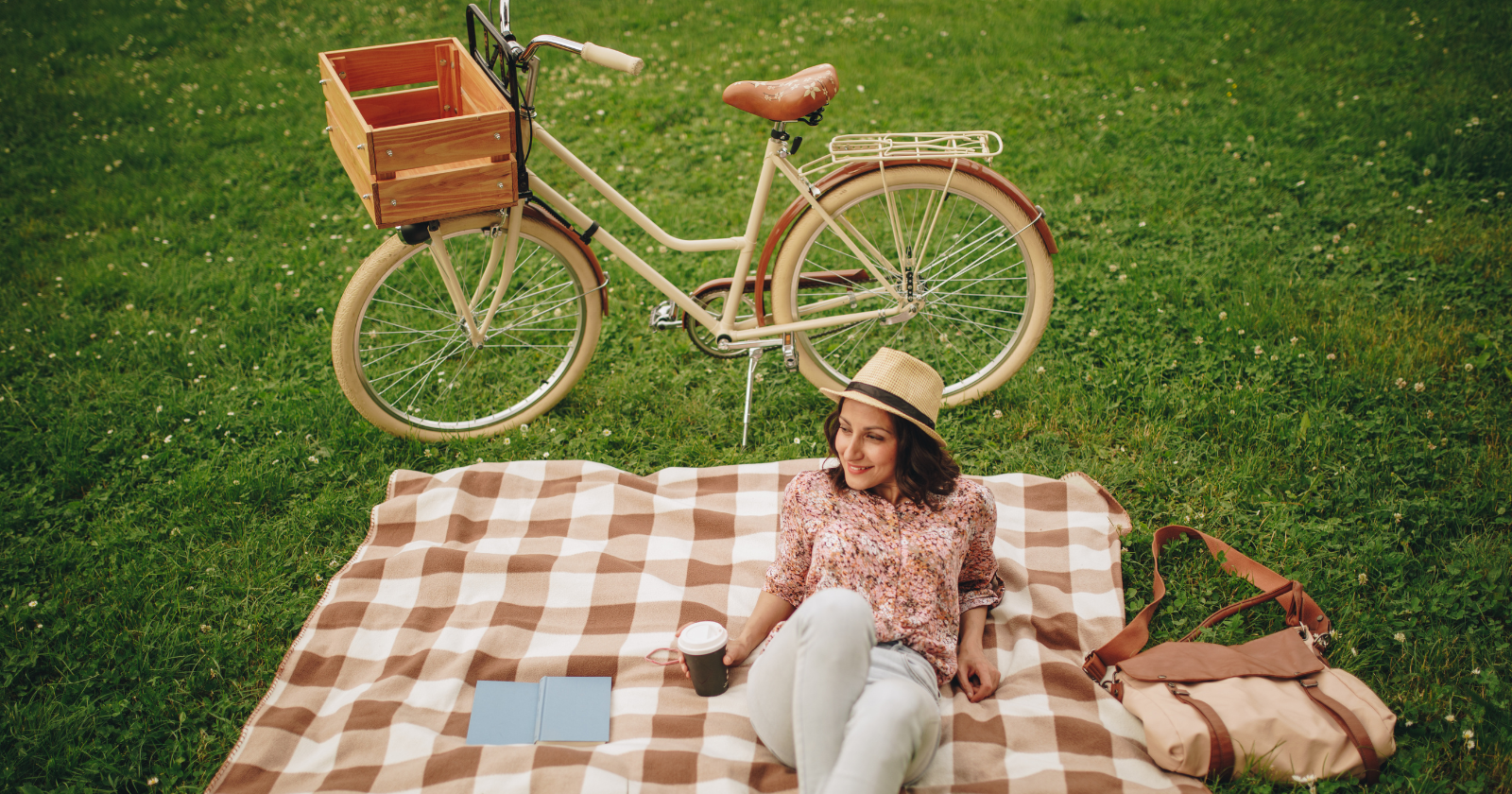
Most people think those who are happiest alone must be antisocial or damaged somehow. They picture lonely hermits or bitter misanthropes who’ve given up on humanity.
But after decades of observing human behavior in high-stakes negotiations and now in retirement, I’ve come to understand something different entirely.
The people who genuinely thrive in solitude aren’t running from the world. They’ve developed specific personality traits that make their own company not just bearable, but deeply fulfilling.
Psychology research backs this up, revealing that contentment in solitude isn’t about lacking social skills or avoiding people. It’s about possessing certain characteristics that most of us never fully develop.
At 64, having spent years in rooms where every word was calculated and alliances shifted like sand, I’ve learned to appreciate the profound difference between being alone and being lonely. The happiest solo dwellers I know aren’t missing something others have. They’ve cultivated something most people lack.
1) They possess remarkable self-awareness
Research shows that emotional intelligence is responsible for 58% of your performance in virtually any type of job. But here’s what’s interesting: people who are happiest alone have turned this intelligence inward. They’ve developed an acute understanding of their own emotional landscape.
These individuals don’t need constant external feedback to know how they’re doing or what they’re feeling. They’ve learned to read their own internal signals with the same precision most people reserve for reading others.
In my negotiating days, I watched colleagues who couldn’t stand five minutes alone with their thoughts. They needed the constant buzz of interaction to drown out whatever was happening inside. Those who thrive alone have made peace with their internal dialogue.
2) They treat solitude as creative fuel
Albert Einstein understood something profound when he said, “The monotony and solitude of a quiet life stimulates the creative mind”. People who are happiest alone don’t see empty hours as voids to fill. They see them as opportunities for creation.
During my long walks without destination, I’ve noticed how different thoughts emerge when you’re not performing for anyone, not managing impressions, not calculating responses. The mind wanders into territories it never explores in company.
Those comfortable alone have discovered this secret: solitude isn’t empty space; it’s where original thinking happens.
3) They practice genuine self-compassion
Dr. Kristin Neff puts it perfectly: “Self-compassion honors the fact that all human beings have both strengths and weaknesses. It acknowledges the reality that we are imperfect human beings who experience suffering, and are therefore worthy of compassion”.
Most people need others around to feel worthy of kindness. They’re harsh internal critics who soften only when someone else provides comfort. But those happiest alone have learned to be their own source of compassion.
They don’t need someone else to tell them it’s okay to make mistakes or that they’re doing their best. They’ve internalized that voice of understanding.
4) They’ve mastered emotional regulation
Here’s something that took me years to understand: “Allowing yourself to feel sad when you’re sad – instead of plastering on a smile – is healthier in the long run”. People who thrive alone have developed the ability to sit with difficult emotions without immediately seeking distraction or comfort from others.
In retirement, I’ve watched peers scramble to fill every moment with activity, unable to face the quieter emotions that emerge when the adrenaline of career pressure fades. Those comfortable alone don’t run from these feelings.
They’ve learned that emotions, even uncomfortable ones, pass through more cleanly when you don’t resist them or need someone else to help you manage them.
5) They maintain a growth mindset in isolation
Carol Dweck’s research reveals something crucial: “In a growth mindset, challenges are exciting rather than threatening. So rather than thinking, oh, I’m going to reveal my weaknesses, you say, wow, here’s a chance to grow”.
Most people need external motivation to push themselves. They need coaches, accountability partners, or competitive peers. But those happiest alone have internalized this growth drive.
They challenge themselves not for recognition or to impress others, but for the pure satisfaction of development. They’ve discovered that personal growth doesn’t require an audience.
6) They understand the power of reflection
Research demonstrates that “workers who reflect on their work for just 15 minutes a day perform better. In fact in one experiment, this group did a whopping 22% better having reflected for 15 minutes everyday for a month”.
Those who thrive in solitude have made reflection a cornerstone of their lives. They don’t need discussion groups or feedback sessions to process their experiences. They’ve developed internal mechanisms for reviewing, analyzing, and learning from their days.
In my quieter corners with a book, I’ve realized that some of the most valuable conversations you can have are with yourself.
7) They maintain iron-clad boundaries
Psychologist Jeffrey Bernstein notes that “Respecting the boundaries and autonomy of adult children is essential for fostering mutual respect and trust”. This principle extends far beyond parent-child relationships.
People happiest alone have boundaries that would make a diplomat envious. They don’t feel obligated to be constantly available. They don’t sacrifice their solitude to avoid disappointing others. They understand that saying no to social obligations isn’t selfish; it’s self-preservation.
After years in rooms where everyone wanted something, I’ve learned that the ability to protect your own space and time without guilt is a superpower most people never develop.
8) They’ve developed authentic self-sufficiency
This might be the most important trait of all.
True self-sufficiency isn’t about never needing anyone. It’s about being complete within yourself. These individuals have learned to be their own best company. They can entertain themselves, comfort themselves, motivate themselves, and celebrate with themselves.
In retirement, I’ve kept a tight circle of long-term friendships, but I no longer need constant social interaction to feel whole. The people happiest alone have discovered what many never do: you can be your own most reliable source of companionship.
Closing thoughts
Being happiest alone doesn’t mean being a hermit or misanthrope. It means having developed the internal resources that most people spend their entire lives seeking from others. These individuals still maintain relationships, but from a place of choice rather than desperation.
The practical rule of thumb? Start with just one hour of deliberate solitude this week. No phone, no distractions, just you and your thoughts. Notice the discomfort that arises and resist the urge to immediately fill the space. That discomfort is where growth begins.
The paradox is that people who are happiest alone often make the best company for others. They bring a groundedness, an authenticity, and a lack of neediness that makes their presence a gift rather than a demand.
They’ve learned what most never do: the person you spend the most time with in life is yourself, so you might as well make that relationship a good one.
