
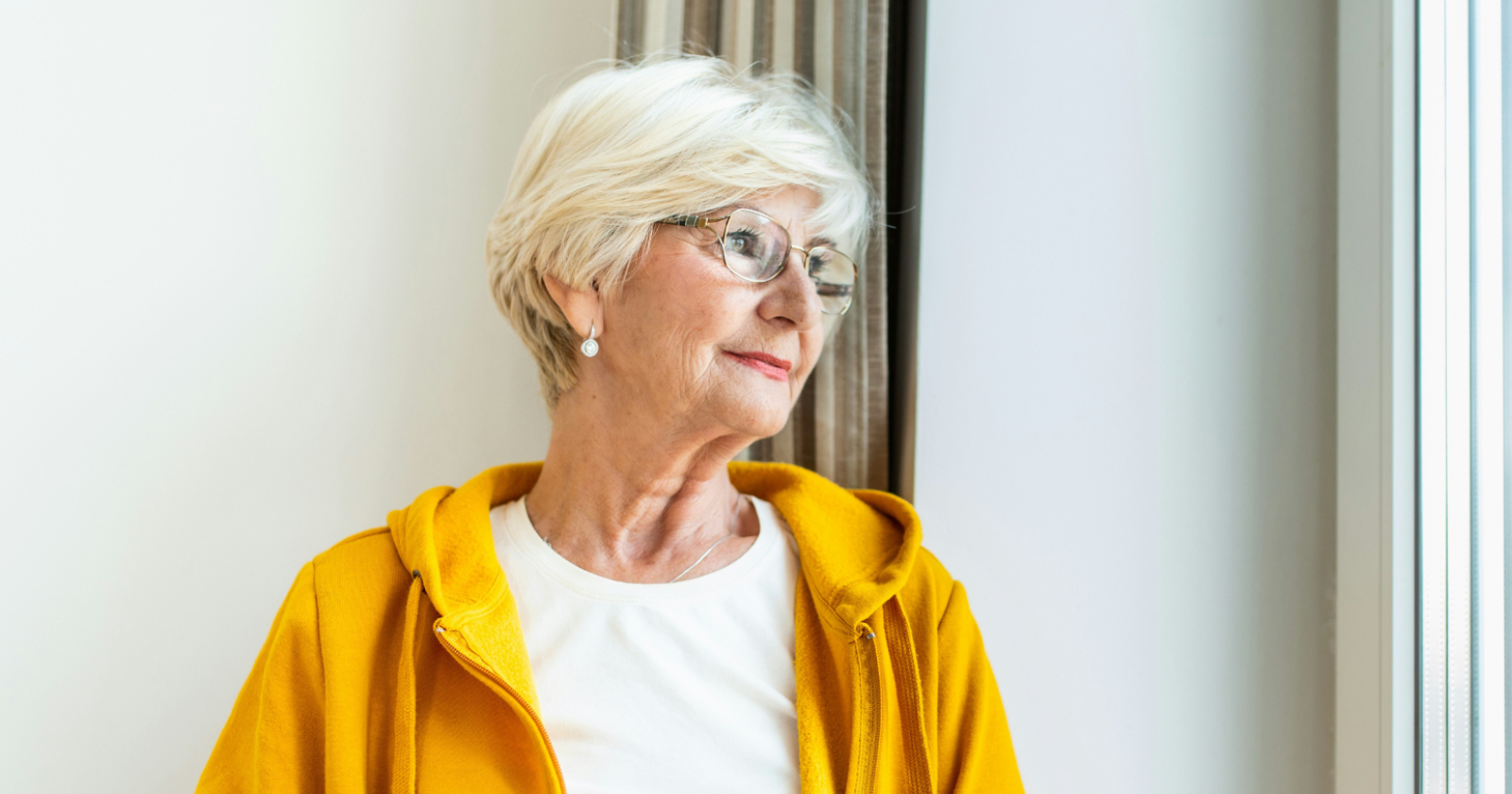
I’ve been watching myself pull back from the world lately, and it troubles me.
Last month, an old colleague invited me to a retirement party. Twenty people, good food, celebrating someone I’d worked with for years. I declined.
The month before that, I skipped a neighborhood gathering. Even my morning walks have shifted to quieter routes where I’m less likely to run into anyone I know.
At 64, I’m becoming the person I swore I’d never become: Withdrawn, isolated, preferring my own company to the point where days can pass without meaningful conversation beyond ordering coffee.
The concerning part is how natural this withdrawal feels. After decades of mandatory meetings, networking events, and workplace small talk, the silence feels earned.
But psychology research suggests this gradual withdrawal isn’t just a preference shift. It’s often driven by specific habits that slowly rewire how we engage with the world.
I’ve spent considerable time studying this phenomenon, partly to understand my own behavior, partly because it affects so many of us as we age.
The habits that lead to withdrawal are subtle, reasonable even. They sneak in disguised as self-care or wisdom. Before you know it, you’re living in a shrinking circle that feels simultaneously comfortable and suffocating.
Here are seven habits that psychology identifies as drivers of social withdrawal in later life. If you recognize yourself in these patterns, you’re not alone.
1) You’ve stopped initiating contact
When did I stop being the one who reaches out? I can’t pinpoint the exact moment, but somewhere along the way, I began waiting for others to call, text, or suggest plans.
This passive approach to relationships is one of the strongest predictors of social withdrawal. We tell ourselves we’re respecting others’ busy lives or that relationships should be reciprocal. Fair points.
But research shows that as we age, most people adopt this same wait-and-see approach, creating a standoff where nobody makes the first move.
The psychology behind this is complex. Part of it stems from fear of rejection, which oddly increases with age as we become more sensitive to social slights. Part comes from genuinely not knowing if we still matter to people once the forced proximity of work disappears.
I noticed this pattern when reviewing my phone. Months of received calls, very few outgoing ones. The relationships that survived were those where the other person happened to be more proactive. The rest simply faded.
2) You’ve developed rigid routines that exclude others
My mornings are sacred. Coffee, news scan, walk. Same route, same time, same solitary rhythm. This routine grounds me, gives structure to retirement days that could otherwise feel aimless.
But routines can become cages. Psychologists note that as we establish fixed patterns, we unconsciously design our days to minimize disruption, and other people are disruptions by definition.
We schedule activities during times when others are working. We choose solo pursuits over group activities. We protect our routines so fiercely that there’s no room for spontaneity or unexpected connections.
The irony is that we create these routines for stability and comfort, but they end up reinforcing isolation. Each day becomes a copy of the last, with fewer opportunities for the random encounters that keep us socially connected.
Every invitation now gets processed through a mental calculator: How much energy will this cost me? Is it worth it? Can I afford the recovery time?
This energy management makes sense. After 60, we’re more aware of our limits, less willing to push through exhaustion for social obligations. We’ve earned the right to be selective.
The more we use energy conservation as a filter, the lower our social energy reserves become.
It’s like a muscle that atrophies. We assume we’re saving energy for important things, but we’re actually reducing our capacity for social engagement overall.
I catch myself doing this calculation constantly. A dinner invitation becomes a mental spreadsheet of driving time, parking hassles, late night recovery. Usually, staying home wins. Each time it does, the next invitation feels even more daunting.
4) You’ve stopped sharing real thoughts and feelings
Somewhere along the way, I became an expert at surface-level conversation. Weather, headlines, safe observations. The deeper stuff stays locked away.
This emotional withdrawal often begins as self-protection. We’ve been burned by oversharing, judged for our opinions, or simply grown tired of explaining ourselves. So we develop a public persona that reveals nothing while seeming engaged.
Psychologists identify this as “social masking,” and it’s exhausting.
When every interaction requires performance rather than genuine connection, we naturally seek to minimize those interactions. Why endure the effort of pretending when solitude requires no mask?
The cruel irony is that meaningful connections require vulnerability. By protecting ourselves from potential judgment or misunderstanding, we eliminate the possibility of real relationship.
5) You prejudge new experiences as “not worth it”
A friend recently invited me to try pickleball. My immediate thought: “Too old for that nonsense.” I didn’t even consider it.
This prejudgment habit becomes our default filter. New restaurant? Too loud. Book club? Too much commitment. Volunteer opportunity? Too complicated. We dismiss possibilities before investigating them, based on assumptions about what we can handle or what might interest us.
Psychology calls this “cognitive rigidity,” and it accelerates with age unless consciously resisted. We think we’re being realistic about our preferences and limitations. Actually, we’re closing doors based on outdated assumptions about ourselves and the world.
Each prejudged “no” shrinks our world a little more. Eventually, nothing new seems worth the effort, and withdrawal becomes not a choice but the only remaining option.
6) You’ve embraced the “I’ve earned my solitude” narrative
After decades of mandatory socializing, forced workplace relationships, and obligatory family gatherings, solitude feels like a reward. We tell ourselves we’ve paid our social dues.
This narrative is seductive because it contains truth. We have earned the right to choose our company. We shouldn’t maintain relationships out of obligation.
When “earned solitude” becomes our primary story, it justifies increasing isolation.
The narrative becomes self-reinforcing. Each declined invitation proves we prefer our own company. Each quiet evening confirms that solitude is our reward for years of social labor. Eventually, the narrative becomes prophecy.
7) You mistake independence for isolation
“I don’t need anyone” has become my reflexive response to offers of help or company. This fierce independence feels like strength, like the culmination of a lifetime’s self-reliance.
But psychologists distinguish between healthy autonomy and defensive isolation. The first maintains boundaries while staying connected. The second builds walls that eventually become prison bars.
This habit often intensifies after retirement when professional identity disappears.
We compensate by proving we don’t need the structures, relationships, or validation we once relied upon. We confuse needing no one with wanting no one, until the distinction disappears.
The tragedy is that this extreme independence often masks fear. Fear of being a burden, fear of rejection, fear of discovering we’re no longer interesting or relevant.
By insisting we need nothing from others, we guarantee they’ll offer nothing, confirming our worst fears about our value in the social world.
Closing thoughts
Recognizing these patterns in myself has been sobering. Each habit made sense in isolation, seemed like wisdom or self-care. Together, they’ve been building walls I’m only now beginning to see.
The path back isn’t about forced socializing or pretending to be an extrovert. It’s about consciously interrupting these withdrawal patterns before they become permanent.
Tomorrow, I’ll make one phone call to initiate contact. This week, I’ll say yes to something my energy calculator would normally reject.
The research is clear: Social withdrawal in later life isn’t inevitable, but reversing it requires deliberate action against habits that feel protective but are ultimately destructive.
The choice is ours, and we make it fresh each day through small decisions that either open our world or close it further.
