
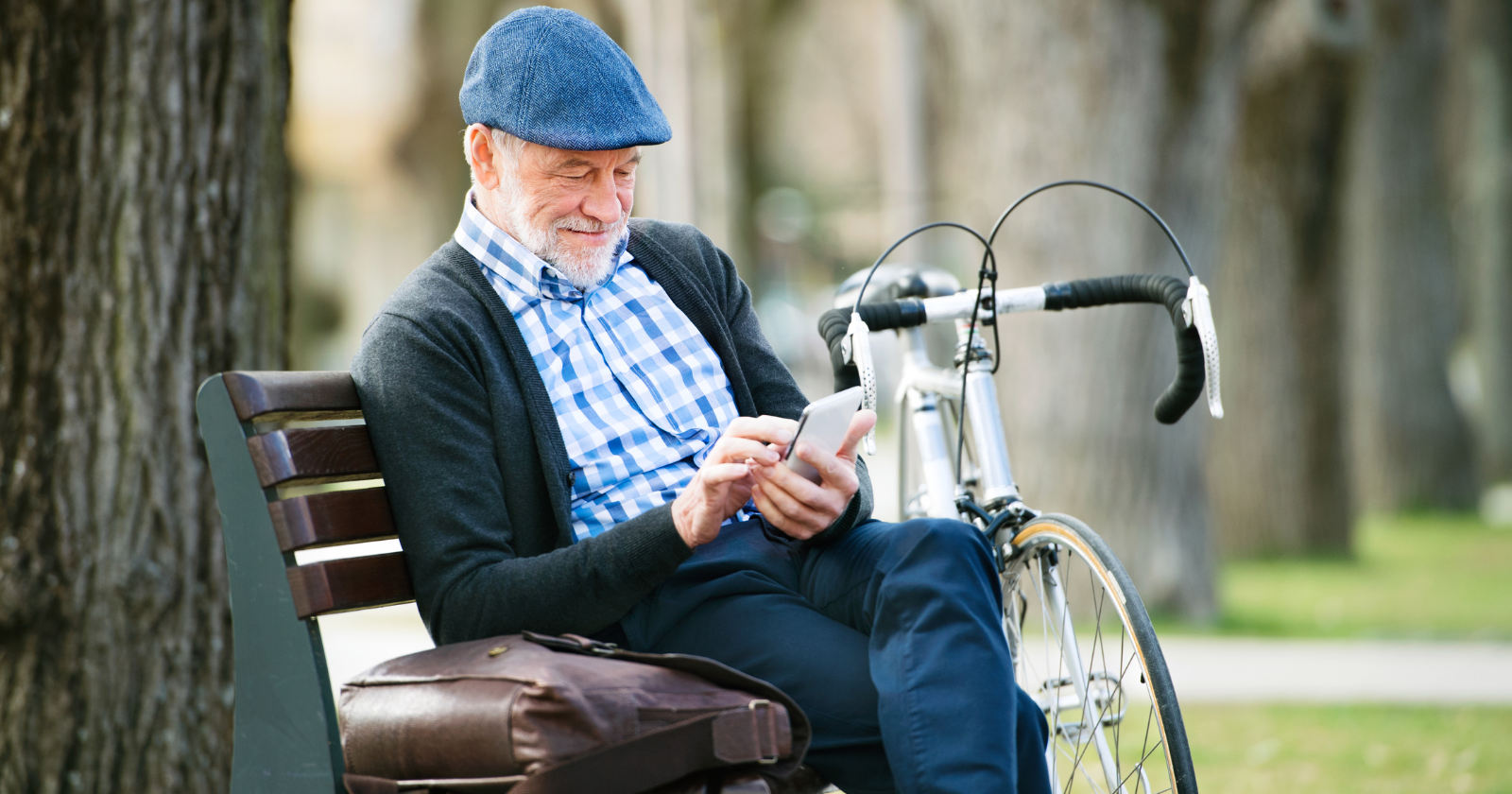
For forty years, I measured my worth by how fast I could move, how many deals I could close, how indispensable I could make myself.
Speed was survival in the negotiation rooms where I spent my career. Slowing down meant falling behind, losing relevance, getting replaced by someone hungrier.
Then retirement arrived, and with it, a terrifying question: Who was I without the constant urgency?
At first, I tried to maintain the pace. I filled my calendar with activities, treated hobbies like work projects, approached leisure with the same intensity I once brought to contract negotiations. The result? I felt more exhausted at 61 than I had at 51, chasing a phantom sense of purpose that kept slipping away.
Something had to change. Not because I read it in a self-help book or heard it from a wellness guru, but because my body and mind were staging a quiet rebellion. The aggressive scheduling, the constant push, the refusal to slow down—none of it was working anymore.
So I started experimenting. Small changes at first, then bigger shifts in how I structured my days. What I discovered surprised me: slowing down wasn’t surrender. It was strategy. The habits I adopted in my 60s didn’t diminish my life; they amplified it in ways that decades of rushing never could.
1) I walk without a destination
Every morning, I step outside without a route planned. No fitness tracker, no step goal, no predetermined endpoint. Just movement for its own sake.
This might sound trivial, but for someone who spent four decades treating every action as a means to an end, walking without purpose felt revolutionary. In negotiation rooms, every gesture had intent. Every pause calculated. Now I walk simply to walk.
What happens when you remove the goal from movement? You actually see things.
The architecture of houses you’ve passed a hundred times. The way morning light changes with the seasons. Your mind, freed from tracking metrics, starts processing thoughts differently. Problems that seemed intractable while sitting at a desk often untangle themselves somewhere around mile two.
Most days, these walks last an hour. Sometimes twenty minutes. The duration matters less than the practice itself: moving through the world without trying to conquer it.
2) I read books that have no practical value
My professional library consisted of negotiation tactics, behavioral economics, power dynamics. Every book served a purpose: gain an edge, understand leverage, close the deal. Reading was intel gathering.
Now I read Roman history, obscure psychology studies, biographies of people I’ll never meet in industries I’ll never enter. There’s no ROI on learning about Marcus Aurelius or understanding how memory works. No one’s going to quiz me on the details of the Peloponnesian War.
This “useless” reading has done something unexpected. It’s reconnected me to curiosity for its own sake.
When you read without agenda, your mind makes connections it wouldn’t otherwise make. You develop perspectives that aren’t tied to immediate application. The pleasure of learning returns, untainted by the pressure to monetize knowledge.
3) I let conversations run long
In business, time was currency. Meetings had agendas. Conversations had objectives. Even casual interactions were secretly transactional: building relationships that might prove useful later.
Now when someone wants to talk, I let them. No glancing at my watch, no mental calculation of what I could be doing instead. If a neighbor wants to discuss his garden for thirty minutes, we discuss his garden for thirty minutes. If the conversation naturally extends to his late wife, his children, his fears about aging, I stay present for all of it.
These unhurried conversations have revealed something I missed during my rushing years: most human connection happens in the overflow, the moments after the official business concludes. When you signal that your time is genuinely available, people share differently.
They tell you things that matter, not just things that fit into a scheduled slot.
4) I prepare meals like they’re events
Lunch used to be fuel. Fifteen minutes at my desk, barely tasting whatever I’d grabbed from the nearest place. Dinner was often delayed by calls that ran late, eaten while reviewing documents for the next day.
Now I cook. Not elaborate meals, but thoughtful ones. I shop for ingredients without rushing. I prep vegetables with attention. I set the table even when eating alone. The entire process might take an hour for a meal I’ll consume in twenty minutes.
This isn’t about becoming a food enthusiast. It’s about treating necessary activities as worthy of attention rather than obstacles to efficiency. When you slow down enough to actually taste your food, to appreciate the process of creating it, the entire experience of nourishment changes.
5) I sit still without input
Every morning, after my walk, I sit in my living room for twenty minutes. No book, no phone, no music. Just sitting. Watching the light move across the walls. Listening to the house settle. Feeling my breath slow.
In my working years, this would have been torture. Empty time was wasted time. Every moment needed to be productive, optimized, leveraged. Now I understand that these pockets of stillness aren’t empty at all. They’re where integration happens. Where the mind sorts through accumulated experience without conscious direction.
The resistance to stillness runs deep in anyone who’s been rewarded for constant motion. But learning to be comfortable with quiet, with non-productivity, with simply existing—this might be the most radical thing I’ve done in retirement.
6) I maintain friendships without networking
Professional relationships were chess pieces. Every connection had potential strategic value. Even genuine friendships carried a shadow of calculation: who could introduce you to whom, what doors might open, which alliances offered protection.
Now I invest in friendships that offer nothing except themselves. The retired teacher who shares my interest in history. The elderly couple who walk their dog at the same time I walk. These relationships exist purely for the pleasure of connection. There’s no angle, no leverage, no hidden agenda.
It took months to stop unconsciously calculating the “value” of social interactions. To stop seeing relationships through the lens of potential utility. But once that habit broke, something lighter took its place: actual enjoyment of other people.
7) I learn skills I’ll never master
At 62, I started learning Spanish. Not for travel, not for business, just because the language interested me. My pronunciation is terrible. My grammar remains shaky. At my current pace, I’ll need another decade to become conversational.
The old me would have quit or hired a tutor to accelerate the process. The current me enjoys the struggle. There’s something liberating about being bad at something without needing to become good at it. About learning for the texture of learning itself, not the destination.
8) I accept declining energy without panic
Here’s what no one tells you about slowing down: your body is going to do it anyway. You can fight it, deny it, rage against it. Or you can work with it.
I have less energy at 64 than I did at 54. This is simply true. But instead of seeing this as failure or defeat, I’ve learned to allocate that energy more deliberately. Not every battle needs fighting. Not every opportunity needs seizing.
When you accept your limitations, you can work within them more skillfully than when you’re pretending they don’t exist.
Closing thoughts
The paradox of slowing down is that it doesn’t make you feel less alive, it makes you feel more present to the life you actually have. When you stop rushing toward some future state of completion or achievement, you start noticing the texture of your actual days.
I spent forty years believing that slowing down meant giving up, that reduced velocity meant reduced value. What I’ve learned in my 60s is that pace and purpose aren’t the same thing. You can move slowly and still move forward. You can reduce your speed and increase your depth.
The habits that make me feel most alive now would have felt like death to my younger self. But that younger self was running from something as much as toward something: the fear of irrelevance, of being ordinary, of discovering that without constant motion, I might disappear.
I haven’t disappeared. If anything, I’ve become more solid, more real, more myself than all those years of rushing ever allowed. The slowness isn’t surrender. It’s finally showing up for my actual life instead of racing past it.
