
Look, I’ll admit it: I was absolutely that person rolling my eyes at “kids today” and their problems.
I’d catch myself thinking how soft they seemed. How they couldn’t handle basic social situations without their phones. How they complained about pressures that felt manufactured.
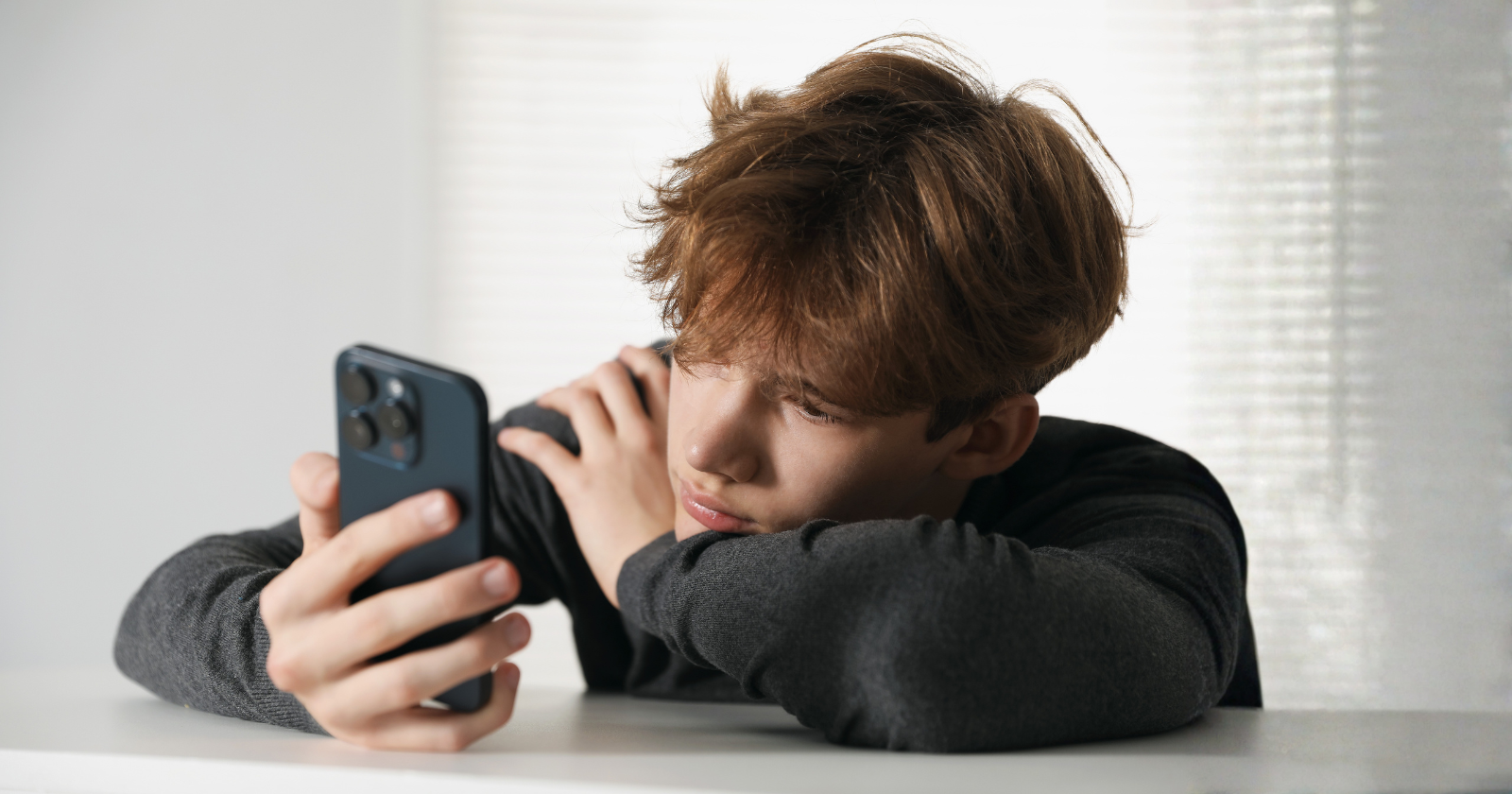
Then my cousin showed me her teenager’s screen time report.
Seven hours a day, just existing online.
Managing their image across five different platforms. Responding to group chats that never sleep.
That’s when it clicked: These aren’t the same pressures we grew up with because they’re entirely new beasts.
Growing up around people who cared deeply about appearances (though nobody would admit it), I thought I understood social pressure.
But watching young people navigate today’s landscape? It’s like comparing checkers to three-dimensional chess played simultaneously across multiple boards.
Here are nine pressures kids today face that simply didn’t exist when we were growing up.
1) Every mistake is permanent and searchable
Remember doing something stupid at 15? Maybe you said something ignorant at a party or dated someone questionable. For us, those moments dissolved into memory. Maybe a few people remembered. Maybe.
Today? Screenshots are forever.
That cringeworthy TikTok from middle school? Still findable.
The breakup drama that played out in Instagram comments? Archived somewhere.
College admissions officers and future employers have access to every poor decision since these kids got their first phone.
I keep notes on influencer language as a live laboratory for identity performance, and even “regular” kids are managing their digital footprints like Fortune 500 PR departments. At 14.
We knew where we stood socially, sure. But it was abstract. You had a general sense of your place in the hierarchy.
Now? Kids watch their social stock rise and fall in real-time through likes, views, and follower counts. Every post becomes a referendum on their worth.
Didn’t get invited to something? You’ll see it documented across everyone’s Stories within hours.
The cruelest part? The algorithms literally rank them.
Your content gets shown to more people if you’re already popular. The platform itself becomes a participant in the social hierarchy.
3) They’re competing globally from their bedroom
Our competition was local. You compared yourself to kids in your school, maybe your town. That was the entire universe.
These kids? They’re measuring themselves against the best-looking, most talented, most interesting people on the planet. Every scroll reminds them that someone younger is doing it better.
A 16-year-old in suburban Ohio is watching a 15-year-old in Seoul with perfect skin and a modeling contract. They’re seeing kids their age starting companies, going viral, getting rich from their bedroom.
The bar is in a different stratosphere.
4) Success means becoming a brand before becoming a person
We figured out who we were, then maybe built a career around it. The order mattered.
Kids today are building personal brands before they know who they are. They’re choosing aesthetics and niches at 13.
They’re curating their entire existence for public consumption during the years when they should be experimenting and failing privately.
Having a young child forced sharper priorities around time and attention, and watching them grow up in this environment terrifies me.
They won’t get the luxury of being nobody before deciding who they want to be.
When we needed a break, we could disappear. Turn off the phone. Skip the party. Take a mental health day.
Try that now: Miss one group chat and you’re out of the loop permanently, don’t post for a week and people assume something’s wrong, and take a social media break and watch your relevance evaporate.
The pressure to be constantly available and constantly performing is relentless. Even their downtime requires documentation.
6) Strangers judge their every thought
We shared our opinions with friends. Maybe we wrote them in a journal. If we said something controversial, we dealt with backlash from people we knew.
Post the wrong opinion now? Thousands of strangers might descend. Kids are getting dragged by adults for having teenage thoughts. They’re being “canceled” before their brains are fully developed.
The fear of saying the wrong thing has created a generation walking on eggshells in their own digital spaces.
7) Dating happens under public surveillance
Our relationships were private until we decided to make them public. First dates were between two people. Breakups happened without an audience.
Now everything is documented. The “talking” stage plays out in comment sections. Relationships are performed for content. Breakups require PR strategies.
I’ve watched teenagers navigate relationship drama while managing how it appears to their 500 followers. That’s a level of complexity we never dealt with.
8) Mental health became another thing to optimize
We were messed up too, but we didn’t have to perform our healing. Therapy was private. Working through issues happened behind closed doors.
Now, mental health is content. Being vulnerable gets likes. Healing journeys need aesthetic documentation. Even their struggles require curation.
The pressure to be simultaneously broken enough to be relatable but healed enough to be inspirational? That’s an impossible balance nobody should have to strike, especially not at 16.
9) They never got to be fully offline
This is the big one.
We knew life before the internet consumed everything. We had that reference point. We knew what boredom felt like, what silence sounded like, what it meant to be unreachable.
They don’t because this is their baseline: The constant noise, the perpetual performance, the relentless comparison—that’s not additional pressure for them.
They’re not choosing to be online. Opting out is social and practical suicide.
Final thoughts
I learned early that rules aren’t always spoken, but you still pay when you break them.
Kids today are learning this lesson on steroids; the rules change daily, they’re enforced by strangers, and the penalties are permanent.
So no, kids today don’t have it easier. They’re navigating a social landscape that would have broken most of us at their age. The pressures aren’t softer because they’re relentless, public, and unprecedented.
The next time you catch yourself thinking they’re being dramatic about their problems, keep in mind that they’re playing on expert mode while the whole world watches and judges every move.
We got to grow up. They have to grow up online. That difference changes everything.
