

Climate change is increasingly becoming a top concern for businesses worldwide. As companies strive to reduce their environmental impact, they are turning to data-driven solutions to help them make informed decisions about their energy usage, resource management, and emissions reductions. By leveraging data analytics and innovative technologies, businesses can not only improve their sustainability efforts but also gain a competitive edge in the market. This blog post will explore the ways in which data can transform your business’s response to climate change and help you achieve your sustainability goals.
Energy Efficiency and Renewable Energy
Improving energy efficiency and transitioning to renewable energy sources are among the most effective ways for businesses to reduce their greenhouse gas emissions. Data plays a crucial role in helping businesses understand their energy usage patterns and identify opportunities for improvement. By analyzing data on your business’s energy consumption, you can pinpoint inefficiencies, optimize your operations, and make more informed decisions about investing in energy-saving technologies.

Moreover, data can help businesses assess the viability of adopting renewable energy sources. Analyzing the Levelized Cost of Energy (LCOE) for various renewable technologies, such as solar, wind, and biomass, can provide valuable insights into the most cost-effective options for your business. Armed with this information, you can develop a comprehensive energy strategy that aligns with your sustainability goals and financial objectives. Here are some ways going green can save businesses money and attract new talent!
Energy Monitoring
One of the key ways in which data can help your business respond to climate change is through energy monitoring. By implementing advanced energy monitoring systems, you can track your energy consumption in real-time and gain a deeper understanding of how your business uses energy. This detailed information can help you identify inefficiencies, reduce energy waste, and prioritize investments in energy-saving technologies.
Furthermore, energy monitoring can help you measure the impact of your sustainability initiatives and track your progress towards your climate goals. By leveraging data from energy monitoring systems, you can demonstrate your commitment to sustainability to stakeholders, including customers, investors, and regulators.
Supply Chain Management
Climate change affects not only your business operations but also your entire supply chain. As a result, it is essential to assess and manage the environmental impact of your suppliers and partners. Data can play a critical role in helping you evaluate the sustainability performance of your supply chain and identify areas for improvement.
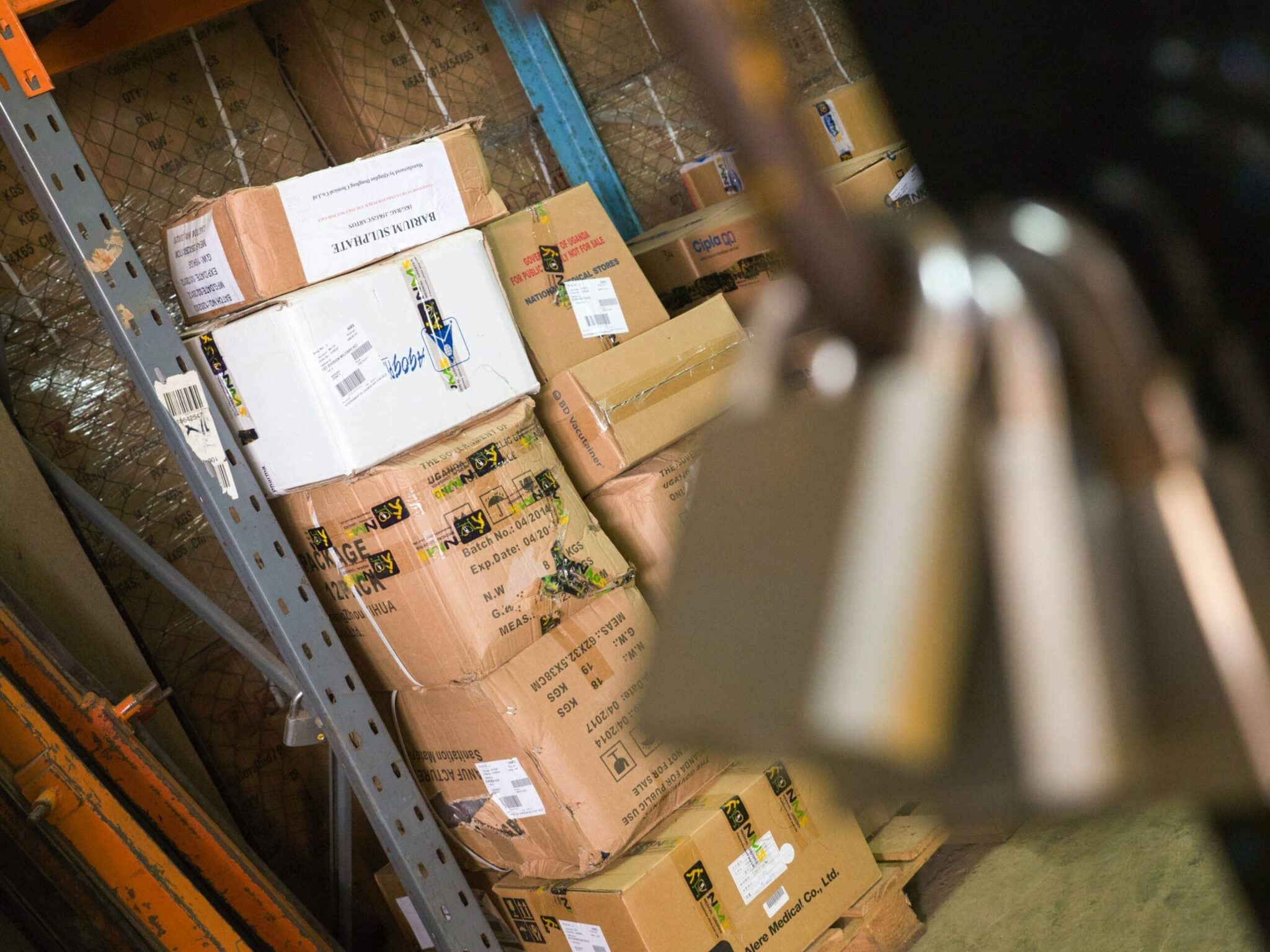
By collecting and analyzing data on your suppliers’ energy usage, emissions, and resource management practices, you can gain a comprehensive understanding of your supply chain’s environmental footprint. This information can help you collaborate with your suppliers to implement more sustainable practices, improve logistics efficiency, and reduce the overall impact of your business on the environment.
Risk Assessment and Adaptation
Climate change poses a variety of risks to businesses, including the potential for more frequent and severe weather events, disruptions to supply chains, and regulatory changes. Data can help businesses better understand and manage these risks, enabling them to develop more resilient and adaptive operations.
By leveraging data from a range of sources, including climate models, historical weather data, and market trends, businesses can develop sophisticated risk assessments and identify potential vulnerabilities in their operations. This information can then be used to implement targeted adaptation measures, such as upgrading infrastructure, developing contingency plans, and investing in innovative technologies that can help your business withstand the impacts of climate change.
- Top 5 Ways To Use Free Public Wi-Fi In A Secure Way
- Streamlining Online PDF File Comparison: Embracing Trendy Strategies
- The Ultimate iPhone Case Guide: Features, Protection & Customer Feedback
- Why Your Call Center Software Needs Live Chat and Video Calling Feature?
- The Top 10 VoIP Development Companies in the World Today
- Should Your App Be a Game or a Utility?
