
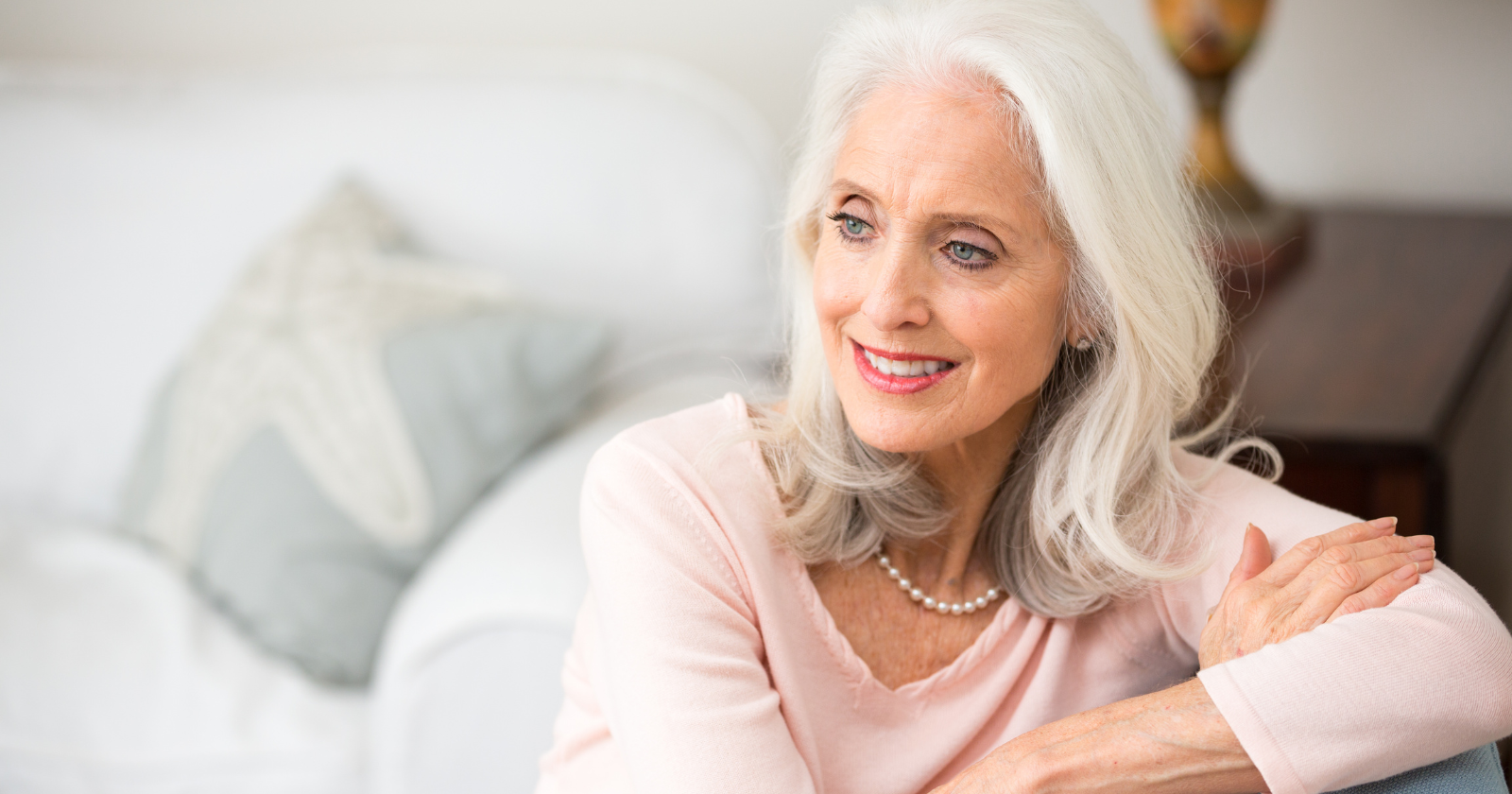
I was at my neighbor’s funeral last week when I saw her. Margaret’s sister, who I hadn’t seen in maybe fifteen years. She had to be pushing seventy, but something about her face stopped me cold. Not because she looked young—she didn’t.
But there was a lightness to her features, a certain openness around her eyes that made her beautiful in a way that had nothing to do with wrinkle creams or procedures.
Later that evening, I kept thinking about the contrast. Margaret had spent her last decade bitter about her husband’s death, carrying that grief like armor. Her sister had lost her husband too, three years earlier. Yet their faces told completely different stories. One had hardened into permanent disapproval. The other had somehow softened into grace.
This got me thinking about something I’ve observed repeatedly since retiring: the women who look most beautiful in their sixties aren’t the ones with the best genetics or the most expensive skincare routines. They’re the ones who’ve learned to put down emotional weight that most of us don’t even realize we’re carrying.
The invisible burden that shows up on your face
Here’s what most people miss about aging faces: they’re not just recording time, they’re recording emotional patterns. Every time you clench your jaw against saying what you really think, every moment you furrow your brow in worry about things you can’t control, you’re literally etching those emotions into your face.
Erika Rosenberg, Ph.D., a consulting scientist at the UC Davis Center for Mind and Brain, puts it perfectly:
“The permanent, vertical lines between my brows (glabellar furrows) are similar to the folds that appear when the brows are pulled together, which is Facial Action Coding System action unit 4 (AU4). AU4 is key to the upper face of anger. So these lines can make me look angry, even when I am not.”
Think about that. Your face is literally wearing the uniform of emotions you’ve practiced most often. And by sixty, you’ve had decades of practice.
The beautiful women I know in their sixties have figured this out. They’ve recognized that carrying old resentments, unprocessed grief, or chronic worry doesn’t just affect their peace of mind—it’s physically sculpting their faces into masks of those very emotions.
Why letting go changes everything
When I retired, I had to face something uncomfortable: how much of my identity was wrapped up in being useful and competent. For forty years, I’d carried the weight of being the reasonable one, the problem solver, the guy who never lost his cool. What I didn’t realize was how much tension that created in my face and body.
The shift happened gradually. Daily walks helped me process things instead of storing them. I started saying no to obligations that drained me. Most importantly, I stopped trying to fix everyone else’s problems.
Within six months, old friends started commenting. Not that I looked younger, but that I looked more relaxed, more present. My wife said I’d stopped doing that thing with my jaw—apparently I’d been clenching it for years without realizing it.
This mirrors what I see in women who age beautifully. They’ve stopped carrying their adult children’s problems. They’ve released old grievances against ex-husbands or difficult mothers. They’ve accepted that some relationships will never be what they hoped. And that release shows up first and most obviously in their faces.
The difference between resignation and release
Now, I want to be clear about something. I’m not talking about giving up or becoming passive. Resignation ages you faster than anything—it’s visible in the downturned mouth, the shuffling walk, the dimmed eyes of people who’ve decided life is over.
Release is different. It’s active. It’s choosing what deserves your emotional energy and what doesn’t. It’s recognizing that you can care about someone without carrying their burdens. It’s understanding that forgiveness is really about freeing yourself from the weight of resentment.
The women I know who’ve mastered this still have opinions. They still care deeply. But they’ve stopped wearing other people’s problems on their faces. They’ve learned that chronic worry about things beyond their control doesn’t help anyone, least of all themselves.
What stress really costs your face
Recent research from Biological Psychiatry: Cognitive Neuroscience and Neuroimaging found that acute stress enhances emotional face processing in the aging brain. In other words, stress doesn’t just affect how you feel—it changes how your face expresses and processes emotions.
I see this playing out constantly. Women who’ve held onto stress about their marriages, their finances, their health, wear it in tight lips, furrowed brows, and a general tension that no amount of makeup can hide. Those who’ve learned to manage their stress response look fundamentally different. Not younger necessarily, but more at peace.
And peace is beautiful at any age.
The cruel irony is that the very things we think will protect us—staying vigilant, worrying about our loved ones, holding onto grievances so we won’t be hurt again—end up etching themselves into our faces as permanent reminders of those negative emotions.
The practical side of emotional release
So how do you actually put down emotional weight you’ve been carrying for decades? From what I’ve observed, it happens in small, deliberate steps.
First, you have to recognize what you’re carrying. For me, daily walks became a time to notice what was creating tension in my body and face. What thoughts made my jaw clench? What worries pulled my brows together? Awareness is the first step.
Second, you have to decide what’s actually yours to carry. Your adult daughter’s marriage problems? Not yours. Your sister’s financial choices? Not yours. The resentment about how your mother treated you forty years ago? Definitely not worth carrying anymore.
Third, you need practices that help you process and release. For some women I know, it’s journaling. For others, it’s therapy or support groups. For me, it’s those daily walks where I can literally walk off the tension.
The women who look most beautiful in their sixties have found their own methods. What they share is the recognition that emotional baggage doesn’t just weigh down your spirit—it shows up on your face in ways that no skincare routine can fix.
Closing thoughts
After years of observing people age, I’ve come to believe that beauty in your sixties isn’t about defying time. It’s about not wearing your emotional history as a mask.
The women who understand this have discovered something cosmetic companies don’t want you to know: the most effective anti-aging treatment isn’t something you put on your face. It’s what you stop carrying in your heart.
Next time you look in the mirror and see those lines between your brows or around your mouth, ask yourself: what emotion am I practicing here? What weight am I carrying that’s literally reshaping my face? The answer might be the first step toward the kind of beauty that has nothing to do with looking younger and everything to do with looking free.
