
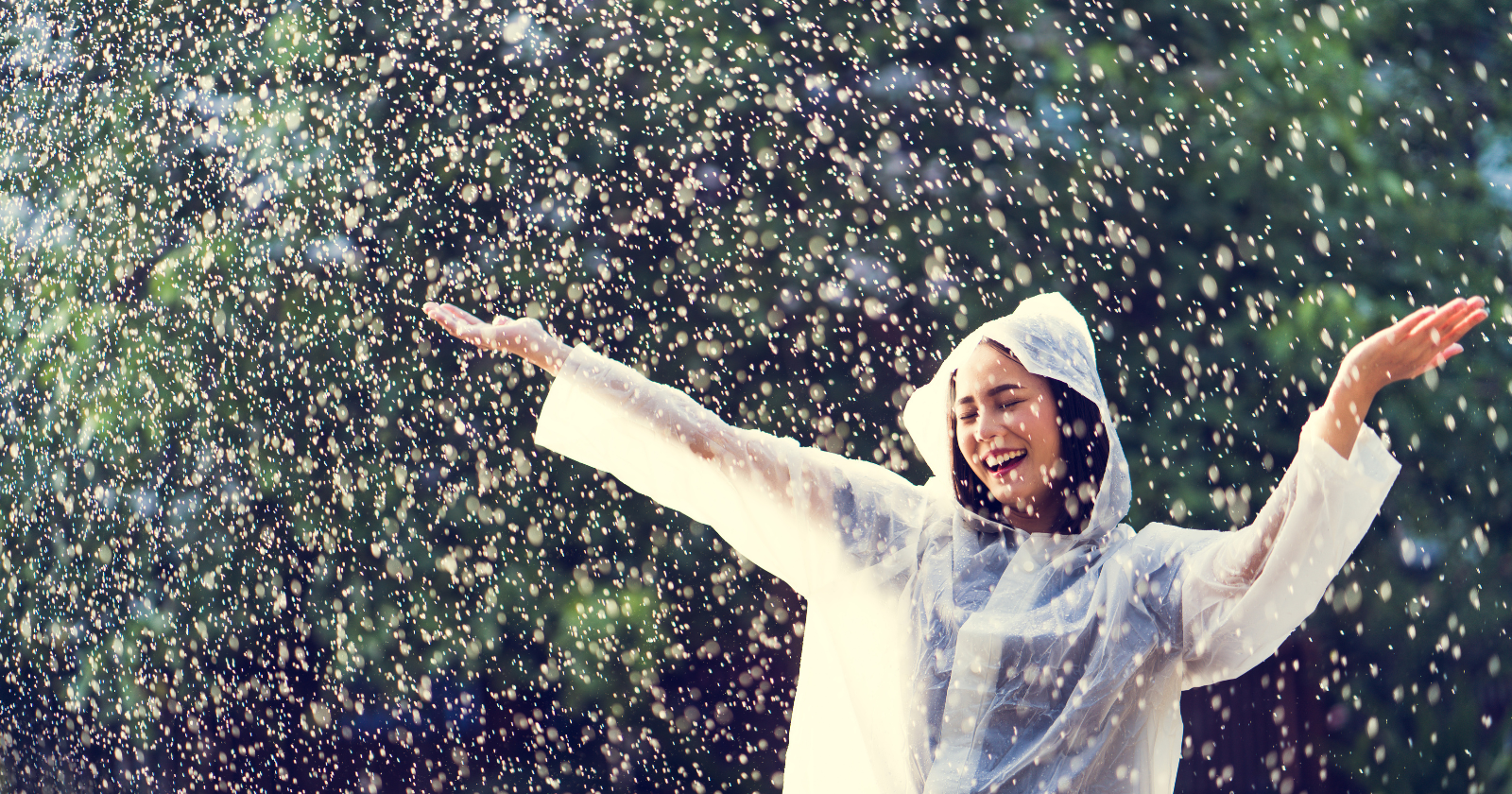
You know that specific quiet that arrives when rain starts falling? The way conversations soften, traffic slows, and everyone seems to move with less urgency?
I’ve always been drawn to these moments. While others scroll weather apps hoping for sun, I’m secretly pleased when gray clouds gather. There’s something about rainy days that feels more honest, less performance, more presence.
Turns out, there’s psychology behind this preference. Research suggests that people who genuinely prefer rainy days to sunny ones aren’t just being contrarian. They possess specific qualities that shape how they experience the world.
After diving into the research (and recognizing myself in most of it), here are the seven unique qualities that set rain lovers apart.
1) They have higher emotional depth
People who prefer rain tend to process emotions more deeply than average.
Psychologists call this “emotional granularity”, the ability to distinguish between subtle emotional states rather than lumping everything into “good” or “bad.”
Rain creates what researchers term “emotional congruence.” The weather’s complexity matches their internal landscape. They don’t need constant sunshine to validate their mood. They’re comfortable with emotional nuance.
I noticed this after having my daughter. Those early months were a blur of exhaustion and wonder. On sunny days, I felt pressure to match the weather’s energy: take her to the park, be productive, maximize the daylight.
But rainy days? They gave permission to slow down, to sit by the window and just exist together without the performance of “making the most of nice weather.”
This isn’t about being moody or melancholic. It’s about having the emotional range to appreciate different frequencies of experience. Rain lovers don’t need constant high energy to feel alive.
2) They score higher on creativity measures
There’s solid research linking rainy weather preference with creative thinking. A study from the University of Melbourne found that bad weather actually improves focus and boosts creative output.
Why? Sunny weather triggers what psychologists call “mood maintenance motivation.” When we feel good, we want to keep feeling good, so we avoid deep thinking that might disrupt our vibe.
Rain removes that pressure. It creates what researchers term “processing fluency”, a state where complex thoughts flow more naturally.
Creative people need this mental space. They’re not looking for distraction-free productivity; they’re looking for the right kind of ambient stimulation. Rain provides exactly that, enough sensory input to keep the mind engaged without overwhelming it.
Think about where most creative breakthroughs happen. Rarely at a beach party. Usually somewhere quiet, slightly melancholic, with just enough atmosphere to let thoughts wander and connect.
3) They’re more introspective by nature
Rain lovers tend to score higher on measures of introspection, the practice of examining one’s own thoughts and feelings. This isn’t narcissism; it’s self-awareness.
Sunny weather pulls attention outward. Social psychologists note that bright conditions increase social behavior and external focus. Rain does the opposite. It creates what researchers call an “introspective climate”, conditions that naturally turn attention inward.
People who prefer these conditions aren’t antisocial. They just recognize the value of internal processing. They use rainy days like I use long walks when my head gets loud, as a way to sort through mental noise without needing external validation or distraction.
This introspective tendency correlates with better decision-making, stronger sense of identity, and more authentic relationships.
When you know yourself deeply, you make choices that actually align with who you are, not who sunny-day culture tells you to be.
Here’s where it gets interesting. People who openly prefer rain are essentially declaring independence from a major social norm. “Nice weather” is supposed to make us happy. Preferring rain signals you’ve opted out of that expectation.
Research on “normative social influence” shows that people who resist one social norm tend to resist others too. Rain lovers have already decided they don’t need to perform weather-appropriate happiness. That same independence extends to other areas.
They’re the ones who leave the party early without apologizing. Who choose the quiet café over the trendy spot. Who admit they’d rather read than network. They’ve already broken the cardinal rule of weather preferences, why stop there?
This isn’t contrarianism for its own sake. It’s genuine preference that happens to go against grain. Once you realize your authentic preferences don’t match mainstream expectations, you stop trying to force the fit.
5) They demonstrate higher comfort with melancholy
Psychology distinguishes between sadness (a negative state) and melancholy (a complex emotional experience that can be pleasurable). Rain lovers get this distinction intuitively.
Researchers studying “sublime emotions” note that melancholy involves appreciation for life’s transience and complexity. It’s not depression, it’s emotional sophistication. The ability to find beauty in seemingly negative experiences.
Rain naturally evokes this state. It’s temporary, necessary, sometimes inconvenient, often beautiful. People who prefer it have learned to appreciate experiences that aren’t purely positive or negative.
Since having a child, I’ve noticed how this plays out. Sunny days come with playground politics, performance parenting, the pressure to maximize every moment.
Rainy days? We build blanket forts, read extra stories, let time move slowly. There’s melancholy in knowing these years are fleeting, but rain makes that feeling bearable, even beautiful.
6) They show stronger internal validation systems
People who prefer rain have typically developed what psychologists call an “internal locus of evaluation.” Their sense of wellbeing comes from within rather than from external conditions.
This shows up in research on weather and happiness. While most people’s moods correlate strongly with weather, rain lovers show minimal correlation. They’ve essentially weatherproofed their emotional state.
This internal validation extends beyond weather preferences. These are people who choose careers based on meaning rather than status. Who maintain friendships based on connection rather than convenience. Who structure their days around internal rhythms rather than external expectations.
They’ve learned what I learned after years in brand-adjacent worlds where perception was everything: external validation is exhausting.
Having your wellbeing dependent on conditions you can’t control: weather, other people’s opinions, social media metrics, is a recipe for perpetual anxiety.
7) They possess greater tolerance for ambiguity
Rain is inherently ambiguous. Will it last ten minutes or all day? Light drizzle or sudden downpour? This uncertainty bothers people who need clear categories and predictable outcomes.
Psychologists measure something called “tolerance for ambiguity”, the ability to function well when things aren’t clear-cut. Rain lovers score consistently higher on these measures.
This tolerance shapes entire worldviews. People comfortable with rain’s unpredictability are also comfortable with:
- Conversations without clear conclusions
- Projects without defined endpoints
- Relationships that evolve naturally
- Days without rigid plans
They understand that not everything needs to be optimized, maximized, or perfectly structured. Sometimes the best approach is to grab an umbrella and see what happens.
Final thoughts
If you genuinely prefer rainy days, you’re not broken or boring. You’ve just developed qualities that run counter to always-on, high-energy culture.
You process emotions deeply rather than skimming the surface. You create from internal inspiration rather than external stimulation. You know yourself well enough to honor your actual preferences. You’ve opted out of exhausting social performance. You find beauty in complexity. You generate your own sense of wellbeing. You’re comfortable not having all the answers.
These aren’t consolation prizes for missing out on sunny-day fun. They’re sophisticated psychological qualities that enable richer, more authentic experiences.
Next time someone questions your weather preferences, remember: you’re not missing the sunshine. You’ve just found something more interesting in the rain.
