
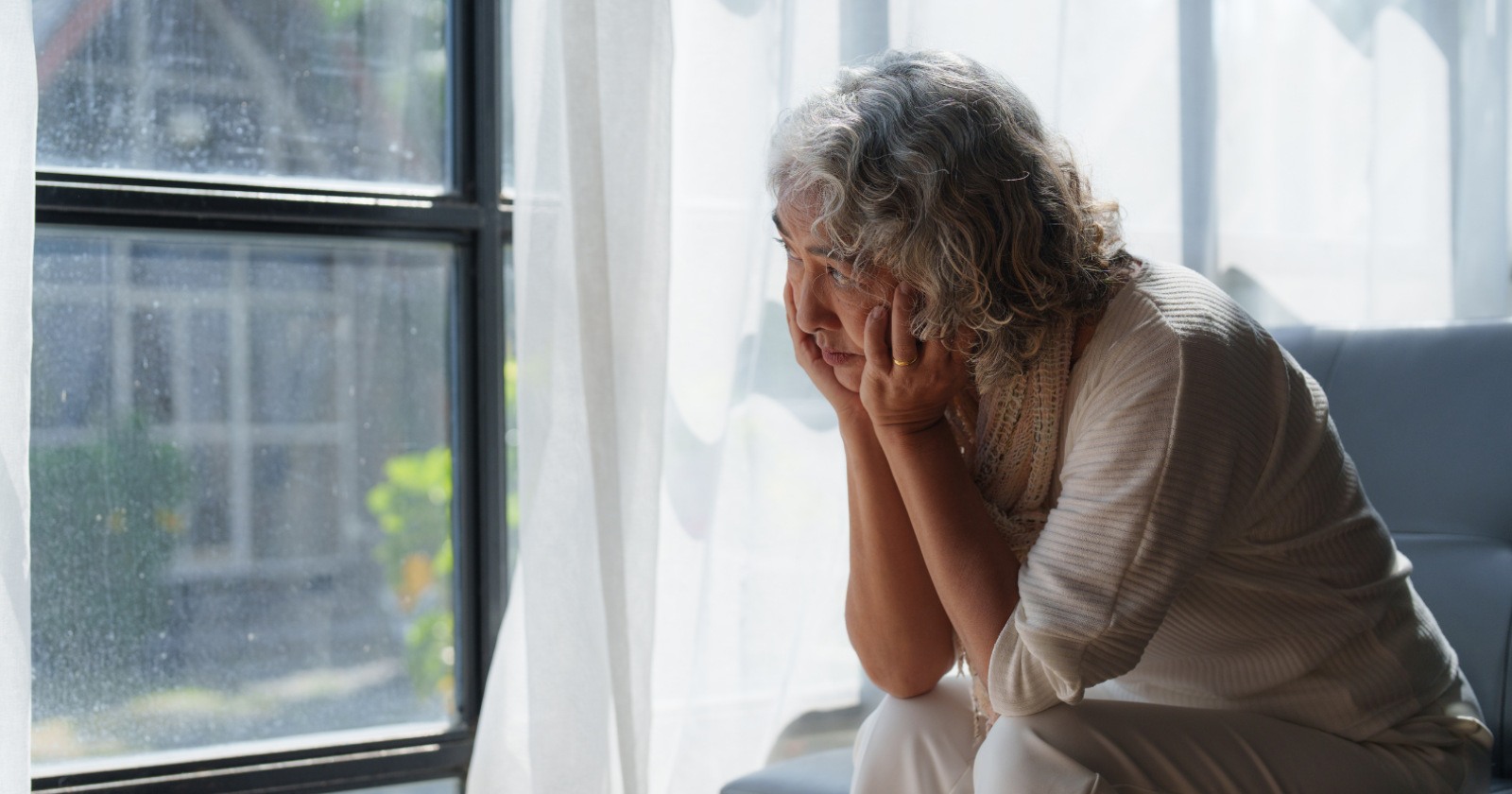
Last week at the grocery store, I watched a woman who must have been around 70 struggle to reach something on a high shelf.
What struck me wasn’t her age but how she moved: Shoulders hunched forward, shuffling steps, wearing what looked like pajamas at 2 PM.
Then another woman, clearly in the same age bracket, strode past in fitted jeans and a simple blazer, grabbed the item for her, and continued on with perfect posture and energy.
The contrast stayed with me during my daily walk. After decades of observing human behavior in boardrooms and negotiation tables, I’ve learned that how we age has less to do with genetics than most people think.
The real separator between women who look vibrant at 70 and those who appear much older comes down to simple daily habits.
What’s particularly interesting is that these habits require no special equipment, expensive treatments, or dramatic lifestyle changes. Yet most women abandon them after 65, right when maintaining them matters most.
The psychology behind this abandonment is complex: Part resignation, part social permission to “let go,” part misunderstanding about what aging actually requires.
After retirement, I’ve had more time to observe and reflect on these patterns. The women who maintain their vitality aren’t doing anything revolutionary. They’re simply holding onto practices that others have quietly given up.
1) They keep their hair styled and maintained
The quickest way to add ten years to your appearance? Let your hair go completely gray without any styling or care. Now, I’m not suggesting women need to color their hair forever. Gray hair can be stunning. The difference lies in whether it’s maintained or abandoned.
Women who look younger than their years treat their hair appointments as non-negotiable. They might embrace their natural color, but they keep it cut, styled, and healthy. They understand that hair frames the face and signals to the world whether you’ve given up or still care.
The women who age less gracefully often adopt what I call the “invisible woman” haircut: Shapeless, unstyled, forgotten. They stop seeing their hairdresser regularly. They figure nobody’s looking anyway.
But here’s the truth from someone who spent decades reading rooms and understanding nonverbal communication: People notice. More importantly, you notice, and it affects how you carry yourself.
2) They maintain good posture throughout the day
Poor posture might be the most aging habit I observe in women over 65. The forward head, rounded shoulders, and curved upper back instantly add years and project frailty. Yet maintaining good posture requires no gym membership or special equipment.
During my walks, I consciously check my posture every few blocks. Shoulders back, head aligned, core slightly engaged. It’s become automatic after years of practice. The women who look younger do this constantly.
They sit up straight at restaurants. They stand tall in grocery lines. They’ve made posture a habit, not an occasional effort.
Most women let posture slip after 65 because they think decline is inevitable. They accept the slouch as part of aging. But posture is largely about muscle memory and awareness.
Those who maintain it understand that standing tall isn’t just about appearance; it affects breathing, energy levels, and how others perceive your competence and vitality.
3) They wear properly fitting undergarments
This might seem trivial, but the foundation of looking put-together at any age starts with what nobody sees. Women who maintain their appearance understand that properly fitting bras and undergarments change how clothes drape and how confident you feel.
After 65, many women default to comfort over support, choosing stretched-out bras or shapeless undergarments. They haven’t been professionally fitted in years. They figure their body has changed too much to bother.
But those who look younger know that bodies change, and that’s exactly why regular fittings matter more, not less.
The difference between a woman in properly fitting undergarments and one who isn’t is visible even in casual clothes. It affects posture, silhouette, and that indefinable quality of looking “pulled together” versus disheveled.
4) They keep their teeth white and maintained
Yellowing teeth age a face faster than wrinkles. Yet dental care often becomes an afterthought after 65. Regular cleanings get skipped. Whitening seems pointless. Dental work gets postponed.
The women who maintain their attractiveness prioritize dental health like they did at 40.
They understand that a bright smile changes everything about how your face looks. They invest in regular cleanings, address issues promptly, and yes, they whiten their teeth occasionally.
The psychology here is telling. Women who maintain their teeth are signaling that they still expect to smile, to engage, to be seen. Those who let dental care slide have often already begun the process of social withdrawal that accelerates aging.
5) They moisturize their entire body daily
Dry, flaky skin adds years to anyone’s appearance, but it’s particularly aging after 65 when skin naturally loses moisture. The women who look younger have a simple daily ritual: They moisturize everything, not just their face.
I learned this from observing the women in my life who aged most gracefully. They kept bottles of lotion everywhere. They applied it after every shower. They paid attention to hands, elbows, knees – the areas that show age first when neglected.
Most women abandon full-body moisturizing because it takes time and seems unnecessary. They might maintain a face routine but ignore the rest. Yet skin is our largest organ, and neglected skin looks neglected, regardless of age.
6) They keep their nails groomed
Hands reveal age more honestly than faces, but well-groomed nails can significantly improve their appearance. The women who maintain their attractiveness keep their nails shaped, filed, and either polished or buffed to a healthy shine.
This doesn’t mean elaborate manicures or long nails. Simple, clean, maintained nails signal attention to detail and self-care. Ragged cuticles, uneven lengths, and chipped polish suggest you’ve stopped paying attention.
The abandonment of nail care after 65 often stems from practical concerns: Arthritis makes it harder, vision changes make precision difficult. But those who maintain this habit find ways around these challenges, understanding that groomed hands affect every interaction.
7) They wear shoes that fit properly
Nothing ages a woman’s appearance faster than shuffling in worn-out, ill-fitting shoes. Yet shoe maintenance is often the first thing to go after 65. Women who look younger understand that proper footwear affects everything: Posture, gait, confidence.
They might choose comfort over high heels, but they choose well-made, properly fitted comfortable shoes. They replace worn-out pairs. They understand that how you walk affects how you look, and how you walk depends largely on your footwear.
The psychology of shoe neglect is interesting. It often signals a retreat from public life, an acceptance that your walking days are behind you. Women who maintain attractive footwear are declaring the opposite: They still have places to go.
Closing thoughts
These seven habits aren’t about vanity or pretending to be younger. They’re about maintaining the basic self-care practices that signal engagement with life.
The women who skip them aren’t lazy or careless; they’ve often internalized messages about aging that give them permission to stop trying.
But here’s what my years of observing human behavior have taught me: How we present ourselves to the world affects how the world responds to us, which in turn affects how we feel about ourselves. It’s a cycle that either elevates or diminishes us.
The encouraging news? None of these habits require significant investment or dramatic change. Pick one that you’ve let slide. Schedule that hair appointment. Buy a good moisturizer. Get your nails done. Small actions compound into significant changes in how you look and feel.
Remember, staying attractive after 65 isn’t about looking 45. It’s about being the best version of yourself at your current age. These simple habits are the difference between aging with vitality and simply getting old.
