
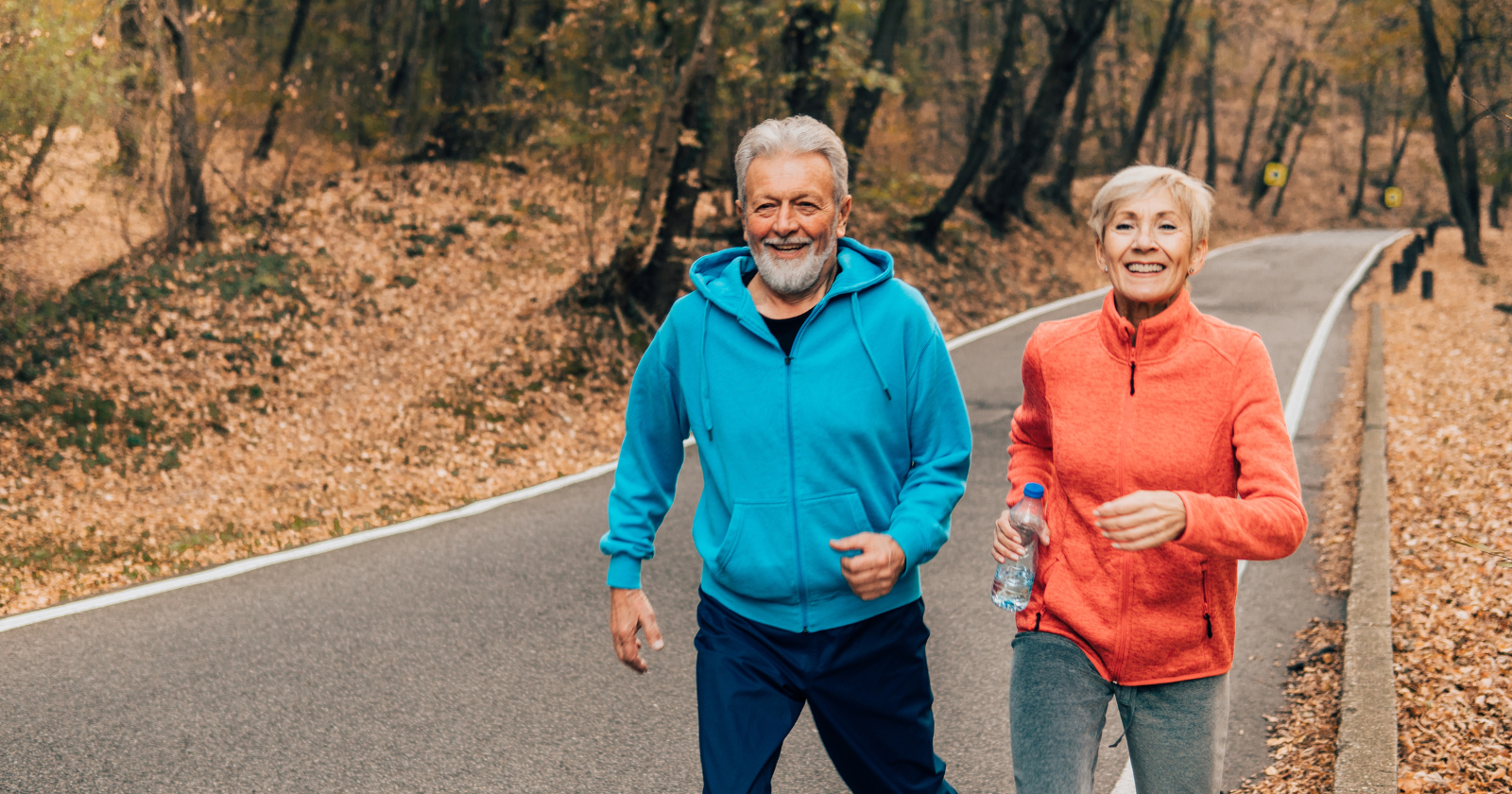
When most of us picture longevity, we picture the big interventions. The strict diet. The supplements. The expensive scans. The two-hour daily workout.
The research keeps quietly pointing in another direction.
The strongest predictors of how long, and how well, someone in their 70s will live often turn out to be small, almost embarrassingly mundane things. The kind of tasks you’d never put on a wellness plan. The kind of moments that disappear into the day. The kind of behaviours your grandparents would not have called health, just life.
Here are nine of them, anchored in the actual studies, that quietly do more for a 70-year-old’s lifespan and daily quality of life than almost anything sold as a longevity product.
1. Standing on one leg for 10 seconds
This one sounds like a party trick. It isn’t. A 2022 study published in the British Journal of Sports Medicine and summarised by Harvard Health followed 1,700 people aged 51 to 75 over seven years. The participants who couldn’t stand on one leg for 10 seconds had nearly twice the risk of dying during the follow-up period, even after accounting for age, weight, and existing conditions.
Balance is a quiet integrator of strength, neurological health, and proprioception. When it goes, a lot is going. People who casually keep their balance, while putting on socks, climbing onto a step, reaching for something, are doing more for their longevity than they realise.
2. Walking at a brisk pace, not just walking
A landmark pooled analysis of nine cohort studies, published in JAMA in 2011 by Studenski and colleagues, found that gait speed in adults over 65 was strongly associated with survival. A walking speed of about 0.8 metres per second tracked closely with median life expectancy for someone’s age and sex. Faster walkers consistently lived longer.
This isn’t an argument for power-walking everywhere. It’s an argument for not letting your everyday pace collapse. The 70-year-old who still strides to the corner shop is not the same biological organism as the 70-year-old who shuffles.
3. Squeezing tightly
Grip strength is one of the most studied and most reliable predictors of mortality in older adults. A PMC review of the literature summarised meta-analyses showing that low grip strength is consistently linked with higher all-cause mortality, cardiovascular events, and disability.
You don’t need a dynamometer. The everyday version is opening jars without help, carrying two bags of groceries up a flight of stairs, wringing out a wet towel. The 70-year-old who is still doing these things without thinking is signalling something the research finds difficult to overstate.
4. Climbing stairs without stopping
Stair-climbing is one of the few daily activities that simultaneously taxes cardiovascular capacity, leg strength, and balance. It’s also a useful diagnostic. People who can climb four flights at a steady pace, without leaning on the rail or pausing for breath, tend to have meaningfully better health outcomes than people who can’t.
You don’t have to seek out stairs as exercise. You just have to keep using them when they appear. Lifts are convenient. They’re also a small daily downgrade of capacity that, repeated over a decade, becomes a large one.
5. Getting up from the floor
The Brazilian “sit-to-rise” test, developed by sports medicine researcher Claudio Gil Araújo (the same researcher behind the one-leg study), asks people to lower themselves to the floor and stand back up using as little support as possible. The number of supports used, hand, knee, forearm, correlates with mortality risk over the following years.
For most 70-year-olds, the relevant version isn’t a test. It’s whether they can still get down to play with a grandchild, retrieve something from a low cupboard, or sit on the grass and stand again. The day this becomes hard is the day a slow narrowing begins. Practising it keeps the door open.
6. Cooking your own dinner
This sounds like a lifestyle preference. The data treats it as a longevity input. Adults who prepare more meals at home consistently show better diet quality, lower rates of obesity and diabetes, and stronger long-term health outcomes than those who rely on takeaways or processed meals.
Cooking is also a quiet form of cognitive and physical engagement: planning, standing, chopping, lifting, sequencing. The 70-year-old who still cooks for themselves three or four times a week is doing strength work, balance work, brain work, and nutrition work in a single uncelebrated hour.
7. Reaching out to one person
The 80-plus-year Harvard Study of Adult Development, one of the longest-running studies of human life ever conducted, kept arriving at the same finding across decades. The single strongest predictor of long-term happiness and physical health in older age wasn’t wealth, fame, or even diet. It was the quality of close relationships.
For a 70-year-old, the daily task version of this is small. A phone call. A text. A short walk with a neighbour. A handwritten note. Loneliness, by contrast, has been associated in CDC summaries of the evidence with risks of premature death comparable to smoking. Reaching out to one person is not a social nicety. It’s a longevity intervention.
8. Brushing and flossing properly
Oral health is one of the most underestimated longevity factors in older adults. Gum disease has been linked in multiple cohort studies to increased risk of cardiovascular disease, cognitive decline, and overall mortality. The mechanism is partly inflammatory. Chronic low-level infection in the mouth doesn’t stay in the mouth.
Two minutes twice a day, plus flossing, is not glamorous. But the 70-year-old who keeps their teeth and gums in good order is, on the actual numbers, doing more for their long-term health than most fashionable supplements do.
9. Getting outside in the morning
Stepping outside within an hour of waking, even just into a garden or onto a balcony, exposes the eyes to natural light at the moment it most strongly anchors the circadian rhythm. The cascade is unglamorous and significant. Better sleep that night. More stable mood the next day. Better metabolic regulation over time. Lower long-term inflammation.
For an older adult, this single habit, combined with a short walk, addresses sleep, mood, vitamin D, balance, and cardiovascular health, all before most people have finished their first coffee.
The pattern underneath the list
If you read the longevity research for long enough, you notice that almost nothing on the genuinely effective list is dramatic. The interventions that show up again and again are small, daily, and repeatable.
At 70, none of these tasks look like much. That is exactly why they matter. The years that follow are largely built out of them.
Sources
- Araújo, C. G., et al. (2022). Successful 10-second one-legged stance performance predicts survival in middle-aged and older individuals. British Journal of Sports Medicine. Summary via Harvard Health.
- Studenski, S., et al. (2011). Gait Speed and Survival in Older Adults. JAMA, 305(1), 50-58.
- Bohannon, R. W., et al. Grip Strength: An Indispensable Biomarker For Older Adults. PMC, National Library of Medicine.
- Centers for Disease Control and Prevention. Risk Factors for Loneliness and Social Isolation.
- Harvard Study of Adult Development, ongoing research; summarised across multiple Harvard publications.
- Java Application Development: Your Path to Success in the Competitive Digital Landscape
- Best Low-Investment Business Ideas a Start Up Has to Implement
- 7 Strategies For Successful Small Business Marketing From Julian Gnecco-Malagon
- How Shiva Ramnarine Exposed the Billion-Dollar “Contract Mafia” Drain
- Why Every HR Team Needs a Reimbursement Enforcement Strategy
- Is Hiring a Motorcycle Accident Lawyer Worth It
